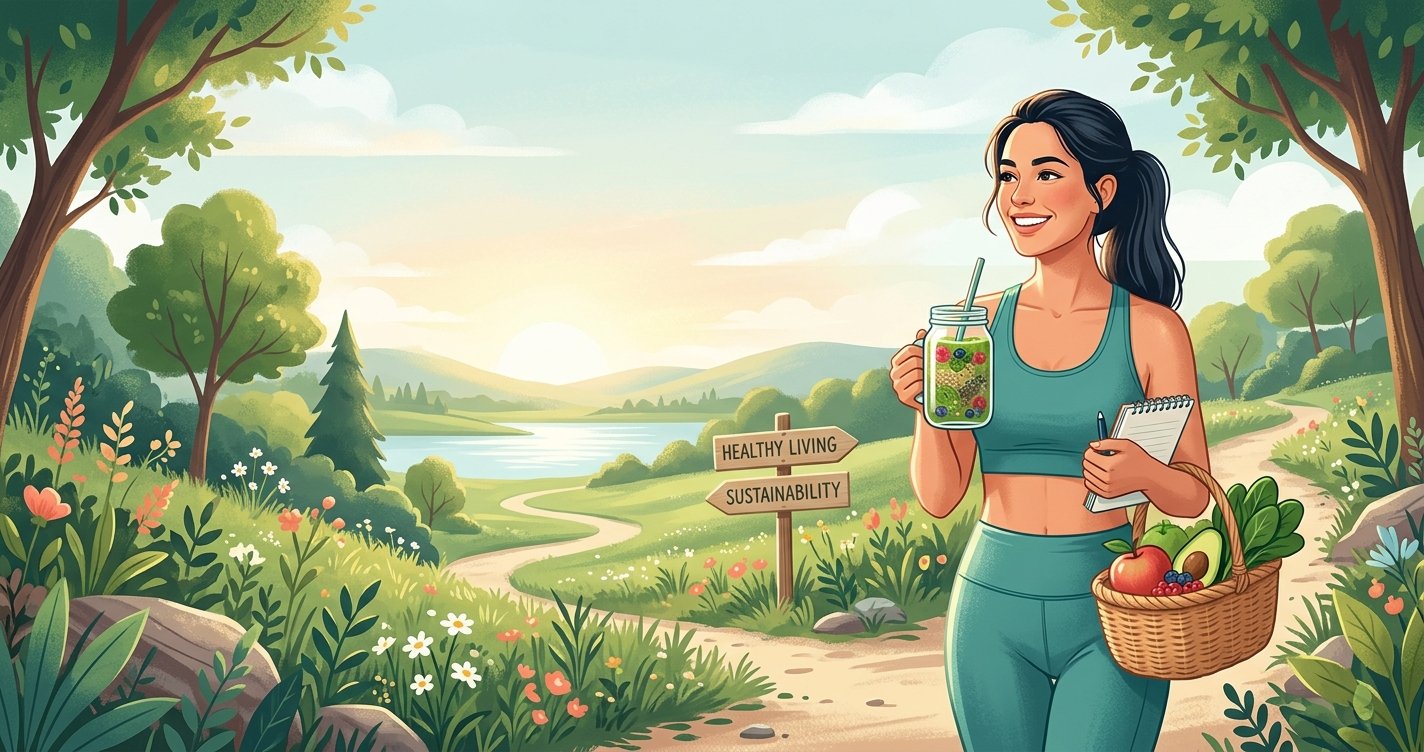
Are you tired of the endless cycle of crash diets, rapid weight loss, and frustrating rebounds? You’re not alone. The journey to fat loss is often painted as a quick fix, a sprint to a magic number on the scale. But the truth is, sustainable fat loss isn't about deprivation or extreme measures; it's about cultivating a healthier lifestyle that you can genuinely maintain for the long haul. This isn't just about looking good; it's about feeling good, having more energy, and improving your overall health. Let's ditch the diet mentality and explore an evidence-based, encouraging path to lasting results.
Why Quick Fixes Fail: Understanding the Cycle
The allure of rapid results is powerful. Promises of losing 10 pounds in a week or transforming your body in 30 days are everywhere. While these aggressive approaches might deliver initial weight loss (often water weight and some muscle), they rarely lead to sustainable fat loss. Here’s why: this excellent wellness product
The Allure of Rapid Results
Fast weight loss schemes often involve severe calorie restriction or cutting out entire food groups. While your body will shed weight quickly in response to such drastic changes, this isn't usually a healthy or sustainable way to lose fat. Your body is an incredible machine, designed for survival, and it doesn't appreciate being starved.
The Metabolic Rebound
When you drastically cut calories, your metabolism slows down as your body tries to conserve energy. This is a natural adaptation. Once you inevitably return to a more normal eating pattern, your now slower metabolism struggles to cope, making it easier to regain the lost weight, and often more. This is the infamous 'yo-yo dieting' effect.
The Psychological Toll
Extreme diets are mentally and emotionally exhausting. They can lead to feelings of deprivation, guilt, and a strained relationship with food. This psychological burden often results in burnout, leading to giving up and feeling worse than when you started.
The Pillars of Sustainable Fat Loss
True, lasting fat loss isn't a single solution; it's a holistic approach built on several interconnected pillars. When you focus on these areas, you're not just losing weight; you're building a healthier, more resilient you.
Pillar 1: Smart Nutrition – Fueling Your Body, Not Depriving It
Nutrition is arguably the most critical component of fat loss. But smart nutrition isn't about eating less; it's about eating better and smarter.
Calorie Awareness, Not Obsession
At its core, fat loss requires consuming slightly fewer calories than you burn (a caloric deficit). However, this doesn't mean meticulously counting every single calorie forever. It means understanding portion sizes and being aware of the energy density of different foods. Focus on creating a modest, sustainable deficit of 300-500 calories per day, which allows for consistent, healthy progress without triggering extreme metabolic slowdown.
Prioritize Protein
Protein is your secret weapon for fat loss. It's highly satiating, meaning it keeps you feeling fuller for longer, reducing cravings. It also has a higher thermic effect (meaning your body burns more calories digesting it) and is crucial for preserving muscle mass during weight loss. Aim for a good source of lean protein at every meal (chicken, fish, eggs, tofu, lentils, Greek yogurt).
Embrace Whole Foods
Swap highly processed foods, sugary drinks, and refined grains for nutrient-dense whole foods. Think fruits, vegetables, lean proteins, healthy fats, and complex carbohydrates like oats, quinoa, and brown rice. These foods provide essential vitamins, minerals, and fiber, keeping you nourished and satisfied.
Hydration is Key
Don't underestimate the power of water! Staying well-hydrated supports metabolism, helps with satiety, and can even reduce cravings, as sometimes we mistake thirst for hunger. Aim for 8-10 glasses of water daily.
Mindful Eating
Slow down, savor your food, and pay attention to your body's hunger and fullness cues. Eating mindfully can prevent overeating and help you appreciate your meals more.
- Practical Tip: Try meal prepping healthy meals and snacks for the week to avoid last-minute unhealthy choices. Reduce sugary drinks and replace them with water or unsweetened tea.
Pillar 2: Effective Movement – Beyond Just Burning Calories
Exercise isn't just about burning calories; it's about building a stronger, more capable body, boosting your metabolism, and improving your mood.
Strength Training
Building muscle is incredibly beneficial for fat loss. Muscle tissue is more metabolically active than fat tissue, meaning it burns more calories at rest. Incorporate 2-3 strength training sessions per week, focusing on compound movements (squats, deadlifts, presses) that work multiple muscle groups.
Cardiovascular Exercise
While often overemphasized for fat loss, cardio plays a vital role in heart health, endurance, and can contribute to your caloric deficit. Find activities you enjoy – brisk walking, jogging, cycling, swimming, dancing. Aim for at least 150 minutes of moderate-intensity cardio or 75 minutes of vigorous-intensity cardio per week.
NEAT (Non-Exercise Activity Thermogenesis)
This refers to the calories you burn through everyday activities outside of structured exercise – walking, fidgeting, taking the stairs, cleaning. Increasing your NEAT can significantly boost your daily calorie expenditure. Small changes add up!
- Practical Tip: Find an exercise buddy or join a class to stay motivated. Take short walking breaks throughout your workday.
Pillar 3: The Unsung Heroes – Sleep, Stress, and Mindset
These often-overlooked factors play a massive role in your body's ability to lose fat and maintain a healthy weight.
The Power of Sleep
Lack of sleep wreaks havoc on your hormones. It increases ghrelin (the hunger hormone) and decreases leptin (the satiety hormone), making you hungrier and less satisfied. It also elevates cortisol, a stress hormone linked to increased belly fat storage. Aim for 7-9 hours of quality sleep per night.
Managing Stress
Chronic stress keeps cortisol levels elevated. This not only promotes fat storage, particularly around the midsection, but also increases cravings for comfort foods. Finding healthy ways to manage stress is crucial for fat loss and overall well-being.
Cultivating a Positive Mindset
Fat loss is a journey, not a race. Embrace patience, self-compassion, and celebrate non-scale victories (more energy, clothes fitting better, improved mood). Focus on progress, not perfection. A positive mindset helps you stay consistent and bounce back from setbacks.
- Practical Tip: Establish a consistent sleep schedule and create a relaxing bedtime routine. Practice stress-reducing activities like meditation, yoga, deep breathing, or spending time in nature.
Consistency and Patience: The True Secret Weapon
There's no magic pill or one-size-fits-all solution for sustainable fat loss. The real 'secret' lies in consistent effort over time and unwavering patience. Progress isn't always linear; there will be plateaus and occasional slips. What matters is your ability to get back on track and continue moving forward.
Focus on building healthy habits one step at a time. Instead of aiming for perfection, strive for consistency. Track your progress not just by the scale, but by how you feel, your energy levels, your strength, and how your clothes fit. These non-scale victories are incredibly motivating and often more indicative of true, lasting change.
Conclusion
Sustainable fat loss is a journey towards a healthier, happier you. It’s about ditching the restrictive diet mentality and embracing a lifestyle that nourishes your body, challenges it with movement, and supports it with adequate rest and stress management. It takes time, effort, and commitment, but the rewards – increased energy, improved health, and a positive relationship with your body – are immeasurable. Start today by making small, consistent changes, and watch as you transform not just your body, but your entire life.