Tired of crash diets and the frustrating yo-yo effect? You're not alone. Many of us have fallen into the trap of quick fixes, only to find ourselves back where we started, often feeling worse. But what if there was a way to achieve lasting fat loss without feeling deprived, exhausted, or constantly battling your own body? There is, and it all boils down to understanding and implementing a sustainable calorie deficit.
This isn't about starvation or extreme measures. It's about a balanced, evidence-based approach that respects your body, fuels your life, and helps you shed fat for good. Get ready to ditch the diet dogma and embrace a healthier, happier you! this excellent wellness product
What is a Calorie Deficit, Really? (And Why It Matters)
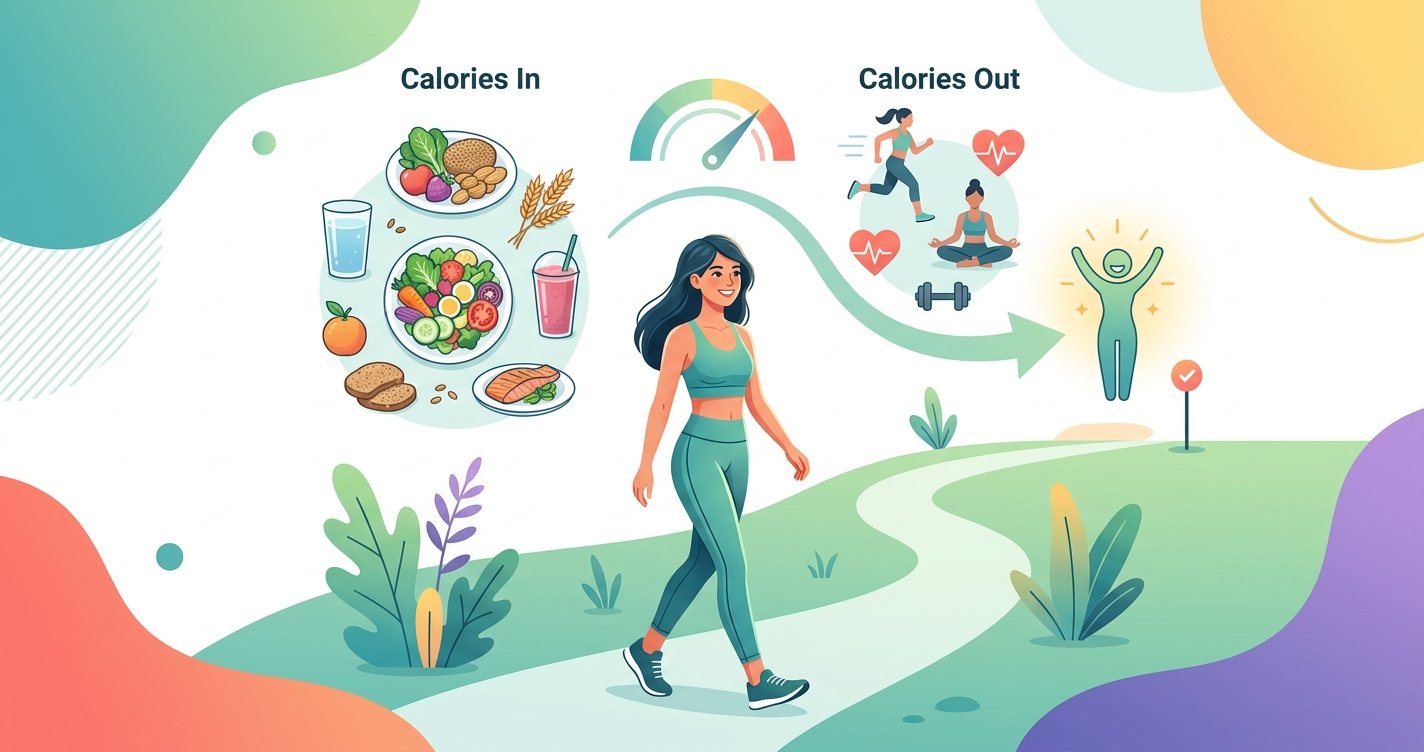
At its core, fat loss is a simple equation: energy in vs. energy out. Your body needs a certain amount of energy (calories) each day to function – to breathe, think, move, and digest. This is your Total Daily Energy Expenditure (TDEE). A calorie deficit simply means you're consuming slightly fewer calories than your body uses over time. When this happens consistently, your body turns to its stored energy reserves – primarily body fat – to make up the difference. That's how fat loss occurs.
Think of it like balancing a bank account. If you spend more than you earn, your savings decrease. In the body's case, if you 'spend' more energy (calories) than you 'deposit' (eat), your fat stores decrease. It's a fundamental principle of human physiology, and understanding it is the first step towards taking control of your fat loss journey.
The Pitfalls of Extreme Deficits: Why Less Isn't Always More
While a calorie deficit is essential, bigger isn't always better. Many commercial diets promise rapid weight loss through drastic calorie restriction. While you might see initial results, these extreme deficits often come with a hefty price tag:
- Muscle Loss: Your body might start breaking down precious muscle tissue for energy, which is counterproductive as muscle burns more calories at rest than fat.
- Slower Metabolism: Your body is smart. When faced with severe restriction, it adapts by slowing down your metabolism to conserve energy, making future fat loss even harder.
- Nutrient Deficiencies: Cutting too many calories can make it difficult to get all the essential vitamins, minerals, and macronutrients your body needs, leading to fatigue, poor immunity, and other health issues.
- Intense Hunger & Cravings: Extreme deficits are unsustainable. Your body will fight back with relentless hunger and cravings, often leading to binge eating and the dreaded 'yo-yo' effect.
- Mental Burnout: Constant deprivation takes a toll on your mental health, leading to irritability, anxiety, and a negative relationship with food.
The goal isn't to shock your body into submission; it's to gently guide it towards a healthier state.
Finding Your Sweet Spot: A Sustainable Deficit for Lasting Results
So, what's the 'sweet spot' for a sustainable calorie deficit? For most people, a deficit of 300-500 calories per day below your TDEE is ideal. This allows for steady fat loss (typically 1-2 pounds per week) without triggering the negative adaptations mentioned above. Here's how to approach it:
- Estimate Your TDEE: You can use online calculators (search for 'TDEE calculator') that factor in your age, gender, weight, height, and activity level. Remember, these are estimates, but a good starting point.
- Subtract 300-500 Calories: This is your target daily calorie intake for fat loss.
- Track, Learn, Adjust: For a few days, track your food intake using an app or food diary. This isn't about perfection, but about awareness. See where your calories are coming from and identify areas for small, manageable reductions. Don't be afraid to adjust if you're not seeing results or feeling too hungry.
- Listen to Your Body: Some days you might be hungrier than others. It's okay to have slight fluctuations. The key is the overall trend over weeks and months.
Remember, sustainability is key. If you're constantly battling hunger or feeling deprived, your deficit might be too aggressive. A gentle, consistent deficit is far more effective than a steep one that you can't maintain.
Fueling Your Deficit: Smart Food Choices for Satiety and Health
A calorie isn't just a calorie when it comes to fat loss and overall health. When you're in a deficit, making smart food choices becomes even more crucial. Focus on nutrient-dense foods that keep you feeling full and energized:
- Prioritize Protein: Protein is your best friend for fat loss. It's incredibly satiating, helps preserve muscle mass during a deficit, and has a higher thermic effect (meaning your body burns more calories digesting it). Aim for a protein source with every meal: lean meats, poultry, fish, eggs, dairy, legumes, tofu.
- Embrace Fiber: Found in fruits, vegetables, whole grains, and legumes, fiber adds bulk to your meals, slowing digestion and promoting fullness. Load up on colorful veggies and fruits!
- Don't Fear Healthy Fats: While calorie-dense, healthy fats (avocado, nuts, seeds, olive oil) are vital for hormone production, nutrient absorption, and satiety. Enjoy them in moderation.
- Limit Ultra-Processed Foods: These are often high in calories, sugar, unhealthy fats, and low in nutrients, making it easy to overeat without feeling satisfied. Focus on whole, unprocessed foods as much as possible.
- Hydrate, Hydrate, Hydrate: Water is essential for every bodily function and can sometimes be mistaken for hunger. Drink plenty throughout the day.
Think of it as 'eating big' on fewer calories – filling your plate with nutrient-rich foods that provide volume and satisfaction.
Beyond the Plate: Lifestyle Pillars for Optimal Fat Loss
While nutrition is paramount, sustainable fat loss is a holistic endeavor. Your lifestyle plays a massive role:
- Strength Training is Non-Negotiable: Lifting weights (or doing bodyweight exercises) is crucial for building and preserving muscle mass. More muscle means a higher resting metabolism, making fat loss easier in the long run. Aim for 2-3 sessions per week.
- Move Your Body Regularly: Incorporate cardiovascular exercise (walking, jogging, cycling, swimming) for heart health and to burn additional calories, contributing to your deficit. Even daily walks add up!
- Prioritize Quality Sleep: Lack of sleep disrupts hunger hormones (ghrelin and leptin), leading to increased cravings and a harder time adhering to your deficit. Aim for 7-9 hours of quality sleep per night.
- Manage Stress: Chronic stress elevates cortisol levels, which can promote fat storage, especially around the belly. Find healthy ways to manage stress, whether it's meditation, yoga, hobbies, or spending time in nature.
These lifestyle factors don't just support fat loss; they dramatically improve your overall health and well-being.
The Mindset Shift: Patience, Consistency, and Self-Compassion
Sustainable fat loss isn't a race; it's a marathon. There will be ups and downs, plateaus, and moments of frustration. This is normal. The key is consistency over perfection.
- Patience is a Virtue: True fat loss takes time. Celebrate small victories and focus on the progress you're making, not just the number on the scale.
- Embrace Non-Linear Progress: Your weight might fluctuate daily due to water retention, hormones, or food intake. Look at weekly or monthly averages rather than daily readings.
- Learn from Setbacks: A 'bad' meal or day doesn't derail your entire journey. Acknowledge it, learn from it, and get back on track with your next meal or workout. Self-compassion is crucial.
- Focus on Habits, Not Just Outcomes: Concentrate on building healthy, sustainable habits – cooking at home, moving more, prioritizing sleep – and the fat loss will naturally follow.
Your journey is about creating a healthier, happier lifestyle, not just a smaller number on the scale.
Your Path to Lasting Fat Loss Starts Now
Achieving sustainable fat loss doesn't require extreme deprivation or complicated diets. It requires a mindful, consistent approach to creating a healthy calorie deficit, fueled by nutrient-rich foods and supported by a balanced lifestyle. By prioritizing protein, fiber, healthy fats, moving your body, getting enough sleep, and managing stress, you're not just losing fat – you're building a foundation for lifelong health and well-being.
Start small, be consistent, and trust the process. Your body will thank you, and you'll discover a sustainable path to feeling your best, inside and out. You've got this!