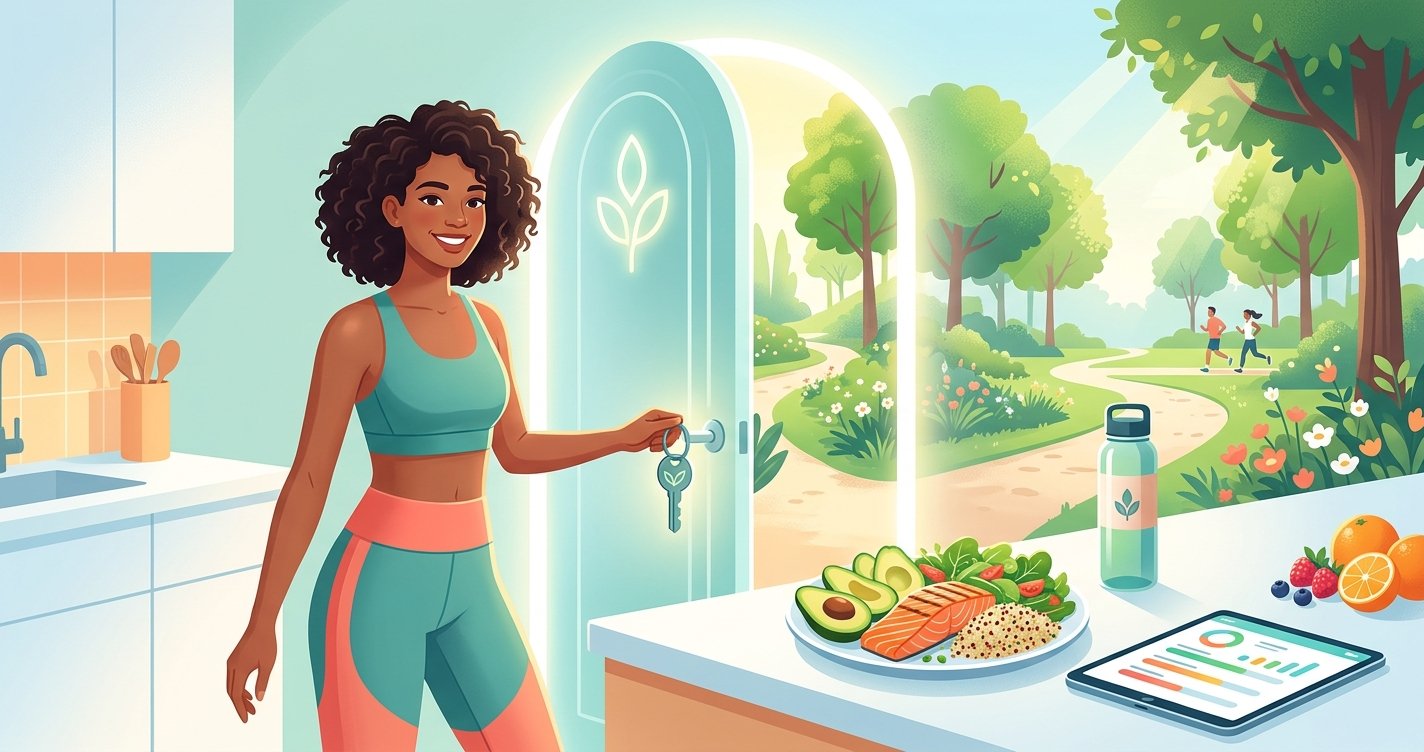
Unlocking Sustainable Fat Loss: Your Friendly Guide to a Healthy Calorie Deficit
Feeling overwhelmed by the endless stream of quick-fix diets and extreme workout plans promising rapid fat loss? You're not alone. Many of us have been down that road, only to find ourselves back where we started, feeling frustrated and defeated. But what if there was a simpler, more sustainable path to achieving your fat loss goals – one that prioritizes your health, energy, and long-term success?
Welcome to the world of sustainable fat loss, where the focus isn't on deprivation, but on smart, consistent choices that create a healthy calorie deficit. This isn't about magical pills or grueling routines; it's about understanding your body's energy needs and making incremental adjustments that lead to lasting results. In this guide, we'll explore the evidence-based strategies for creating a healthy calorie deficit that empowers you to shed fat, feel fantastic, and maintain your progress without feeling like you're constantly battling hunger or cravings. Let's ditch the quick fixes and embrace a journey that's truly sustainable! this excellent wellness product
The Core Principle: Understanding the Calorie Deficit
At its heart, fat loss boils down to one fundamental principle: consuming fewer calories than your body expends. This difference creates a “calorie deficit,” forcing your body to tap into its stored fat reserves for energy. Think of your body like a car and calories like fuel. If you put less fuel in than you burn driving, your car eventually uses up what's in the tank. For your body, that 'tank' is your stored body fat.
While the concept is simple, the execution can feel complex. Many people make the mistake of creating an extreme deficit, which can lead to muscle loss, nutrient deficiencies, plummeting energy levels, and an unsustainable approach that's destined to fail. Our goal isn't just to lose weight, but to lose fat while preserving precious muscle mass and supporting overall health.
How Big Should Your Deficit Be? The Sweet Spot for Sustainability
For sustainable and healthy fat loss, a moderate calorie deficit is key. Aim for a deficit of about 300-500 calories per day below your maintenance level. This typically translates to a fat loss of 1-2 pounds per week, which is considered safe and effective by health professionals. A deficit of this size allows your body to adapt gradually, minimizes muscle loss, and keeps hunger at bay, making adherence much easier in the long run.
Calculating your exact maintenance calories can be done using online calculators that consider your age, sex, weight, height, and activity level. Remember, these are estimates, and listening to your body's signals will always be your best guide. Consistency over perfection is the mantra here.
Building Your Sustainable Plate: Nutrition Strategies for Success
Achieving a calorie deficit doesn't mean eating tiny portions of bland food. It's about making smart, strategic food choices that keep you feeling full, nourished, and energized. Here’s how to build a plate that supports sustainable fat loss:
Protein Power: Your Fat Loss Ally
If there's one macronutrient to prioritize for fat loss, it's protein. Protein is incredibly satiating, meaning it helps you feel fuller for longer, reducing the urge to snack unnecessarily. It also has a higher thermic effect of food (TEF) compared to carbs and fats, meaning your body burns more calories digesting it. Crucially, adequate protein intake is vital for preserving muscle mass during a calorie deficit, which is essential for maintaining a healthy metabolism.
- Sources: Lean meats (chicken breast, turkey, lean beef), fish (salmon, cod, tuna), eggs, dairy (Greek yogurt, cottage cheese), legumes (lentils, beans), tofu, tempeh, protein powder.
- Aim for: A good source of protein with every meal and snack.
Fiber-Rich Foods: The Satiety Secret
Fiber is another superstar for fat loss. Found abundantly in fruits, vegetables, and whole grains, fiber adds bulk to your meals without adding many calories. It slows down digestion, helping to stabilize blood sugar levels and prolong feelings of fullness. Plus, a diet rich in fiber supports gut health, which is increasingly linked to metabolic well-being.
- Sources: Berries, apples, leafy greens, broccoli, carrots, oats, quinoa, whole-wheat bread, beans, nuts, seeds.
- Aim for: Filling half your plate with non-starchy vegetables at lunch and dinner, and incorporating fruits and whole grains throughout the day.
Healthy Fats: Don't Fear Them!
While fats are calorie-dense, healthy fats are essential for hormone production, nutrient absorption, and overall health. They also contribute to satiety. The key is moderation and choosing the right types of fats.
- Sources: Avocados, nuts (almonds, walnuts), seeds (chia, flax, hemp), olive oil, fatty fish.
- Aim for: Small portions of healthy fats with meals to enhance flavor and satisfaction.
Smart Carbohydrates: Fueling Your Body Wisely
Carbohydrates are your body's primary energy source. Instead of cutting them out entirely (which can lead to fatigue and irritability), focus on complex carbohydrates that provide sustained energy and fiber, rather than refined sugars and processed grains that offer little nutritional value and can spike blood sugar.
- Sources: Whole grains (oats, brown rice, quinoa), sweet potatoes, fruits, vegetables.
- Limit: Sugary drinks, white bread, pastries, highly processed snacks.
Beyond the Plate: Lifestyle Habits for Long-Term Fat Loss
Sustainable fat loss isn't just about what you eat; it's about how you live. Integrating healthy lifestyle habits can significantly impact your progress and overall well-being.
Hydration and Sleep: The Unsung Heroes
Often overlooked, adequate hydration and quality sleep play crucial roles in fat loss. Being well-hydrated can help with satiety and optimize metabolic function. Aim for at least 8 glasses of water a day. Sleep deprivation, on the other hand, can disrupt hunger-regulating hormones (ghrelin and leptin), leading to increased cravings and poor food choices. Prioritize 7-9 hours of quality sleep each night.
Mindful Eating: Connecting with Your Body
Mindful eating is about paying attention to your food, recognizing hunger and fullness cues, and savoring your meals. This practice can prevent overeating and help you develop a healthier relationship with food. Put away distractions, eat slowly, and truly taste your food.
- Practice: Eating slowly, chewing thoroughly, putting your fork down between bites, listening to your body's hunger and fullness signals.
Movement Matters: Integrating Activity
While nutrition is paramount for creating a calorie deficit, physical activity plays a vital supporting role. Exercise helps burn additional calories, build and preserve muscle mass, improve cardiovascular health, and boost mood. You don't need to become a marathon runner overnight; simply moving more throughout your day makes a difference.
- Aim for: A mix of resistance training (2-3 times per week to preserve muscle) and cardiovascular exercise (e.g., walking, jogging, cycling) for overall health and calorie expenditure.
Navigating Challenges and Staying Motivated
The journey to sustainable fat loss isn't always linear. There will be good days and challenging days, but understanding how to navigate obstacles is key to long-term success.
Dealing with Plateaus: When Progress Stalls
At some point, your fat loss might slow down or stop entirely – this is known as a plateau. Your body is incredibly adaptive, and as you lose weight, your maintenance calorie needs decrease. Don't panic! This is a normal part of the process. When a plateau hits, consider these adjustments:
- Re-evaluate your calorie intake: You might need to slightly reduce your calories further (e.g., by another 100-200 calories).
- Increase activity: Add a bit more intensity or duration to your workouts, or simply increase your daily steps.
- Track more meticulously: Ensure you haven't become complacent with portion sizes or forgotten hidden calories.
The Power of Patience and Consistency
Sustainable fat loss is a marathon, not a sprint. Focus on consistency over perfection. One "off" meal or day won't derail your progress, just as one perfect day won't solve everything. The cumulative effect of consistent, healthy choices over time is what truly delivers lasting results. Celebrate small victories, learn from setbacks, and remember your 'why'.
Your Sustainable Fat Loss Journey Starts Now!
Embracing a healthy calorie deficit through smart nutrition and positive lifestyle changes is the most effective and sustainable way to achieve your fat loss goals. By prioritizing protein and fiber, choosing nutrient-dense foods, staying hydrated, getting enough sleep, moving your body, and practicing mindful eating, you're not just losing weight – you're building a healthier, stronger, and more vibrant you.
Remember, this is your journey. Be kind to yourself, celebrate your progress, and trust the process. You have the power to transform your health and achieve the sustainable fat loss you desire. Start small, stay consistent, and enjoy the incredible benefits of a balanced and healthy lifestyle!