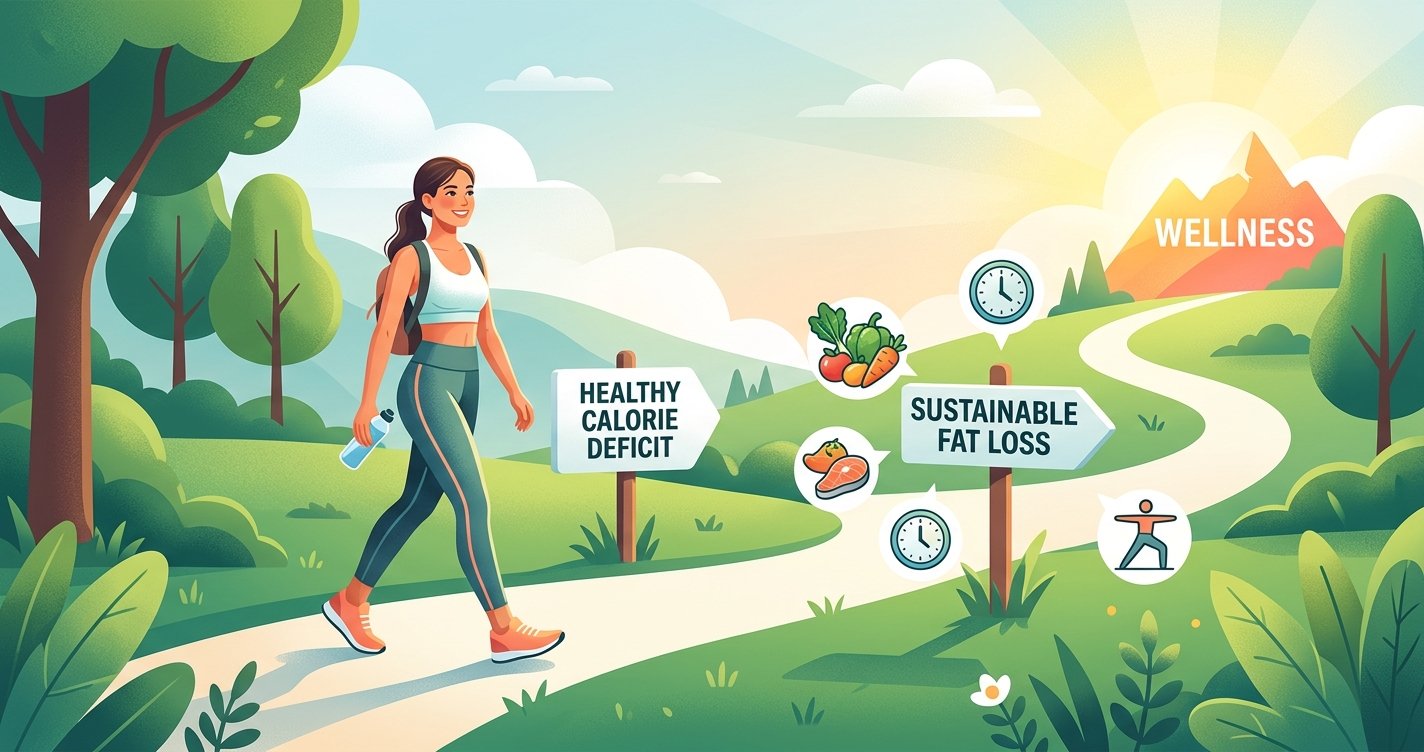
Sustainable Fat Loss: Your Ultimate Guide to a Healthy Calorie Deficit
Embarking on a fat loss journey can feel overwhelming, with countless diets and conflicting advice flooding our feeds. But what if we told you there's a foundational principle that truly underpins all successful, sustainable fat loss, and it's simpler than you think? It's called the calorie deficit. And no, it doesn't mean starving yourself or living on bland chicken and broccoli!
This guide is designed to cut through the noise, offering you an evidence-based, friendly, and encouraging roadmap to understanding and implementing a healthy calorie deficit that leads to lasting results. Forget quick fixes and unsustainable extremes; we're talking about building habits that support your body, mind, and long-term well-being. Let's dive into how you can achieve sustainable fat loss, feel great, and never look back. this excellent wellness product
Understanding the Calorie Deficit: The Golden Rule of Fat Loss
At its core, fat loss is a matter of energy balance. To lose fat, your body needs to burn more calories than it consumes. This state is known as a calorie deficit. Think of your body as a car: if you put less fuel in than it burns, it starts using its stored fuel (body fat) to keep going.
It sounds simple, right? And it is! The challenge often lies in creating this deficit in a way that is sustainable, doesn't leave you feeling deprived, and provides your body with all the nutrients it needs to thrive. A healthy calorie deficit means reducing your caloric intake just enough to encourage fat loss without compromising your energy levels, metabolism, or muscle mass. It's about smart choices, not severe restrictions.
Calculating Your Starting Point: No Guesswork Needed
Before you can create a deficit, you need to know roughly how many calories your body needs to maintain its current weight. This is your Total Daily Energy Expenditure (TDEE). Your TDEE is influenced by several factors:
- Basal Metabolic Rate (BMR): The calories your body burns at rest to perform basic functions (breathing, circulation, etc.).
- Thermic Effect of Food (TEF): The energy used to digest, absorb, and metabolize food.
- Non-Exercise Activity Thermogenesis (NEAT): Calories burned through daily activities outside of structured exercise (walking, fidgeting, housework).
- Exercise Activity: Calories burned during intentional workouts.
While precise calculation can be complex, several reliable online TDEE calculators can give you a good starting estimate. Simply input your age, sex, weight, height, and activity level. Once you have your estimated TDEE, aim to create a moderate deficit of 300-500 calories per day. This amount is generally considered safe and effective for sustainable fat loss, typically resulting in a loss of 0.5-1 pound of fat per week.
Remember, these are starting points. Your body is unique, and you might need to adjust based on your progress and how you feel.
Fueling Your Body Smartly: Nutrition Strategies for a Happy Deficit
Creating a calorie deficit doesn't mean eating less; it means eating smarter. Focusing on nutrient-dense foods will keep you feeling full, energized, and satisfied, making your deficit much more manageable.
Prioritize Protein: Your Satiety Superpower
Protein is your best friend when it comes to fat loss. It's incredibly satiating, meaning it keeps you feeling fuller for longer, reducing the urge to snack. It also helps preserve lean muscle mass during a calorie deficit, which is crucial because muscle burns more calories at rest than fat does. Aim for a protein source with every meal.
- Good sources: Lean meats (chicken breast, turkey), fish, eggs, dairy (Greek yogurt, cottage cheese), legumes, tofu, protein powder.
Embrace Fiber-Rich Carbs: Sustained Energy & Gut Health
Don't be afraid of carbohydrates! The right carbs provide essential energy and dietary fiber. Fiber adds bulk to your meals, promoting satiety and supporting a healthy digestive system. Opt for complex, whole-food carbohydrates over refined sugars and processed grains.
- Good sources: Whole grains (oats, brown rice, quinoa), fruits, vegetables (especially leafy greens, broccoli, berries), sweet potatoes.
Don't Fear Healthy Fats: Essential & Satisfying
While fats are calorie-dense, healthy fats are vital for hormone production, nutrient absorption, and overall health. They also contribute to satiety. The key is moderation and choosing the right types of fats.
- Good sources: Avocados, nuts, seeds, olive oil, fatty fish (salmon, mackerel).
Hydration is Key: Often Overlooked, Always Important
Drinking enough water is a simple yet powerful tool for fat loss. Sometimes, our bodies confuse thirst with hunger. Staying well-hydrated can help manage appetite, support metabolism, and improve overall energy levels. Aim for at least 8 glasses of water a day, more if you're active.
Beyond the Plate: Lifestyle Factors That Supercharge Your Progress
While nutrition is paramount, sustainable fat loss is a holistic endeavor. Your lifestyle choices play a significant role in how effectively and healthily your body responds to a calorie deficit.
The Power of Movement: Not Just for Burning Calories
Incorporating regular physical activity is incredibly beneficial. It helps burn extra calories, contributing to your deficit. More importantly, strength training helps build and preserve muscle mass, which is crucial for maintaining a healthy metabolism. Cardio (like brisk walking, jogging, cycling) improves cardiovascular health and helps with calorie expenditure. Find activities you enjoy to ensure consistency!
Sleep Smarter, Lose Better: The Rest-Weight Connection
Poor sleep can wreak havoc on your fat loss efforts. Lack of sleep disrupts hormones that regulate hunger (ghrelin) and satiety (leptin), making you feel hungrier and crave unhealthy foods. It also increases cortisol, a stress hormone linked to fat storage. Aim for 7-9 hours of quality sleep per night.
Stress Less, Weigh Less: Managing Cortisol
Chronic stress also elevates cortisol levels, which can promote fat storage, particularly around the midsection. Finding healthy ways to manage stress—whether through meditation, yoga, spending time in nature, or hobbies—is crucial for both your mental well-being and your fat loss journey.
Mindset Matters: Cultivating Patience and Consistency
Fat loss is rarely a linear journey. There will be good days and challenging days. Plateaus are normal. What truly separates those who achieve lasting results from those who don't is their mindset.
- Embrace Consistency Over Perfection: One 'off' meal or day won't derail your progress. Get back on track with the next meal. Consistency over weeks and months is what truly counts.
- Focus on Non-Scale Victories: Don't let the scale be your only measure of success. Notice improved energy, better sleep, clothes fitting differently, increased strength, or a more positive mood. These are equally, if not more, important indicators of progress.
- Cultivate Patience: Sustainable fat loss takes time. Celebrate small victories and trust the process. Your body needs time to adapt and respond.
- Be Kind to Yourself: This is a journey of self-improvement, not self-punishment. Treat your body with respect and listen to its signals.
Your Sustainable Fat Loss Journey Starts Now!
Achieving sustainable fat loss through a healthy calorie deficit is not about deprivation; it's about empowerment. It's about understanding your body's needs, making informed choices, and building a lifestyle that supports your health and happiness for the long term. By prioritizing nutrient-dense foods, staying active, getting enough sleep, managing stress, and cultivating a positive mindset, you're setting yourself up for success that goes far beyond the numbers on the scale.
Remember, this is your unique journey. Be patient with yourself, celebrate every step forward, and enjoy the process of becoming a healthier, happier you. You've got this!