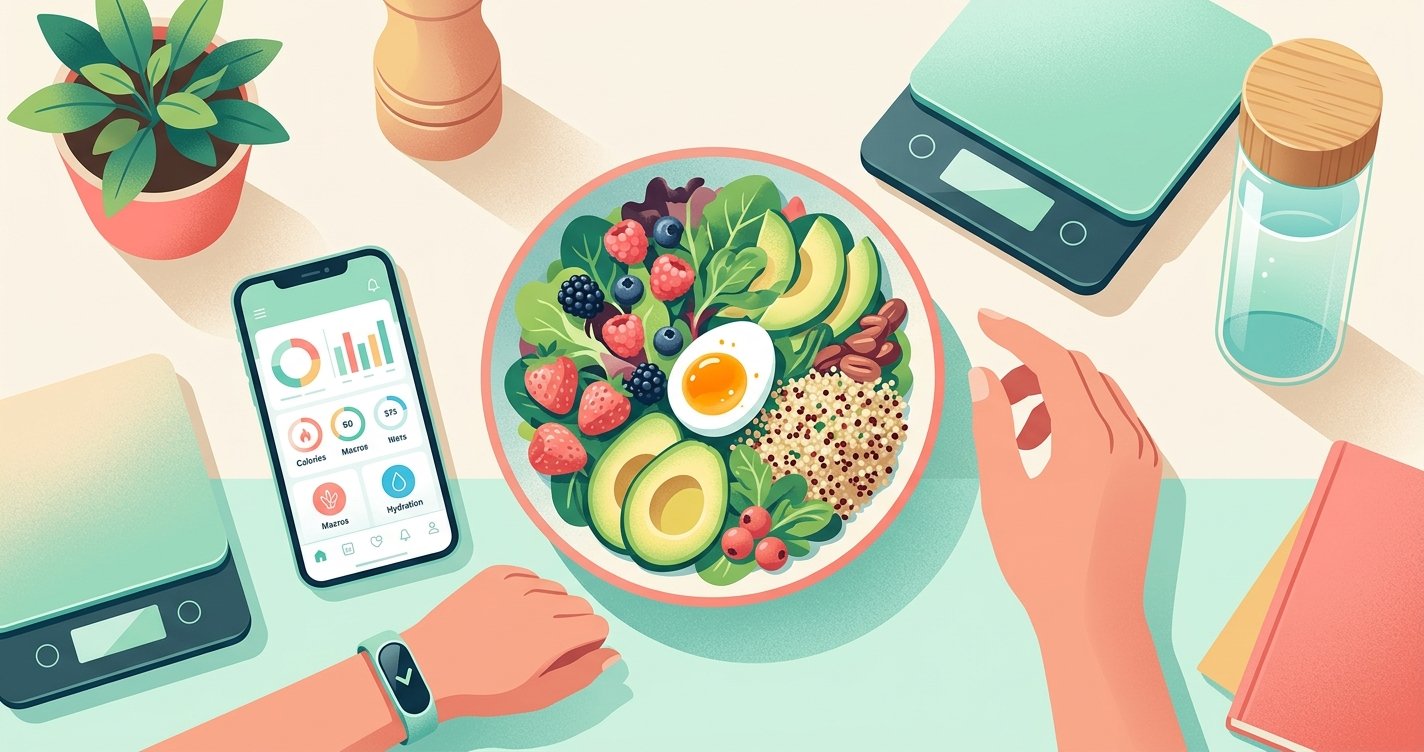
Unlock Sustainable Fat Loss: Your Smart Guide to a Healthy Calorie Deficit
Are you tired of the endless cycle of crash diets and fleeting results? The journey to lasting fat loss can feel overwhelming, with so much conflicting information out there. But what if we told you there’s a foundational principle, backed by science, that doesn’t require extreme deprivation or endless hours at the gym? It’s all about creating a calorie deficit – but doing it the smart, sustainable way.
Forget starvation and endless hunger. This guide will empower you with evidence-based strategies to achieve a healthy calorie deficit, focusing on nutrient-dense foods that fuel your body, satisfy your cravings, and help you shed fat for good. We’re talking about a path to fat loss that leaves you feeling energized, not exhausted, and builds habits that last a lifetime. Let's dive into the secrets of eating smart for sustainable results! this excellent wellness product
What Exactly is a Calorie Deficit? (And Why It's Your Fat Loss Foundation)
At its core, a calorie deficit is simple: you consume fewer calories than your body burns. Think of your body as a car. If you put less fuel in than you use to drive, the car will eventually run out. Similarly, if your body needs 2,000 calories to maintain its current weight (your Total Daily Energy Expenditure, or TDEE), and you consistently consume 1,700 calories, your body will tap into its stored energy reserves – primarily body fat – to make up the difference. This is the fundamental mechanism for fat loss.
Understanding your TDEE is the first step. It includes your Basal Metabolic Rate (BMR – calories burned at rest), plus the energy expended through daily activities, exercise, and even digesting food. While tracking exact numbers can be helpful, the key isn't perfection, but consistent, slight adjustments. A deficit of 300-500 calories per day is often recommended for a healthy, sustainable fat loss rate of 1-2 pounds per week, allowing your body to adapt without feeling deprived.
Ditching Deprivation: How to Create a Calorie Deficit Without Feeling Starved
The biggest fear associated with a calorie deficit is often hunger and deprivation. This is where the 'smart' part comes in. The goal isn't to eat less food, but to eat BETTER food. By focusing on nutrient-dense, high-satiety foods, you can feel full and satisfied on fewer calories. It’s about strategic food choices, not just cutting portions indiscriminately.
- Prioritize Whole Foods: Processed foods are often high in calories, sugar, and unhealthy fats, but low in nutrients. Swap them for whole, unprocessed options.
- Hydrate Smart: Often, we mistake thirst for hunger. Drinking plenty of water throughout the day, especially before meals, can help you feel fuller and reduce overall calorie intake.
- Mindful Eating: Pay attention to your body's hunger and fullness cues. Eating slowly, without distractions, allows your brain to register satiety, preventing overeating.
The Power of Protein: Your Fat Loss Ally
If there’s one macronutrient that deserves special attention for fat loss, it’s protein. Protein is an absolute powerhouse for several reasons:
- Satiety Superstar: Protein is incredibly filling. Including adequate protein in each meal helps you feel fuller for longer, reducing the urge to snack unnecessarily.
- Muscle Preservation: When you're in a calorie deficit, your body can sometimes break down muscle tissue for energy. A high protein intake helps to preserve precious muscle mass, which is crucial for maintaining a healthy metabolism.
- Metabolic Boost: Protein has a higher thermic effect of food (TEF) than carbs or fats. This means your body expends more energy (burns more calories) to digest and metabolize protein.
Aim for 20-40 grams of protein per meal, depending on your body weight and activity level. Excellent sources include lean meats (chicken, turkey, lean beef), fish, eggs, dairy (Greek yogurt, cottage cheese), legumes, and plant-based protein powders.
Fiber-Rich Foods: The Secret to Feeling Full and Gut Health
Fiber is another unsung hero in the quest for sustainable fat loss. Found primarily in plant-based foods, fiber adds bulk to your meals without adding many calories. There are two main types:
- Soluble Fiber: Forms a gel-like substance in water, slowing down digestion, which helps you feel fuller for longer and can stabilize blood sugar levels. (Oats, beans, apples, citrus fruits).
- Insoluble Fiber: Adds bulk to stool and promotes regularity, supporting a healthy digestive system. (Whole grains, vegetables, nuts, seeds).
Both types contribute to satiety and overall well-being. By filling your plate with vegetables, fruits, whole grains, and legumes, you'll naturally boost your fiber intake, making it easier to maintain a calorie deficit without constant hunger pangs. Plus, a healthy gut microbiome, supported by fiber, is increasingly linked to better weight management.
Smart Carb and Healthy Fat Choices for Optimal Fuel
Carbohydrates and fats often get a bad rap in the world of fat loss, but they are essential for energy, hormone production, and nutrient absorption. The key is making smart choices:
Carbohydrates: Quality Over Quantity
Not all carbs are created equal. Focus on complex carbohydrates that are rich in fiber and nutrients, and release energy slowly:
- Choose Whole Grains: Opt for quinoa, brown rice, oats, whole-wheat bread, and sweet potatoes over refined white bread, sugary cereals, and pastries.
- Load Up on Vegetables: Non-starchy vegetables (broccoli, spinach, bell peppers) are incredibly low in calories, high in fiber and nutrients, and you can eat a lot of them!
Healthy Fats: Essential for Health and Satiety
Fats are calorie-dense, so portion control is crucial, but they are vital for hormone health, vitamin absorption, and satiety. Don't fear them!
- Opt for Unsaturated Fats: Avocados, nuts, seeds, olive oil, and fatty fish (salmon, mackerel) are excellent sources of monounsaturated and polyunsaturated fats.
- Limit Saturated & Trans Fats: Reduce intake of processed foods, fried items, and excessive amounts of high-fat dairy or red meat.
Hydration, Sleep, and Stress: The Unsung Heroes of Fat Loss
While nutrition is paramount, several lifestyle factors play a significant, often underestimated, role in your fat loss journey:
- Hydration: We mentioned it before, but it bears repeating. Proper hydration supports metabolism, can curb false hunger cues, and aids in nutrient transport. Aim for 8-10 glasses of water daily.
- Quality Sleep: Lack of sleep disrupts hormones that regulate appetite (ghrelin and leptin), leading to increased hunger and cravings, especially for high-calorie foods. Prioritize 7-9 hours of quality sleep per night.
- Stress Management: Chronic stress elevates cortisol levels, which can promote fat storage, especially around the midsection. Incorporate stress-reducing activities like meditation, yoga, or spending time in nature.
Practical Tips for a Sustainable Calorie Deficit Journey
Knowledge is power, but application is what brings results. Here are some actionable tips to integrate these principles into your daily life:
- Meal Prepping: Dedicate time once or twice a week to prepare healthy meals and snacks. This prevents impulsive, unhealthy choices when hunger strikes.
- Track (Initially): For a week or two, use a food tracking app to get an accurate idea of your current calorie and macronutrient intake. This helps you identify areas for improvement.
- Learn to Read Labels: Become familiar with nutrition labels to make informed choices about packaged foods.
- Cook More at Home: You have full control over ingredients and portion sizes when you cook your own meals.
- Be Patient and Consistent: Fat loss is not linear. There will be good days and bad days. Focus on consistency over perfection, and remember that sustainable results take time. Celebrate small victories!
Embrace the Journey to a Healthier You!
Creating a sustainable calorie deficit isn't about restriction; it's about empowerment. It's about choosing foods that nourish your body, fuel your energy, and lead to lasting fat loss without compromising your well-being. By focusing on protein, fiber, smart carbs, healthy fats, and supporting your body with proper hydration, sleep, and stress management, you're not just losing weight – you're building a healthier, happier lifestyle.
Remember, this is your unique journey. Be kind to yourself, learn from every step, and trust in the power of consistent, smart choices. Your body will thank you!