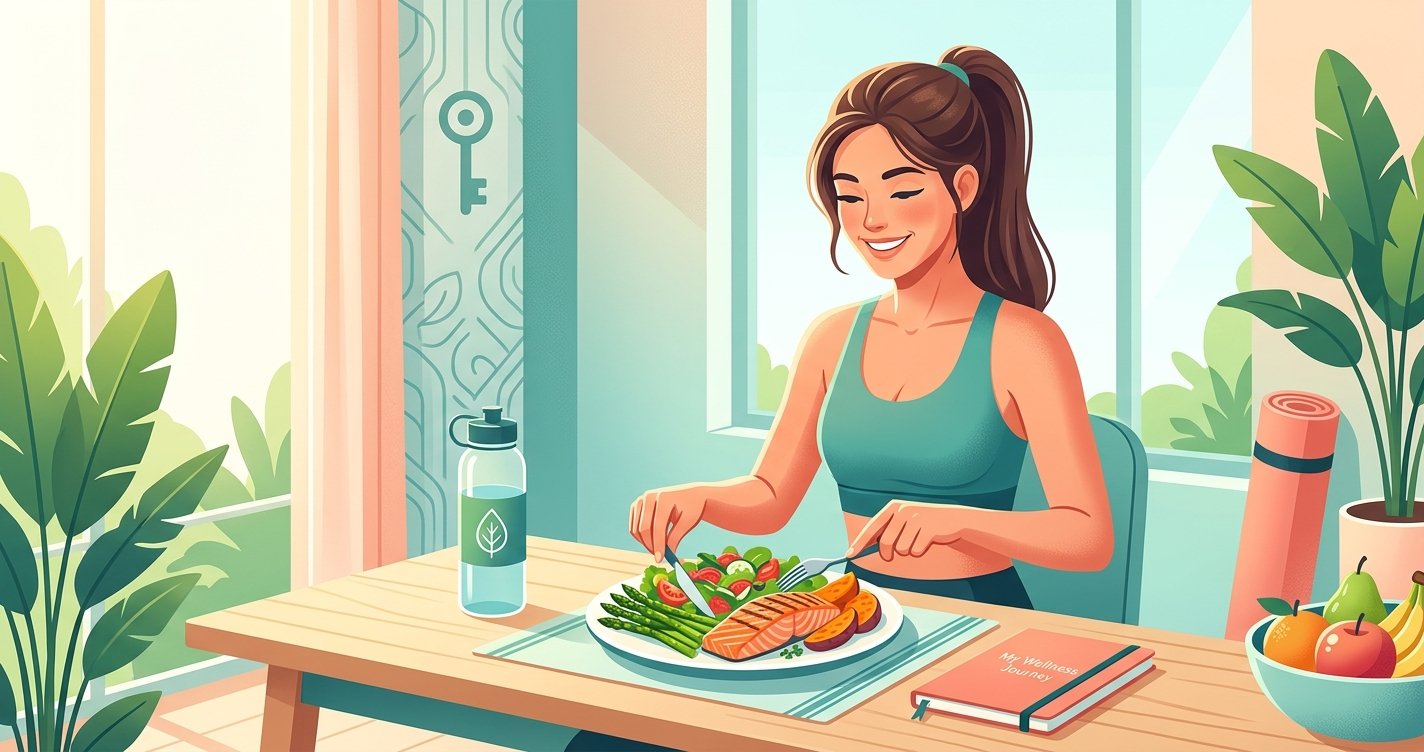
Unlock Sustainable Fat Loss: Your Friendly Guide to a Healthy Calorie Deficit
Are you tired of the yo-yo diet cycle? Do you dream of achieving lasting fat loss without feeling deprived or punishing your body? You're not alone. Many quick-fix diets promise rapid results, only to leave you frustrated and often heavier than when you started. The truth is, sustainable fat loss isn't about extreme measures; it's about understanding a fundamental principle and applying it in a way that nourishes both your body and your mind. That principle? The calorie deficit.
But don't let that term intimidate you! A calorie deficit isn't about starvation or misery. It's about smart, strategic eating and moving that allows your body to gently tap into its fat stores for energy. In this friendly, evidence-based guide, we'll demystify the calorie deficit, show you how to implement it sustainably, and equip you with the tools for long-term fat loss success. Get ready to embark on a journey that prioritizes health, happiness, and results that stick! this excellent wellness product
What Exactly *Is* a Calorie Deficit (and Why It Matters)?
At its core, a calorie is a unit of energy. Your body needs energy to perform every single function, from breathing and thinking to exercising and digesting. This energy comes from the food and drinks you consume. When you consume more calories than your body uses, the excess energy is stored, often as body fat. Conversely, to lose body fat, you need to create a calorie deficit.
A calorie deficit simply means consistently consuming fewer calories than your body expends over time. When this happens, your body, still needing energy, turns to its stored fat reserves. It's a fundamental law of thermodynamics applied to the human body. Without a calorie deficit, fat loss cannot occur. Understanding this isn't about rigid restriction; it's about empowering yourself with knowledge to make informed choices that align with your fat loss goals.
The Golden Rule: How to Calculate Your Sustainable Deficit
So, how do you figure out your personal calorie deficit? It starts with estimating your Total Daily Energy Expenditure (TDEE). Your TDEE is the total number of calories your body burns in a day, considering your Basal Metabolic Rate (BMR – calories burned at rest) and your activity levels. While precise measurements require lab tests, you can get a very good estimate using online TDEE calculators (just search for 'TDEE calculator' online).
Once you have your estimated TDEE, you'll subtract a certain number of calories to create your deficit. For sustainable, healthy fat loss, a deficit of 250-500 calories per day is often recommended. This typically translates to a weight loss of 0.5 to 1 pound per week. Why not more? A moderate deficit:
- Preserves Muscle Mass: Larger deficits can lead to muscle loss, which is counterproductive for metabolism.
- Reduces Hunger and Cravings: You're less likely to feel deprived and 'fall off the wagon'.
- Supports Energy Levels: You'll have enough energy for daily activities and workouts.
- Is Easier to Maintain: It fits better into a normal lifestyle, making it a sustainable fat loss strategy.
Remember, these are estimates. Listen to your body, track your progress, and be prepared to make small adjustments as you go.
Fueling Your Fat Loss: Smart Nutrition Strategies
Creating a calorie deficit doesn't mean eating less food; it means eating smarter. Focus on nutrient-dense foods that keep you full and satisfied. Here are some key nutrition strategies:
Prioritize Protein
Protein is your best friend for fat loss. It's highly satiating, meaning it keeps you feeling full for longer, reducing the urge to snack. It also has a higher thermic effect (your body burns more calories digesting it) and, crucially, helps preserve muscle mass during a calorie deficit. Include lean protein sources like chicken breast, fish, eggs, Greek yogurt, lentils, and tofu in every meal.
Embrace Fiber-Rich Foods
Fiber adds bulk to your meals without adding many calories, contributing to satiety and healthy digestion. Load up on vegetables, fruits, whole grains, and legumes. These foods are packed with vitamins, minerals, and antioxidants, supporting overall health.
Don't Fear Healthy Fats
While fats are calorie-dense, healthy fats are essential for hormone production, nutrient absorption, and satiety. Include sources like avocados, nuts, seeds, olive oil, and fatty fish (salmon) in moderation. They play a vital role in keeping you satisfied and your body functioning optimally.
Smart Carbohydrate Choices
Carbohydrates are your body's primary energy source. Opt for complex carbohydrates like oats, brown rice, quinoa, and sweet potatoes over refined carbs (white bread, sugary snacks). Complex carbs provide sustained energy and fiber, preventing energy crashes and cravings.
Hydration is Key
Often overlooked, adequate water intake is crucial. Water can help you feel fuller, support metabolism, and is essential for countless bodily functions. Sometimes, what feels like hunger is actually thirst. Aim for at least 8 glasses of water daily.
Mindful Eating Practices
Pay attention to your hunger and fullness cues. Eat slowly, savor your food, and avoid distractions. Mindful eating can help you recognize when you're truly satisfied, preventing overeating and making your calorie deficit feel effortless.
Moving Your Body: Exercise as Your Ally (Not Your Punisher)
While nutrition is paramount for creating a calorie deficit, exercise is an incredibly powerful tool to enhance your fat loss journey and improve overall health. It's not about punishing yourself; it's about celebrating what your body can do.
Strength Training for Metabolism Boost
Building and maintaining muscle mass is critical for sustainable fat loss. Muscle tissue is metabolically active, meaning it burns more calories at rest than fat tissue. Incorporating 2-3 strength training sessions per week can significantly boost your metabolism, helping you burn more calories even when you're not working out. Think weights, resistance bands, or bodyweight exercises.
Cardio for Calorie Burn and Heart Health
Cardiovascular exercise directly burns calories and is fantastic for heart health. Find activities you enjoy – brisk walking, jogging, cycling, swimming, dancing, or hiking. Aim for at least 150 minutes of moderate-intensity cardio per week. Varying your cardio can keep things interesting and challenge your body in different ways.
NEAT: The Unsung Hero of Calorie Expenditure
Non-Exercise Activity Thermogenesis (NEAT) refers to the calories you burn from all activities that aren't sleeping, eating, or structured exercise. This includes walking to work, taking the stairs, fidgeting, gardening, or cleaning. Boosting your NEAT can significantly increase your daily calorie expenditure without feeling like a formal workout. Look for opportunities to move more throughout your day.
Beyond the Plate: Lifestyle Factors for Lasting Success
Sustainable fat loss isn't just about what you eat and how you move; it's deeply intertwined with your overall lifestyle. These often-ignored factors can make or break your progress.
The Power of Quality Sleep
Sleep deprivation wreaks havoc on your hormones, specifically ghrelin (the hunger hormone) and leptin (the satiety hormone). Lack of sleep can increase cravings for unhealthy foods, reduce your energy for workouts, and make it harder to stick to your calorie deficit. Aim for 7-9 hours of quality sleep per night.
Stress Management Matters
Chronic stress elevates cortisol levels, a hormone that can promote fat storage, especially around the belly. Stress can also lead to emotional eating. Incorporate stress-reducing activities into your daily routine, such as meditation, yoga, spending time in nature, or hobbies you enjoy.
Consistency Over Perfection
No one is perfect. There will be days when you overeat or miss a workout. The key is not to let one slip-up derail your entire journey. Consistency over time, rather than flawless execution every single day, is what leads to sustainable results. Get back on track with your next meal or workout.
Troubleshooting & Staying Motivated: Overcoming Plateaus and Mindset Shifts
Your fat loss journey won't always be a straight line down. Plateaus are normal, but they can be frustrating. Here’s how to navigate them and stay motivated:
Track and Adjust
If progress stalls, revisit your tracking. Are you accurately logging all your food and drinks? Sometimes, 'calorie creep' happens. You might also need to slightly reduce your calorie target as your body weight decreases, as a smaller body requires fewer calories. Consider adjusting your workout routine or increasing your NEAT.
Be Patient and Persistent
Fat loss takes time. A healthy rate is typically 0.5-1 pound per week. Don't get discouraged if the scale doesn't move every day. Look at trends over weeks and months. Your body is constantly adapting.
Seek Support
Share your goals with supportive friends or family, join a fitness community, or consider working with a coach. Accountability and encouragement can be powerful motivators.
Celebrate Non-Scale Victories
The scale is just one measure. Pay attention to how your clothes fit, your energy levels, improvements in strength, better sleep, and an overall sense of well-being. These 'non-scale victories' are powerful indicators of progress and can keep you motivated even when the scale is stubborn.
The Long Game: Making Fat Loss a Sustainable Lifestyle
True, sustainable fat loss isn't a temporary diet; it's a shift towards a healthier lifestyle. The habits you build during your calorie deficit phase – mindful eating, regular exercise, prioritizing sleep, and managing stress – are the same habits that will help you maintain your results for life.
Think of your journey not as reaching an endpoint, but as developing a set of tools and a mindset that empowers you to live a vibrant, healthy life. Embrace the process, be kind to yourself, and celebrate every step you take towards a stronger, healthier you. Your body will thank you for it!
Ready to ditch the quick fixes and embrace a path to lasting fat loss? Start applying the principles of a sustainable calorie deficit today. Your healthier, happier self awaits!