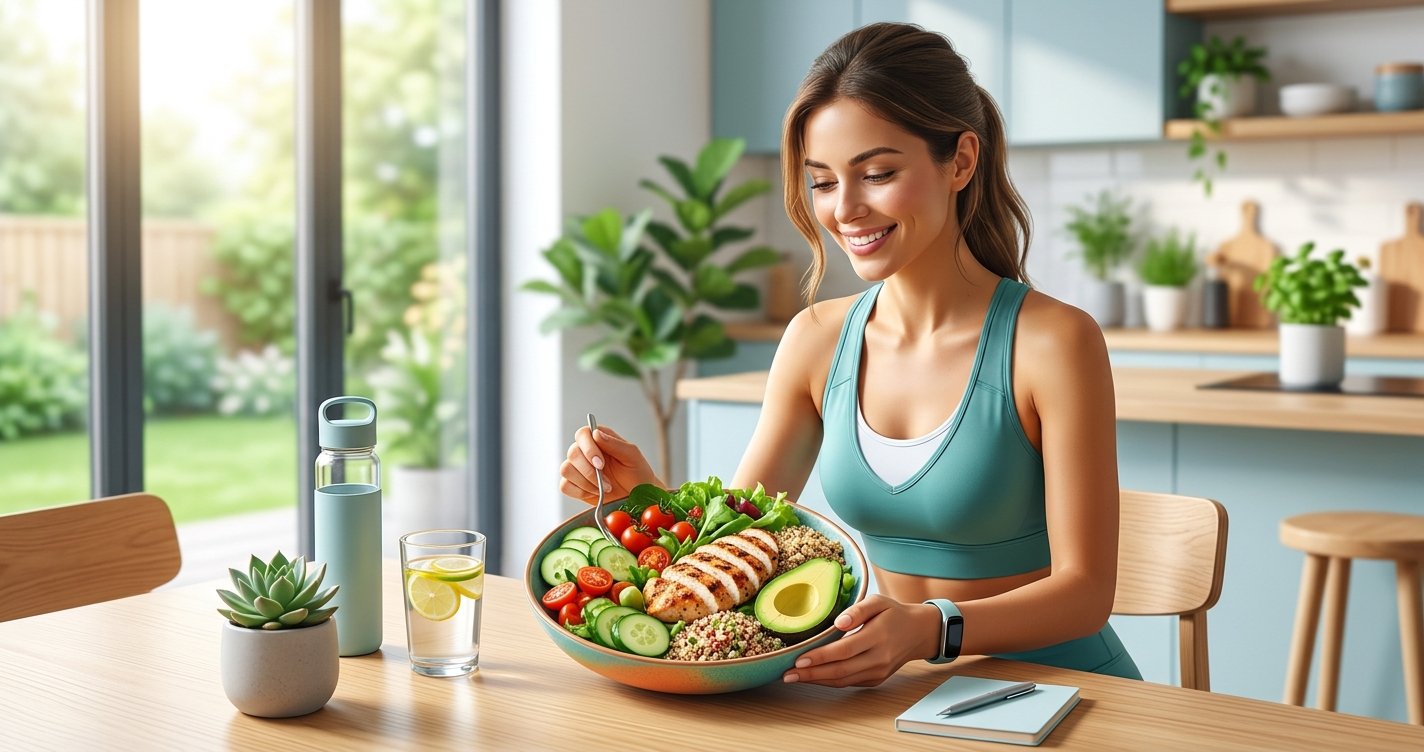
Are you tired of quick-fix diets that promise the world but deliver only frustration and rebound weight gain? If you’re looking for a truly sustainable path to fat loss, one that works with your body and lifestyle, then you’ve come to the right place. Forget extreme restrictions and confusing rules; the cornerstone of effective, long-term fat loss is a concept called the calorie deficit. But not just any calorie deficit – a healthy, manageable, and sustainable one.
In this comprehensive guide, we'll demystify the calorie deficit, showing you exactly what it is, how to achieve it without feeling deprived, and how to make it a natural, enjoyable part of your journey towards a healthier, happier you. Let's ditch the fads and embrace a science-backed approach that truly delivers lasting results! this excellent wellness product
What Exactly is a Calorie Deficit? (And Why It's Key to Fat Loss)
At its core, a calorie deficit is simple math: it means you're consuming fewer calories than your body burns in a day. Think of your body like a car. It needs fuel (calories) to run. If you put in less fuel than it needs to travel a certain distance, it starts tapping into its reserve tank. For your body, that 'reserve tank' is stored fat.
Every day, your body expends energy for basic functions like breathing, circulating blood, and maintaining body temperature (your Basal Metabolic Rate or BMR), plus the energy you burn through daily activities, exercise, and even digesting food. This total energy expenditure is your Total Daily Energy Expenditure (TDEE).
When your calorie intake is consistently lower than your TDEE, your body is forced to use its stored energy (fat) to make up the difference. This process is the fundamental principle behind fat loss. Without a calorie deficit, no matter how 'healthy' your food choices are, fat loss simply won't occur.
Finding Your Sweet Spot: How to Calculate Your Calorie Needs
So, how do you figure out your TDEE and create a healthy deficit? It's easier than you might think! While precise measurements require lab tests, you can get a very good estimate using online calculators or by tracking your current intake.
- Online TDEE Calculators: These tools typically ask for your age, sex, height, weight, and activity level. They then use formulas (like the Mifflin-St Jeor equation) to estimate your BMR and TDEE.
- Tracking Your Current Intake: For a few days, honestly track everything you eat and drink using a food logging app. If your weight has been stable, this average daily intake is a good approximation of your TDEE.
Once you have an estimate of your TDEE, the goal is to create a deficit. A healthy, sustainable deficit for most people is typically 300-500 calories below their TDEE. This usually translates to a safe and steady fat loss of 1-2 pounds per week, which is ideal for long-term success without feeling overly restricted or impacting your metabolism negatively.
Remember: These are estimates. Listen to your body and adjust as needed. Consulting with a registered dietitian or healthcare professional can provide personalized guidance.
Eating Smarter, Not Less: Nutrition Strategies for a Manageable Deficit
Creating a calorie deficit doesn't mean eating tiny portions of bland food. It's about making smart, nutrient-dense choices that keep you full, energized, and satisfied. Here's how to eat smarter:
Prioritize Protein: The Satiety Superstar
- Why: Protein is incredibly satiating, meaning it helps you feel fuller for longer. It also requires more energy to digest (the thermic effect of food) and is crucial for preserving muscle mass during fat loss, which helps maintain your metabolism.
- Sources: Lean meats (chicken, turkey, fish), eggs, Greek yogurt, cottage cheese, legumes (beans, lentils), tofu, tempeh, protein powder.
Embrace Fiber: Your Fullness Friend
- Why: Fiber adds bulk to your meals without adding many calories. It slows digestion, helps regulate blood sugar, and promotes gut health.
- Sources: Fruits (berries, apples), vegetables (broccoli, spinach, carrots), whole grains (oats, quinoa, brown rice), nuts, and seeds.
Don't Fear Healthy Fats: Essential for Well-being
- Why: While calorie-dense, healthy fats are essential for hormone production, nutrient absorption, and satiety. In moderation, they can help you feel satisfied and prevent cravings.
- Sources: Avocados, nuts, seeds, olive oil, fatty fish (salmon).
Hydration is Key: Water Works Wonders
Drinking plenty of water throughout the day can help manage hunger, boost metabolism slightly, and keep your body functioning optimally. Sometimes, thirst can be mistaken for hunger, so hydrate first!
Beyond the Plate: The Role of Exercise in Your Fat Loss Journey
While nutrition creates the calorie deficit, exercise is a powerful ally that amplifies your efforts and offers numerous health benefits. Think of exercise as enhancing your deficit and sculpting your body, rather than solely creating the deficit.
Strength Training: Build & Boost
Lifting weights or doing bodyweight exercises is crucial. Muscle tissue is more metabolically active than fat tissue, meaning it burns more calories even at rest. Building muscle not only helps you look more toned but also boosts your metabolism, making fat loss easier in the long run.
Cardio: Burn & Benefit
Cardiovascular exercise, like brisk walking, jogging, cycling, or swimming, directly burns calories and improves heart health. It can help increase your daily calorie expenditure, making it easier to maintain your deficit. Find activities you enjoy to ensure consistency!
NEAT: Move More, Effortlessly
Non-Exercise Activity Thermogenesis (NEAT) refers to the calories you burn through everyday movements that aren't formal exercise. Taking the stairs, parking further away, standing at your desk, fidgeting – all these add up! Increasing your NEAT can significantly contribute to your daily calorie expenditure without feeling like a workout.
Patience and Progress: Monitoring Your Journey and Staying Motivated
Fat loss is rarely a linear journey. There will be fluctuations due to water retention, hormones, and other factors. It’s vital to adopt a mindset of patience and focus on consistent progress rather than perfection.
- Don't Obsess Over the Scale: While the scale can be a tool, it doesn't tell the whole story. Your weight can fluctuate daily. Weigh yourself once a week at the same time, under the same conditions, and look for trends over time.
- Embrace Non-Scale Victories (NSVs): Are your clothes fitting better? Do you have more energy? Are you stronger? Is your sleep improving? These are significant signs of progress that the scale might not capture.
- Take Measurements and Photos: Periodically measuring your waist, hips, and other areas, and taking progress photos, can reveal changes that the scale misses, especially if you're building muscle.
- Adjust as You Go: As you lose weight, your TDEE will naturally decrease. You may need to slightly adjust your calorie intake or increase your activity level to continue seeing progress.
Common Pitfalls to Avoid on Your Sustainable Fat Loss Path
Even with the best intentions, it's easy to stumble. Being aware of common mistakes can help you navigate your journey more smoothly:
- Extreme Restriction: Cutting calories too drastically is unsustainable and can lead to nutrient deficiencies, muscle loss, metabolic slowdown, and an inevitable rebound. Slow and steady wins the race!
- Overestimating Exercise Calories: Fitness trackers and machines often overestimate calorie burn. Don't 'eat back' all your exercise calories; use exercise as a bonus for your deficit.
- Underestimating Food Intake: Many people unknowingly underestimate portion sizes or forget to log snacks and drinks. Be diligent and honest with your tracking, at least initially.
- Neglecting Sleep and Stress: Poor sleep and chronic stress can disrupt hormones (like ghrelin and leptin, which regulate hunger) and lead to increased cravings and fat storage. Prioritize rest and stress management.
- Comparing Yourself to Others: Everyone's body and journey are unique. Focus on your own progress and celebrate your personal achievements.
Making It Stick: Building Habits for Long-Term Success
Sustainable fat loss isn't about a temporary diet; it's about building healthy habits that become a natural part of your life. The goal isn't just to lose weight, but to keep it off and live a healthier life.
- Start Small, Be Consistent: Don't try to overhaul everything at once. Pick one or two small changes you can consistently stick to (e.g., adding protein to every meal, walking 30 minutes daily). Consistency over intensity is key.
- Find Your Support System: Whether it's a friend, family member, or online community, having people who support your goals can make a huge difference.
- Embrace Flexibility: Life happens! Don't let one 'off-plan' meal or day derail your entire journey. Get back on track at your next meal. Perfection is the enemy of progress.
- Cultivate Self-Compassion: Be kind to yourself. There will be good days and challenging days. Learn from setbacks and move forward without guilt.
- Focus on Health, Not Just a Number: Shift your focus from solely the number on the scale to improving your overall health, energy, strength, and well-being. The fat loss will naturally follow.
Embarking on a sustainable fat loss journey through a healthy calorie deficit is one of the most empowering things you can do for your health. It’s about understanding your body, making informed choices, and fostering habits that serve you for a lifetime. With patience, consistency, and a friendly, evidence-based approach, you absolutely can achieve lasting results and enjoy the incredible benefits of a healthier, more vibrant you. Start today, and trust the process!