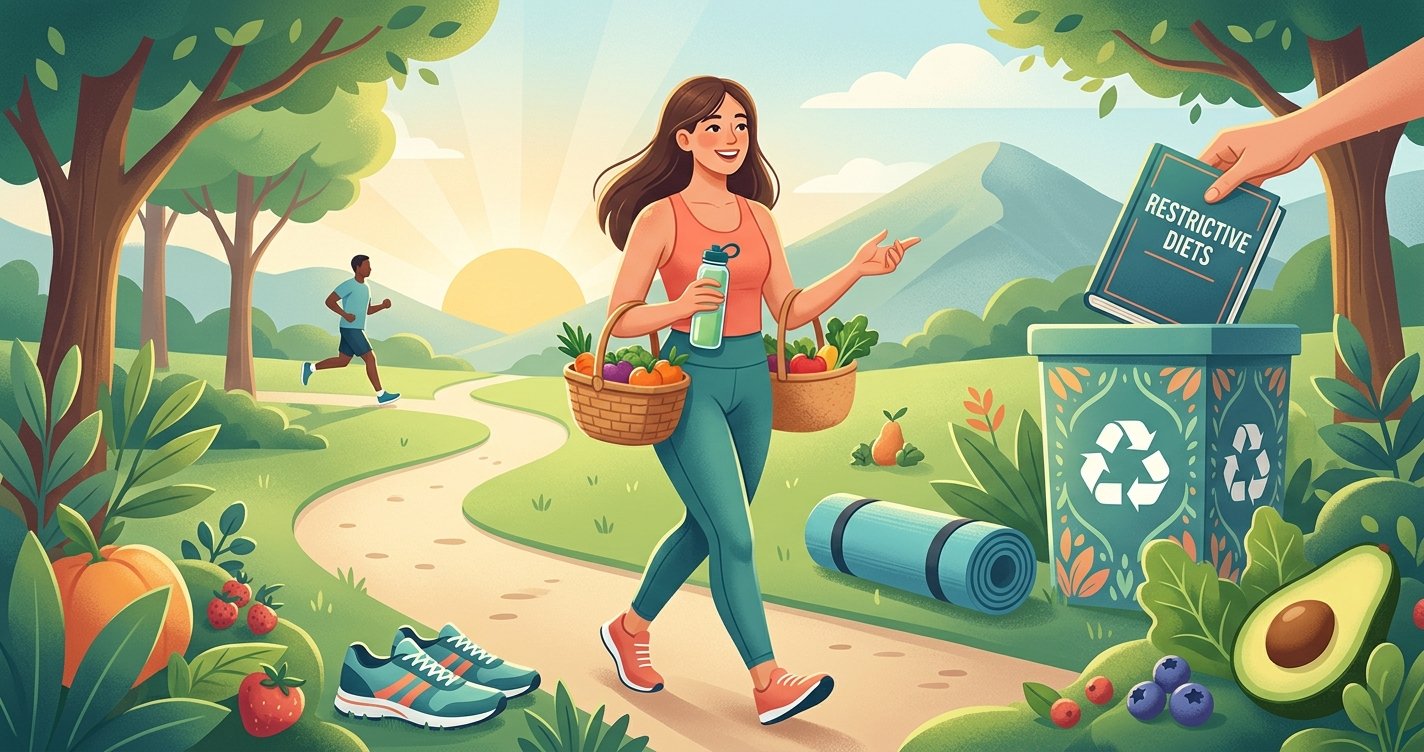
Are you tired of the endless cycle of restrictive diets, quick fixes, and the disheartening weight regain that often follows? You’re not alone. Millions embark on fat loss journeys each year, only to find themselves frustrated and back where they started. The truth is, traditional dieting often sets us up for failure, focusing on deprivation rather than long-term well-being. But what if there was a better way? A path to sustainable fat loss that prioritizes your health, happiness, and builds habits you can actually stick to?
This isn't about a new fad diet or a grueling workout plan. This is about transforming your relationship with food, movement, and your own body. It’s an evidence-based, encouraging approach to achieving lasting fat loss by embracing healthy habits that support your metabolism, mental health, and overall vitality. Let's ditch the diet mentality and embark on a journey towards a healthier, more vibrant you. this excellent wellness product
Why Most Diets Fail: Understanding the Cycle of Restriction
Before we dive into what works, it's crucial to understand why so many conventional diets fall short. They often promote extreme calorie restriction, eliminate entire food groups, and create a sense of deprivation. While these methods might lead to rapid initial weight loss, they are rarely sustainable for the long haul. Here's why:
- Metabolic Adaptation: When you drastically cut calories, your body, in its wisdom, slows down its metabolism to conserve energy. This makes it harder to lose weight over time and easier to regain it once you return to a more typical eating pattern.
- Psychological Toll: Constant restriction can lead to feelings of deprivation, guilt, and an unhealthy obsession with food. This often triggers binge eating, emotional eating, and a general negative relationship with food.
- Nutritional Deficiencies: Eliminating food groups without proper planning can lead to a lack of essential vitamins and minerals, impacting your energy, mood, and overall health.
- Lack of Sustainability: Who wants to live on a strict, joyless meal plan forever? Diets are often temporary fixes, not lifestyle changes. Once the diet ends, old habits creep back in, and so does the weight.
Recognizing these pitfalls is the first step towards breaking free from the diet cycle and embracing a more holistic, sustainable approach to fat loss.
Shifting Your Mindset: From Restriction to Nourishment and Self-Compassion
The foundation of sustainable fat loss isn't just about what you eat, but how you think about eating and your body. Cultivating a positive mindset is paramount. Instead of viewing food as the enemy or a source of guilt, start seeing it as fuel, pleasure, and nourishment.
Embrace Intuitive Eating Principles
Intuitive eating isn't a diet; it's a framework for reconnecting with your body's natural hunger and fullness cues. It encourages you to:
- Honor Your Hunger: Eat when you're hungry, and don't let yourself get ravenous.
- Feel Your Fullness: Pay attention to when you're comfortably satisfied, not stuffed.
- Make Peace with Food: Give yourself unconditional permission to eat all foods, removing the moral judgment from certain items. This reduces the urge to overeat 'forbidden' foods.
- Cope with Your Emotions with Kindness: Learn to identify emotional eating triggers and find alternative ways to comfort, distract, or resolve issues.
This approach helps you develop a healthier, more mindful relationship with food, which is crucial for long-term success. It’s about listening to your body, not external rules.
Practice Self-Compassion
Your journey won't be perfect, and that's okay. There will be days when you make choices that don't align with your goals. Instead of self-criticism and giving up, practice self-compassion. Learn from your experiences, adjust, and move forward. Remember, progress, not perfection, is the goal.
The Power of Protein and Fiber: Satiety's Best Friends
When it comes to nutrition for sustainable fat loss, two macronutrients stand out for their ability to keep you feeling full and satisfied: protein and fiber. Incorporating more of these into your diet can significantly impact your ability to manage hunger and reduce overall calorie intake naturally.
Protein: The Satiety Superstar
Protein has a higher thermic effect of food (TEF) than fats or carbohydrates, meaning your body burns more calories digesting it. More importantly, protein is incredibly satiating, helping you feel fuller for longer. This can reduce cravings and prevent overeating. Aim to include a good source of protein at every meal:
- Lean meats (chicken, turkey, lean beef)
- Fish and seafood
- Eggs
- Dairy (Greek yogurt, cottage cheese)
- Legumes (lentils, beans)
- Tofu, tempeh, edamame
Fiber: The Digestive Dynamo
Fiber, particularly soluble fiber, slows down digestion, helps stabilize blood sugar, and contributes to a feeling of fullness. It also supports a healthy gut microbiome, which is increasingly linked to weight management. Load up on fiber from:
- Fruits (berries, apples, pears)
- Vegetables (broccoli, spinach, carrots)
- Whole grains (oats, quinoa, brown rice)
- Legumes (beans, chickpeas)
- Nuts and seeds (chia seeds, flax seeds)
By prioritizing protein and fiber, you'll naturally reduce your intake of less nutritious, calorie-dense foods, making your fat loss journey feel less like a struggle and more like a natural progression.
Move Your Body: Beyond Burning Calories
Exercise is a critical component of sustainable fat loss, but its benefits extend far beyond just burning calories. It's about building strength, improving cardiovascular health, boosting mood, and enhancing overall vitality.
Prioritize Strength Training
Building muscle is one of the most effective strategies for long-term fat loss. Muscle tissue is more metabolically active than fat tissue, meaning it burns more calories at rest. Strength training also:
- Boosts Metabolism: Helps counteract metabolic slowdown often associated with calorie restriction.
- Improves Body Composition: Changes how your body looks by increasing muscle and decreasing fat.
- Enhances Bone Density: Crucial for long-term health.
- Increases Strength and Functional Fitness: Makes everyday tasks easier and more enjoyable.
Aim for 2-3 full-body strength training sessions per week. You can use weights, resistance bands, or even your own body weight.
Find Movement You Enjoy
Forget punishing workouts you dread. The best exercise is the one you'll actually do consistently. Whether it's walking, dancing, hiking, swimming, cycling, or playing a sport, find activities that bring you joy. Consistency is far more important than intensity in the long run. Aim for at least 150 minutes of moderate-intensity activity per week.
Beyond Food and Exercise: The Crucial Role of Sleep, Stress, and Hydration
Sustainable fat loss isn't just about diet and exercise; it's a holistic endeavor. Neglecting other vital aspects of your health can sabotage your best efforts.
Quality Sleep: Your Unsung Hero
Lack of sleep can wreak havoc on your hormones, increasing ghrelin (the hunger hormone) and decreasing leptin (the satiety hormone). This makes you hungrier, especially for high-carb, high-fat foods, and reduces your willpower. Aim for 7-9 hours of quality sleep per night. Establish a consistent sleep schedule, create a relaxing bedtime routine, and optimize your sleep environment.
Stress Management: Taming Cortisol
Chronic stress elevates cortisol levels, a hormone that can promote fat storage, particularly around the abdomen. Find healthy ways to manage stress, such as:
- Meditation or mindfulness
- Yoga or deep breathing exercises
- Spending time in nature
- Engaging in hobbies
- Connecting with loved ones
Hydration: Simple Yet Powerful
Often overlooked, adequate water intake is crucial. Water supports metabolism, aids digestion, helps you feel full, and can even reduce cravings, sometimes mistaken for hunger. Aim for 8 glasses (around 2 liters) of water daily, and more if you're active or in a hot climate.
Building Sustainable Habits: Small Steps, Big Results
The key to lasting fat loss is not about dramatic overhauls, but about consistently implementing small, manageable habits that accumulate over time. Think baby steps, not giant leaps.
- Start Small: Don't try to change everything at once. Pick one or two habits to focus on each week or month. For example, 'I will add a serving of vegetables to every dinner,' or 'I will go for a 15-minute walk daily.'
- Be Consistent: Consistency trumps intensity. Doing something small regularly is far more effective than sporadic, extreme efforts.
- Track Your Progress (Beyond the Scale): While the scale can be a tool, don't let it be your only measure of success. Track non-scale victories like increased energy, better sleep, clothes fitting differently, improved mood, or personal bests in your workouts.
- Be Patient: Sustainable fat loss takes time. There will be plateaus and setbacks. Trust the process, celebrate your progress, and remember that this is a journey, not a race.
- Seek Support: Share your goals with a trusted friend, family member, or consider working with a coach or registered dietitian. A support system can provide encouragement and accountability.
Embrace Your Journey to Lasting Health
Sustainable fat loss isn't about chasing a number on the scale; it's about building a healthier, happier life from the inside out. By ditching the restrictive diet mentality and focusing on nourishing your body, moving with joy, managing stress, prioritizing sleep, and building consistent healthy habits, you're not just losing fat—you're gaining a lifetime of well-being.
This journey requires patience, self-compassion, and a commitment to yourself. Remember, every small, positive choice you make is a step towards a stronger, more vibrant, and sustainably healthier you. Start today, one healthy habit at a time, and watch your life transform.