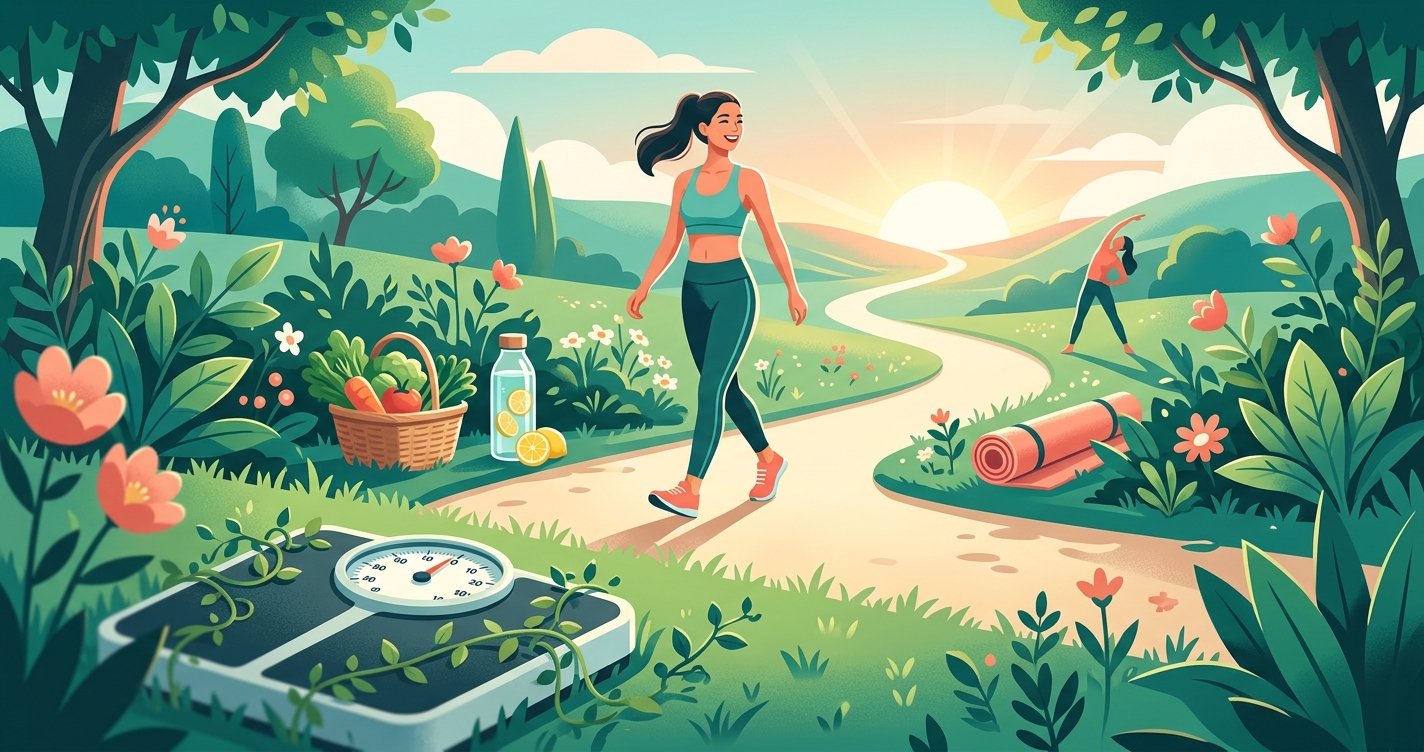
Are you tired of the endless cycle of crash diets, rapid weight loss, and inevitable rebound? You're not alone. Many of us have fallen prey to the allure of quick fixes, only to find ourselves frustrated and further from our goals. But what if there was a better way? A path to fat loss that doesn't involve extreme restriction, endless hunger, or feeling deprived?
Welcome to the world of sustainable fat loss – a journey focused on building healthy, lasting habits that not only help you shed unwanted fat but also improve your overall well-being. This isn't about dieting; it's about transforming your lifestyle. We'll explore evidence-based strategies that empower you to achieve lasting results, all while fostering a positive relationship with food and your body. Get ready to ditch the yo-yo and embrace a healthier, happier you! this excellent wellness product
The Problem with Crash Diets: Why They Fail (and Frustrate)
Before we dive into solutions, let's understand why most extreme diets are a recipe for disappointment. While they might promise rapid results, these restrictive approaches often backfire, leaving you heavier and more discouraged than when you started.
The Yo-Yo Cycle Explained
Crash diets typically involve drastically cutting calories, often eliminating entire food groups. Initially, you might see the numbers on the scale drop quickly. However, much of this initial loss is water weight, not true fat. Your body, sensing starvation, adapts by slowing its metabolism to conserve energy. This makes it harder to lose fat and easier to regain weight once you inevitably return to a more normal eating pattern.
Furthermore, extreme restriction is mentally and physically exhausting. Cravings become overwhelming, social situations become stressful, and eventually, willpower gives way. When you 'fall off the wagon,' the restrictive mindset often leads to overeating, and the weight (plus a little extra) comes back – often as fat, not muscle. This demoralizing 'yo-yo effect' makes future fat loss even more challenging.
The Foundation of Sustainable Fat Loss: Calorie Deficit, Smarter, Not Harder
At its core, fat loss boils down to one fundamental principle: consuming fewer calories than your body burns. This is known as creating a calorie deficit. However, the key to sustainability lies in achieving this deficit in a smart, moderate, and enjoyable way.
Understanding Your Energy Balance
Your Total Daily Energy Expenditure (TDEE) is the number of calories your body burns in a day, including basic functions, physical activity, and food digestion. To lose fat, you need to eat slightly less than your TDEE. A moderate deficit of 300-500 calories per day is generally recommended for healthy, sustainable fat loss (about 1-2 pounds per week). This allows for steady progress without triggering the body's extreme starvation response or leaving you feeling constantly hungry and deprived.
Focus on nutrient-dense foods that provide satiety for fewer calories, rather than simply eating less of everything. This strategy ensures your body receives essential vitamins and minerals, keeping you energized and healthy throughout your journey.
Key Pillars for Lasting Results
Sustainable fat loss isn't just about calories; it's about the quality of those calories and how they impact your body and hunger levels. Let's explore the essential nutritional pillars.
Pillar 1: Prioritize Protein Power
Protein is your secret weapon for fat loss. It's the most satiating macronutrient, meaning it keeps you feeling fuller for longer, reducing the likelihood of overeating. Protein also has a higher thermic effect of food (TEF), meaning your body burns more calories digesting it compared to fats or carbs.
Aim for a good source of lean protein at every meal: chicken breast, fish, lean beef, eggs, Greek yogurt, tofu, lentils, or protein powder. This helps preserve muscle mass while in a calorie deficit, which is crucial for maintaining a healthy metabolism.
Pillar 2: Embrace Fiber-Rich Foods
Fiber is another champion for satiety and digestive health. Found in fruits, vegetables, whole grains, and legumes, fiber adds bulk to your meals without adding many calories. It slows down digestion, helping to stabilize blood sugar levels and prevent energy crashes that can lead to cravings.
Make it a goal to include a variety of colorful vegetables and fruits in your daily diet. Swap refined grains for whole grains like oats, quinoa, and brown rice. Your gut (and your waistline) will thank you!
Pillar 3: Don't Fear Healthy Fats
While fats are calorie-dense, healthy fats are essential for hormone production, nutrient absorption, and long-term satiety. Eliminating all fats is a common crash diet mistake that can leave you feeling unsatisfied and can negatively impact your health.
Focus on unsaturated fats from sources like avocados, nuts, seeds, olive oil, and fatty fish (salmon, mackerel). Consume them in moderation, as they are calorie-dense, but don't cut them out entirely. They play a vital role in keeping you feeling full and your body functioning optimally.
Pillar 4: Smart Carbohydrate Choices
Carbohydrates are your body's primary energy source. The key is choosing the right kind. Opt for complex carbohydrates found in whole grains, fruits, and vegetables over refined carbohydrates like white bread, sugary drinks, and pastries.
Complex carbs provide sustained energy, fiber, and essential nutrients. Timing can also play a role: consider consuming most of your carbs around your workouts to fuel performance and aid recovery. Remember, no food group is inherently 'bad'; it's about balance, portion control, and choosing nutrient-dense options.
Beyond the Plate: Lifestyle Habits for Success
Sustainable fat loss isn't just about what you eat; it's deeply intertwined with your overall lifestyle. These habits amplify your efforts and contribute to a healthier, more vibrant you.
The Power of Progressive Resistance Training
Muscle is metabolically active tissue, meaning it burns more calories at rest than fat. Incorporating strength training (using weights, resistance bands, or even your own body weight) 2-4 times per week is incredibly effective for fat loss. It helps build and preserve muscle mass while in a calorie deficit, boosting your metabolism and giving your body a more toned appearance.
Don't be afraid to lift weights! You won't 'get bulky' unless you specifically train for it. Focus on compound movements (squats, deadlifts, presses) that work multiple muscle groups.
Incorporate Consistent Cardio (But Don't Overdo It)
Cardiovascular exercise, like brisk walking, jogging, cycling, or swimming, is excellent for heart health and creates an additional calorie deficit. While strength training builds muscle, cardio helps burn extra calories and improves your body's ability to use fat for fuel.
Aim for at least 150 minutes of moderate-intensity cardio per week. Find activities you enjoy to ensure consistency. Remember, more isn't always better; overdoing cardio can lead to burnout and increased hunger.
Master Your Sleep for Optimal Hormones
Sleep is often overlooked but plays a crucial role in fat loss. Lack of sleep disrupts hunger-regulating hormones: it increases ghrelin (the hunger hormone) and decreases leptin (the satiety hormone). This can lead to increased cravings, especially for high-calorie, sugary foods.
Aim for 7-9 hours of quality sleep per night. Establish a consistent sleep schedule, create a relaxing bedtime routine, and optimize your sleep environment for darkness and quiet.
Stress Management: A Hidden Fat Loss Weapon
Chronic stress triggers the release of cortisol, a hormone that can promote fat storage, especially around the abdominal area. Stress also often leads to emotional eating, where food becomes a coping mechanism rather than fuel.
Find healthy ways to manage stress: meditation, yoga, spending time in nature, hobbies, or connecting with loved ones. Prioritizing self-care is not a luxury; it's a necessity for sustainable fat loss and overall well-being.
Hydration: Your Simple, Yet Powerful Ally
Drinking enough water is a simple habit with significant benefits. Water helps with metabolism, can reduce appetite (sometimes thirst is mistaken for hunger), and aids in nutrient transport and waste removal. It's calorie-free and essential for every bodily function.
Keep a water bottle handy and sip throughout the day. Aim for at least 8 glasses (around 2 liters), but adjust based on your activity level and climate.
Mindset Matters: Cultivating Patience and Self-Compassion
The journey to sustainable fat loss is not linear. There will be ups and downs, plateaus, and moments of frustration. Your mindset is perhaps the most critical component for long-term success.
Focus on Progress, Not Perfection
Don't chase perfection; strive for consistency. One 'bad' meal or skipped workout doesn't derail your entire progress. Learn from it, adjust, and get back on track. Celebrate non-scale victories – increased energy, better sleep, stronger lifts, clothes fitting better, improved mood – as these are often more indicative of true progress than the number on the scale.
The Importance of Consistency Over Intensity
Small, consistent efforts yield far greater results over time than sporadic, intense bursts of dieting and exercise. Develop habits you can maintain for life, not just for a few weeks. This long-term perspective is the hallmark of sustainable success.
Building Your Sustainable Fat Loss Toolkit (Actionable Steps)
Ready to put these principles into action? Here are some practical steps to get started:
- Track Your Intake (Initially): Use an app to track your food for a few weeks. This provides valuable insight into your current eating habits and helps you identify areas for improvement.
- Meal Prep: Dedicate time each week to plan and prepare healthy meals and snacks. This reduces decision fatigue and makes healthy eating easier when life gets busy.
- Mindful Eating: Pay attention to your body's hunger and fullness cues. Eat slowly, savor your food, and avoid distractions.
- Build a Support System: Share your goals with friends, family, or join a community. Accountability and encouragement can make a huge difference.
- Seek Professional Guidance: If you're unsure where to start or have specific health concerns, consult a registered dietitian or certified personal trainer.
Your Journey to Lasting Change Begins Now
Sustainable fat loss isn't about deprivation; it's about empowerment. It's about making informed choices that nourish your body, strengthen your mind, and build a foundation for lifelong health. By focusing on healthy habits, consistent effort, and a compassionate mindset, you can break free from the diet cycle and achieve the lasting results you deserve.
Remember, this is your journey. Be patient with yourself, celebrate every step forward, and commit to the process. You have the power to transform your body and your life – one healthy habit at a time. Let's start building your healthier future today!