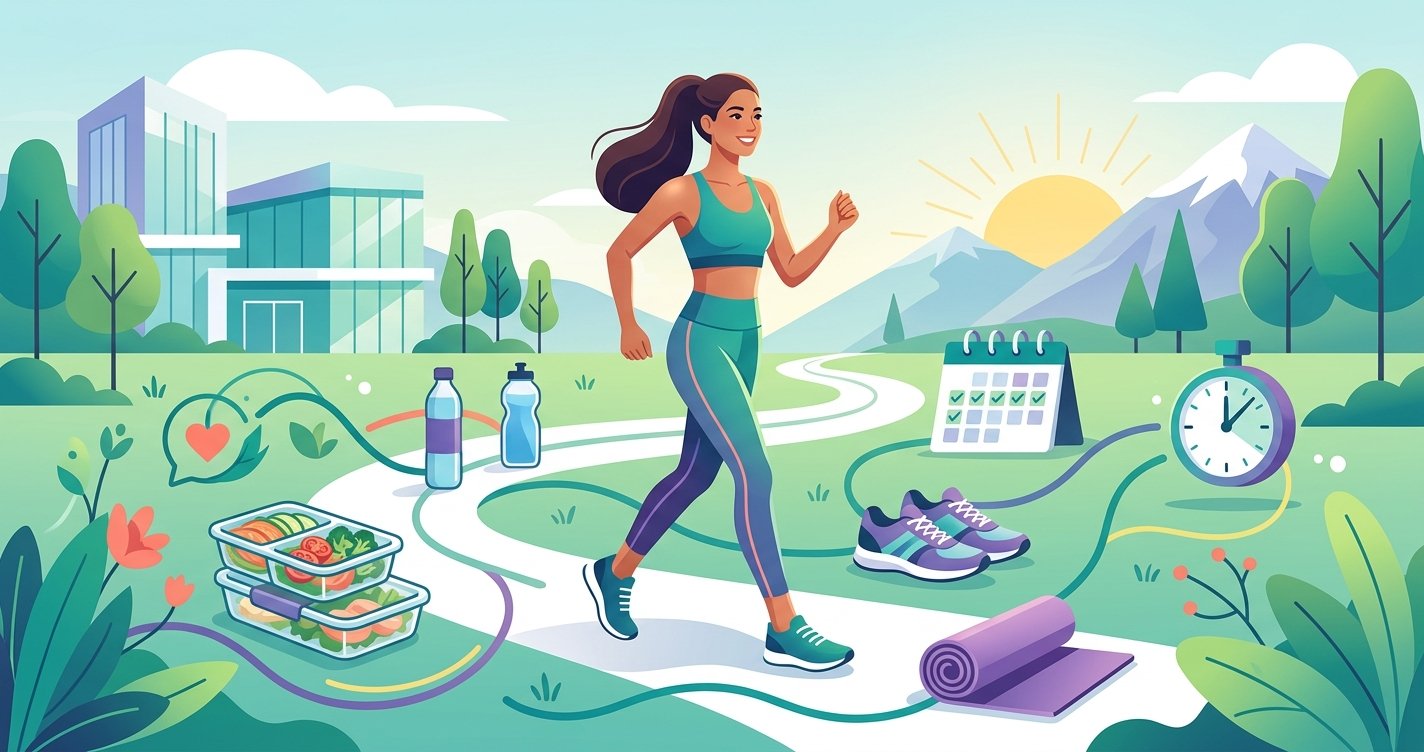
Are you tired of the endless cycle of restrictive diets, rapid weight loss, and then, inevitably, gaining it all back (and sometimes more)? You're not alone. In a world obsessed with quick fixes and dramatic transformations, it's easy to get caught in the trap of unsustainable fat loss methods. But what if there was a better way? A path that doesn't involve deprivation or extreme measures, but rather focuses on building lasting habits that genuinely support your health and help you achieve sustainable fat loss for good?
This isn't about dieting; it's about lifestyle evolution. It’s about understanding your body, nourishing it wisely, and moving it joyfully. It’s about embracing small, consistent changes that accumulate into significant, long-term results. If you’re ready to step off the yo-yo diet rollercoaster and build a foundation for genuine, lasting well-being, read on. We'll explore evidence-based strategies to cultivate habits that make fat loss a natural outcome of a healthier, happier you. this excellent wellness product
The Pitfalls of Crash Diets and Quick Fixes
The allure of losing 10 pounds in a week is powerful, but these rapid approaches often come at a cost. Crash diets, extreme calorie restriction, and trendy detoxes might offer initial results, but they are rarely sustainable. Here’s why they often fail:
- Metabolic Slowdown: Drastically cutting calories can signal your body to conserve energy, slowing down your metabolism and making long-term fat loss harder.
- Muscle Loss: When you lose weight too quickly, a significant portion of that loss can be muscle mass, which is crucial for a healthy metabolism and overall strength.
- Nutrient Deficiencies: Restrictive diets often cut out entire food groups, leading to a lack of essential vitamins and minerals.
- Psychological Burnout: The feeling of deprivation, constant hunger, and social isolation can lead to intense cravings, emotional eating, and eventually, giving up.
- The Yo-Yo Effect: Once the diet ends, most people revert to old habits, and the weight (often more than before) comes back, creating a frustrating and unhealthy cycle.
Sustainable fat loss isn't about punishing your body; it's about nourishing and respecting it. It’s a marathon, not a sprint, and requires a shift in perspective from short-term deprivation to long-term habit formation.
Understanding the Pillars of Sustainable Fat Loss
Before diving into specific habits, let's establish the core principles that guide effective, sustainable fat loss. These aren't secrets; they're fundamental truths supported by science.
Calorie Awareness, Not Obsession
At its core, fat loss requires a calorie deficit – consuming fewer calories than your body expends. However, this doesn't mean meticulously counting every single calorie for the rest of your life. It means becoming aware of the energy density of foods and making smarter choices. Focus on nutrient-dense foods that provide satiety without excessive calories. Think quality over quantity, most of the time.
The Power of Protein and Fiber
These two macronutrients are your best friends for fat loss. Protein helps preserve muscle mass during a deficit, keeps you feeling full, and has a higher thermic effect (meaning your body burns more calories digesting it). Fiber, found in fruits, vegetables, and whole grains, adds bulk to your meals, aids digestion, and also contributes to satiety, helping you eat less without feeling deprived.
Hydration is Key
Often overlooked, adequate water intake is crucial. Water helps with metabolism, can reduce feelings of hunger (sometimes thirst is mistaken for hunger), and supports overall bodily functions. Make water your primary beverage choice.
Practical Habits for Nutritional Success
Now, let’s translate these principles into actionable, daily habits that are easy to integrate into your life.
Mindful Eating
This habit is about paying attention to your food – its taste, texture, and the signals your body sends. Slow down, chew thoroughly, and put your fork down between bites. Ask yourself if you’re truly hungry or just eating out of boredom, stress, or habit. Stop when you're comfortably full, not stuffed. Mindful eating helps you enjoy your food more and naturally consume less.
Meal Prepping and Planning
Failing to plan is planning to fail, especially when it comes to healthy eating. Dedicate some time each week to plan your meals and snacks. Prepare ingredients or entire meals in advance. This reduces the likelihood of impulse, unhealthy food choices when you're busy, tired, or ravenous.
Smart Snacking
Snacks aren't inherently bad; it's what you snack on that matters. Opt for nutrient-dense options like a handful of almonds, Greek yogurt with berries, vegetable sticks with hummus, or an apple with peanut butter. These keep hunger at bay and provide essential nutrients without derailing your fat loss efforts.
Prioritizing Whole, Unprocessed Foods
Make whole foods the cornerstone of your diet. Think fresh fruits, vegetables, lean proteins, whole grains, and healthy fats. These foods are packed with nutrients and fiber, naturally lower in calories compared to their processed counterparts, and help you feel full and energized. Limit highly processed foods, sugary drinks, and excessive amounts of unhealthy fats.
Integrating Movement for Lasting Results
Exercise isn't just about burning calories; it's about building a stronger, healthier body and mind. But it doesn't have to be grueling or something you dread.
Find Your Joy in Movement
The best exercise is the one you'll actually do consistently. Whether it's dancing, hiking, swimming, cycling, yoga, or playing a sport, find activities that you genuinely enjoy. This makes movement a sustainable part of your life, not a chore.
Strength Training for Metabolism
Don't shy away from lifting weights! Building muscle mass is incredibly beneficial for fat loss. Muscle tissue burns more calories at rest than fat tissue, boosting your metabolism. Aim for 2-3 strength training sessions per week, focusing on compound movements that work multiple muscle groups.
Consistent Activity, Not Just Intense Workouts
Beyond structured workouts, aim for consistent daily movement. Take the stairs, park further away, walk during your lunch break, or go for an evening stroll. These small bursts of activity throughout the day, known as Non-Exercise Activity Thermogenesis (NEAT), add up significantly and contribute to your overall energy expenditure.
The Crucial Role of Sleep and Stress Management
Often overlooked, these two factors play a monumental role in your body's ability to lose fat and maintain a healthy weight.
Sleep: Your Unsung Fat Loss Hero
Lack of sleep throws your hunger hormones out of whack. When you're sleep-deprived, ghrelin (the hunger hormone) increases, while leptin (the satiety hormone) decreases. This can lead to increased cravings for unhealthy foods and a greater likelihood of overeating. Aim for 7-9 hours of quality sleep per night to support optimal hormonal balance and recovery.
Taming Stress for a Leaner You
Chronic stress triggers the release of cortisol, the "stress hormone." Elevated cortisol levels can promote fat storage, particularly around the abdominal area, and increase cravings for high-sugar, high-fat foods. Find healthy ways to manage stress, such as meditation, deep breathing exercises, spending time in nature, or engaging in hobbies you love.
The Importance of Rest and Recovery
Your body needs time to repair and rebuild, especially after exercise. Overtraining can lead to increased cortisol, fatigue, and injury. Incorporate rest days into your fitness routine and listen to your body's signals for recovery.
Cultivating a Resilient Mindset
Fat loss is as much a mental game as it is a physical one. A positive and resilient mindset is essential for navigating challenges and staying on track.
Focus on Progress, Not Perfection
There will be days when you make less-than-ideal choices. That's okay! Don't let one slip-up derail your entire journey. Acknowledge it, learn from it, and get back on track with your next meal or activity. Celebrate small victories and focus on consistent effort over flawless execution.
Self-Compassion and Patience
Be kind to yourself. Sustainable fat loss takes time and patience. Your body is not a machine, and progress won't always be linear. Treat yourself with the same understanding and encouragement you would offer a friend. Avoid negative self-talk and practice self-compassion, especially during challenging moments.
Building a Supportive Environment
Surround yourself with people who uplift and support your healthy lifestyle goals. Share your journey with trusted friends or family, consider joining a supportive community, or work with a coach. A strong support system can make a huge difference in your motivation and accountability.
Your Journey to Sustainable Fat Loss Starts Now
True, lasting fat loss isn't found in fleeting diets or extreme measures. It's built brick by brick, through consistent, health-promoting habits that become an ingrained part of your daily life. By focusing on mindful eating, smart nutrition choices, enjoyable movement, adequate sleep, stress management, and a resilient mindset, you're not just losing weight; you're building a healthier, more vibrant life.
Remember, every small habit you cultivate is a step towards a stronger, happier, and more confident you. Start small, be consistent, and trust the process. Your body will thank you for it, not just today, but for many healthy years to come.