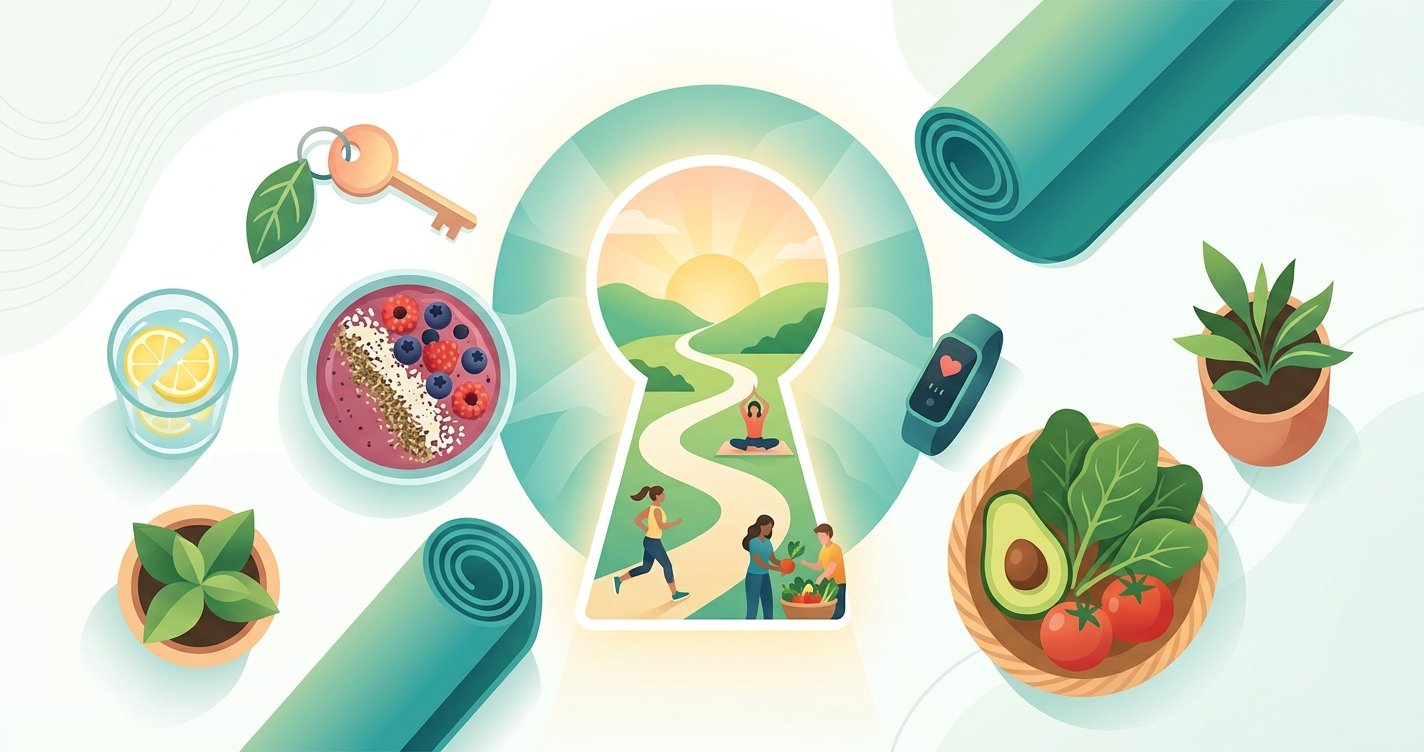
Have you ever felt caught in the frustrating cycle of diet after diet, only to see the weight creep back on? You're not alone. The world of fat loss is often dominated by quick fixes, extreme restrictions, and promises that rarely deliver long-term results. But what if there was a better way? A way that focuses not just on shedding pounds, but on building habits that last, improving your health, and transforming your relationship with food and your body?
Welcome to the guide to sustainable fat loss. This isn't about deprivation; it's about empowerment. It's about understanding the science behind true, lasting change and adopting a holistic approach that nurtures both your physical and mental well-being. We'll explore evidence-based strategies for nutrition, movement, and mindset, helping you forge a path to a healthier, happier you – for good! this excellent wellness product
The Core Principle: Energy Deficit, Sustainably Achieved
At its heart, fat loss boils down to one fundamental scientific principle: creating an energy deficit. This means consuming fewer calories than your body expends. When your body doesn't get enough energy from food, it turns to stored fat for fuel. Simple, right? In theory, yes. In practice, the 'how' is where sustainability comes in.
The key isn't to starve yourself or cut calories to extreme levels. While this might lead to rapid initial weight loss, it's often unsustainable, can lead to muscle loss (which is counterproductive for metabolism), and can wreak havoc on your hormones and mental health. A sustainable energy deficit is moderate, allowing you to feel satisfied, energetic, and nourished while consistently prompting your body to tap into fat stores.
Research consistently shows that a gradual, consistent calorie deficit (typically 300-500 calories below maintenance) is far more effective for long-term fat loss and weight management than drastic cuts. It fosters adherence and minimizes the metabolic slowdown often associated with aggressive dieting.
Nutrition That Nourishes: Fueling Your Fat Loss Journey
Food is not the enemy; it's your fuel! The right nutritional choices are paramount for sustainable fat loss, supporting your energy levels, satiety, and overall health.
Prioritize Protein: The Satiety Superstar
If there's one macronutrient to focus on, it's protein. Studies confirm that a higher protein intake is incredibly beneficial for fat loss. Here's why:
- Satiety: Protein keeps you feeling fuller for longer, reducing cravings and overall calorie intake.
- Muscle Preservation: When you're in a calorie deficit, adequate protein helps prevent muscle loss, which is crucial for maintaining a healthy metabolism.
- Thermic Effect: Protein has a higher thermic effect of food (TEF) than carbs or fats, meaning your body burns more calories digesting it.
Aim for a protein source at every meal: lean meats, poultry, fish, eggs, dairy, legumes, tofu, or protein powder.
Embrace Whole Foods: Ditching the Processed Trap
Whole, unprocessed foods are your best friends. They are typically rich in fiber, vitamins, and minerals, and generally have a lower calorie density compared to their processed counterparts. Think about it: a handful of almonds will fill you up more and provide more nutrients than a handful of chips for the same calorie count.
Focus on a plate rich in:
- Fresh fruits and vegetables
- Whole grains (oats, quinoa, brown rice)
- Lean proteins
- Healthy fats (avocado, nuts, seeds, olive oil)
These foods provide sustained energy, help regulate blood sugar, and support gut health – all vital components of sustainable fat loss.
Smart Carb & Fat Choices: It's Not About Elimination
Contrary to popular diet trends, you don't need to eliminate entire food groups. The key is making smart choices. For carbohydrates, opt for complex carbs that provide fiber and sustained energy, rather than refined sugars and white flours that lead to energy crashes. For fats, prioritize healthy unsaturated fats, which are essential for hormone production, nutrient absorption, and satiety, in moderation.
Hydration: The Unsung Hero
Don't underestimate the power of water! Staying adequately hydrated supports metabolism, can help reduce hunger cues (sometimes thirst is mistaken for hunger), and is essential for virtually every bodily function. Aim for at least 8 glasses of water a day, more if you're active.
Move Your Body, Love Your Body: Exercise for Fat Loss and Beyond
Exercise isn't just about burning calories; it's about building a stronger, healthier, and more resilient body. While nutrition drives the majority of fat loss, movement plays a critical role in body composition, metabolic health, and overall well-being.
Strength Training: Your Metabolic Multiplier
If you're serious about sustainable fat loss, strength training should be a cornerstone of your routine. Lifting weights (or using your body weight) builds muscle, and muscle is metabolically active tissue. This means the more muscle you have, the more calories your body burns at rest.
- Increased Resting Metabolism: Muscle burns more calories at rest than fat.
- Body Recomposition: Strength training helps you lose fat while gaining or preserving muscle, leading to a leaner, more toned physique.
- Improved Bone Density: A fantastic bonus for long-term health.
Aim for 2-4 strength training sessions per week, focusing on compound movements that work multiple muscle groups.
Cardio: Heart Health & Calorie Burn
Cardiovascular exercise is excellent for heart health, endurance, and burning extra calories. You don't need to spend hours on the treadmill, though! Find activities you genuinely enjoy:
- Steady-State Cardio: Walking, jogging, cycling, swimming – great for calorie burn and stress reduction.
- High-Intensity Interval Training (HIIT): Short bursts of intense exercise followed by recovery periods. Efficient for calorie burn and improving fitness.
Mix it up! The best cardio is the cardio you'll consistently do.
NEAT: The Everyday Advantage
Non-Exercise Activity Thermogenesis (NEAT) refers to the calories you burn through everyday movements not related to structured exercise. Think walking, standing, fidgeting, taking the stairs. These small movements add up significantly over the course of a day and week. Look for opportunities to increase your NEAT: park further away, take standing breaks, walk during phone calls. It’s a powerful, often overlooked, component of overall energy expenditure.
The Mindset Shift: Cultivating a Sustainable Approach
True, lasting fat loss is as much about your mind as it is about your body. Cultivating the right mindset is crucial for navigating challenges and staying committed to your goals.
Patience is Power: Ditching the Instant Gratification Mindset
Fat loss is a marathon, not a sprint. The scale might fluctuate, progress might seem slow, and that's okay. Understand that sustainable change takes time. Celebrate non-scale victories – improved energy, better sleep, stronger lifts, clothes fitting better. These are often more indicative of true progress than the number on the scale.
Consistency Over Perfection: Bouncing Back Stronger
No one is perfect. There will be days when you overeat, miss a workout, or feel discouraged. The key isn't to be perfect, but to be consistent. One 'off' meal or day doesn't derail your entire journey. Acknowledge it, learn from it, and get back on track with your next meal or workout. Resilience and consistency are far more powerful than fleeting perfection.
Sleep & Stress Management: Often Overlooked, Always Important
Lack of sleep and chronic stress can sabotage your fat loss efforts, even if your diet and exercise are on point. Research shows that insufficient sleep disrupts hormones that regulate hunger (ghrelin and leptin), leading to increased cravings and appetite. Chronic stress elevates cortisol levels, which can promote fat storage, especially around the midsection.
Prioritize 7-9 hours of quality sleep per night. Incorporate stress-reducing activities into your daily routine, whether it's meditation, reading, spending time in nature, or listening to music. Your body and mind will thank you.
Building Your Toolkit: Practical Habits for Success
Sustainable fat loss isn't about grand gestures; it's about consistently implementing small, actionable habits that build up over time.
Meal Planning & Prep: Your Future Self Will Thank You
One of the biggest hurdles to healthy eating is convenience. When you're hungry and unprepared, processed, high-calorie options become far more tempting. Dedicate some time each week to planning your meals and preparing some components in advance. This could mean chopping vegetables, cooking a batch of grains, or portioning out proteins. It significantly reduces decision fatigue and makes healthy choices easier.
Mindful Eating: Savoring Every Bite
Slow down and truly experience your food. Mindful eating involves paying attention to your hunger and fullness cues, savoring the flavors and textures, and eating without distractions. This practice can help you recognize when you're truly satisfied, preventing overeating and fostering a healthier relationship with food.
Tracking (Initially): Awareness is Key
For many, initially tracking food intake (calories, protein) and activity levels can be incredibly insightful. It provides an objective look at your habits, helping you identify areas for improvement and ensuring you're hitting your targets. This doesn't have to be a lifelong commitment, but a period of tracking can educate you on portion sizes, nutrient density, and your personal energy needs, empowering you to make informed choices without constant logging.
Your Journey to a Healthier You
Sustainable fat loss isn't a destination; it's a journey of self-discovery, consistency, and self-compassion. It's about letting go of the quick-fix mentality and embracing a lifestyle that nourishes your body, strengthens your mind, and brings you lasting health and happiness. By focusing on a moderate energy deficit, prioritizing whole foods and protein, incorporating strength training and enjoyable movement, and nurturing a resilient mindset, you are building a foundation for success that extends far beyond the scale.
Remember, every small, consistent step forward is progress. Be patient with yourself, celebrate your efforts, and trust the process. You have the power to create lasting change and unlock the healthier, more vibrant life you deserve. Start today, one sustainable habit at a time!