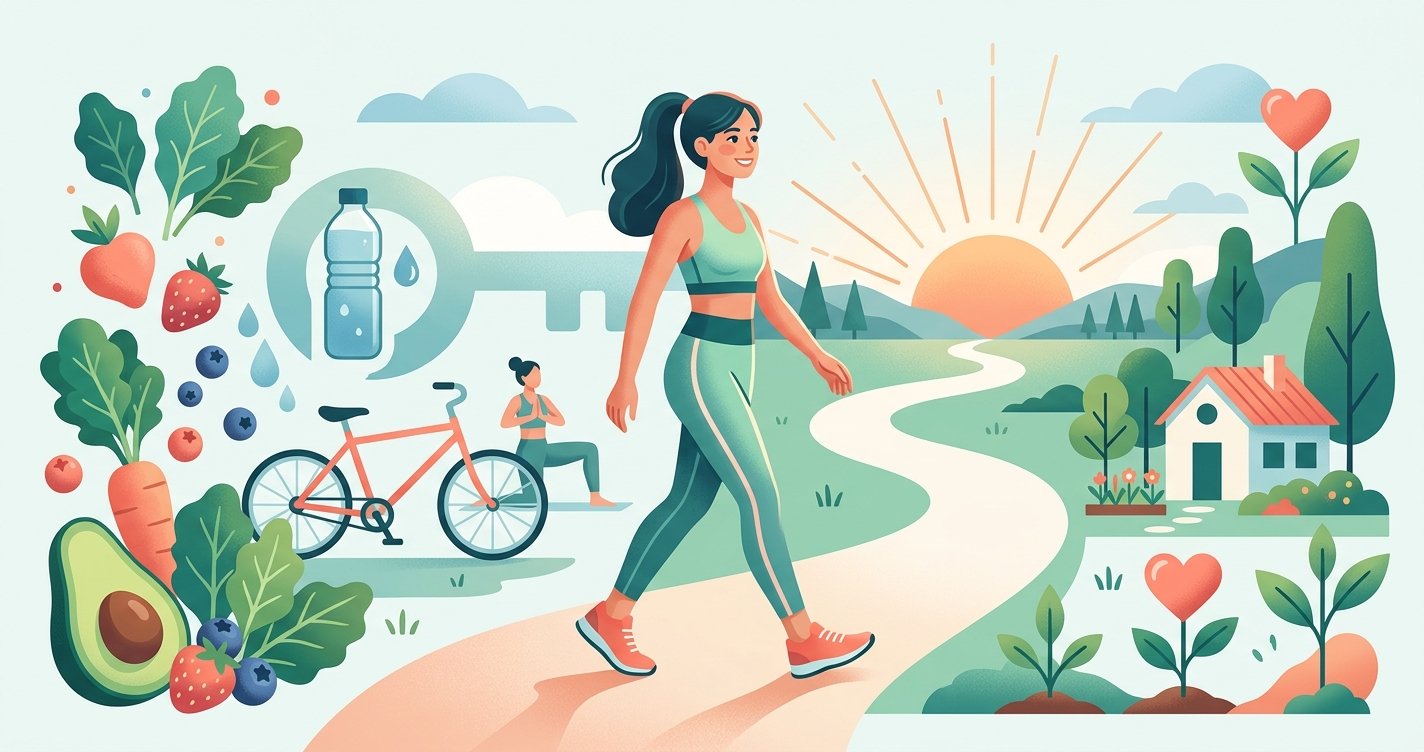
Hey there, future you! If you're reading this, chances are you've been on the fat loss rollercoaster – the one with exhilarating highs of initial progress and frustrating lows of plateaus and rebound weight gain. You’ve probably tried every diet under the sun, from the extreme to the just plain bizarre, only to find yourself back where you started, perhaps even more disheartened. It’s a common story, and it’s not your fault. The world of quick fixes and miracle cures often sets us up for disappointment.
But what if I told you there’s a path to sustainable fat loss that doesn’t involve deprivation, endless cardio, or sacrificing your favorite foods forever? A path that builds lasting habits, celebrates small victories, and truly transforms your relationship with your body and food? That’s what we’re going to explore today. This isn't about a diet; it's about a lifestyle shift rooted in evidence-based strategies, designed for real people living real lives. Let’s ditch the quick fixes and embrace a journey towards lasting health, energy, and confidence. this excellent wellness product
Why Crash Diets Fail (And What to Do Instead)
Before we dive into what works, let’s briefly understand why most extreme diets are a dead end. Crash diets, often characterized by severe calorie restriction or the elimination of entire food groups, might offer rapid initial weight loss. However, this loss is frequently water weight and muscle, not just fat. Your body, designed for survival, perceives this drastic reduction as a threat. It adapts by slowing down your metabolism to conserve energy, making it harder to lose weight and easier to regain it once you return to normal eating patterns.
Furthermore, these restrictive approaches are incredibly difficult to maintain long-term. They lead to intense cravings, feelings of deprivation, and often result in a cycle of binging and guilt. This isn't just physically taxing; it's emotionally exhausting. The solution isn't to starve yourself, but to nourish your body intelligently and consistently. Sustainable fat loss focuses on gradual, manageable changes that you can stick with for life, fostering a healthy metabolism and a positive mindset.
Focus on Gradual, Habit-Based Changes:
- Small Steps: Instead of overhauling everything, pick one or two habits to change at a time.
- Consistency Over Perfection: It’s better to be 80% consistent 100% of the time than 100% perfect 20% of the time.
- Listen to Your Body: Pay attention to hunger and fullness cues, and how different foods make you feel.
The Cornerstone of Fat Loss: A Smart Calorie Deficit
At its core, fat loss boils down to one fundamental principle: you need to consume fewer calories than your body burns. This is known as a calorie deficit. While it sounds simple, the magic is in *how* you achieve this deficit sustainably, without feeling constantly hungry or deprived.
A smart calorie deficit doesn't mean eating next to nothing. It means making mindful choices that allow you to reduce your overall calorie intake while still providing your body with essential nutrients. Think of it as a gentle nudge, not a harsh shove. Aim for a moderate deficit of 300-500 calories per day, which typically leads to a healthy and sustainable fat loss of 1-2 pounds per week. This approach preserves muscle mass, keeps your metabolism humming, and is much easier to maintain.
How to Achieve a Smart Calorie Deficit:
- Prioritize Whole Foods: They are generally less calorie-dense and more nutrient-rich.
- Be Mindful of Portions: Especially with calorie-dense foods like nuts, oils, and dressings.
- Track (Initially): For a few weeks, tracking your food intake can help you understand your current eating habits and identify areas for improvement. You don't have to do it forever, but it's an excellent educational tool.
Fueling Your Body Right: Nutrition for Sustainable Results
When it comes to fat loss, what you eat is just as important as how much. Focusing on nutrient-dense foods will keep you feeling full, energized, and satisfied, making your calorie deficit much more manageable. Here’s a breakdown of the macronutrients and how to optimize them:
Protein: Your Satiety Superpower
Protein is your best friend for fat loss. It’s highly satiating, meaning it keeps you feeling fuller for longer, reducing the likelihood of snacking between meals. Furthermore, protein has a higher thermic effect of food (TEF) than carbs or fats, meaning your body burns more calories digesting it. Crucially, adequate protein intake helps preserve precious muscle mass during a calorie deficit, which is vital for maintaining a healthy metabolism. Aim for 20-30 grams of protein per meal.
- Sources: Lean meats (chicken, turkey, fish), eggs, Greek yogurt, cottage cheese, legumes, tofu, protein powder.
Healthy Fats: Essential for Hormones and Fullness
Don't fear fats! While calorie-dense, healthy fats are crucial for hormone production, nutrient absorption, and long-term satiety. They slow down digestion, helping you stay full. The key is moderation and choosing the right kinds of fats.
- Sources: Avocados, nuts, seeds, olive oil, fatty fish (salmon, mackerel).
Complex Carbohydrates: Sustained Energy and Fiber
Carbohydrates are your body's primary energy source. Opt for complex carbohydrates, which are rich in fiber. Fiber promotes digestive health, helps regulate blood sugar levels, and contributes significantly to feelings of fullness. Avoid excessive amounts of refined sugars and processed carbs, which offer little nutritional value and can lead to energy crashes.
- Sources: Whole grains (oats, brown rice, quinoa), sweet potatoes, fruits, vegetables.
Hydration: Often Overlooked, Always Essential
Drinking plenty of water is incredibly important. It helps with metabolism, can reduce feelings of hunger (sometimes thirst is mistaken for hunger), and supports overall bodily functions. Aim for at least 8 glasses (2 liters) a day, and more if you're active.
Move Your Body: Exercise for Fat Loss and Beyond
While nutrition is paramount, exercise plays a critical role in accelerating fat loss, improving body composition, and boosting overall health. It's not just about burning calories; it's about building strength, improving cardiovascular health, and enhancing your mood.
Strength Training: Build Muscle, Boost Metabolism
This is often the unsung hero of fat loss. Lifting weights (or using your body weight) builds muscle. The more muscle you have, the more calories your body burns at rest, even when you're just sitting on the couch! Aim for 2-3 full-body strength training sessions per week. You don't need a gym; bodyweight exercises like squats, push-ups, and planks are incredibly effective.
Cardio: Heart Health and Calorie Burn
Cardiovascular exercise, like brisk walking, jogging, cycling, or swimming, is excellent for burning calories and improving heart health. It can also be a fantastic stress reliever. While important, remember that you can't out-train a poor diet. Aim for 150-300 minutes of moderate-intensity cardio per week.
NEAT: The Power of Everyday Movement
NEAT (Non-Exercise Activity Thermogenesis) refers to the calories you burn through all your daily activities that aren't formal exercise. Think walking to the store, taking the stairs, fidgeting, cleaning, or gardening. Increasing your NEAT can significantly contribute to your overall calorie expenditure without feeling like a workout. Get a step tracker and aim for 8,000-10,000 steps a day!
The Unsung Heroes: Sleep, Stress, and Mindset
You can eat perfectly and exercise diligently, but if you neglect these crucial lifestyle factors, your fat loss journey will be an uphill battle.
Sleep: The Ultimate Recovery Tool
Lack of sleep wreaks havoc on your hormones. It increases ghrelin (the hunger hormone) and decreases leptin (the satiety hormone), making you feel hungrier and less satisfied. It also elevates cortisol, the stress hormone, which can promote fat storage, especially around the belly. Aim for 7-9 hours of quality sleep per night.
Stress Management: Taming Cortisol
Chronic stress, much like sleep deprivation, leads to elevated cortisol levels. This not only encourages fat storage but can also lead to emotional eating as a coping mechanism. Find healthy ways to manage stress: meditation, yoga, spending time in nature, hobbies, or talking to a friend.
Mindset: Patience, Persistence, and Self-Compassion
Sustainable fat loss is a marathon, not a sprint. There will be good days and bad days, plateaus, and moments of frustration. Cultivate patience, celebrate non-scale victories (like increased energy, stronger lifts, better sleep), and practice self-compassion. Don't let a single 'slip-up' derail your entire journey. Learn from it, adjust, and move forward.
Building Sustainable Habits for Life
The key to lasting success lies in making these changes habits, not temporary fixes. Here are a few practical tips to help you integrate these strategies into your daily life:
- Meal Prep: Dedicate a few hours each week to prepare healthy meals and snacks. This makes healthy eating effortless during busy weekdays.
- Plan Your Workouts: Schedule your exercise sessions like important appointments.
- Find Activities You Enjoy: If you hate running, don't force it. Find a form of movement you genuinely like – dancing, hiking, swimming – and you'll be more likely to stick with it.
- Seek Support: Share your goals with friends or family, or consider working with a qualified coach or dietitian for personalized guidance.
- Learn to Cook Healthily: Experiment with new recipes and cooking methods to make healthy eating exciting.
Embrace Your Journey to Lasting Health
Sustainable fat loss isn't about chasing a number on the scale; it's about building a healthier, stronger, and more vibrant you. It’s about understanding your body, nourishing it with respect, and moving it with joy. It’s a journey of self-discovery and empowerment, where small, consistent steps lead to profound and lasting transformation. Ditch the frustration of crash diets and embrace a path that promises not just a leaner body, but a life filled with energy, confidence, and well-being. You’ve got this!