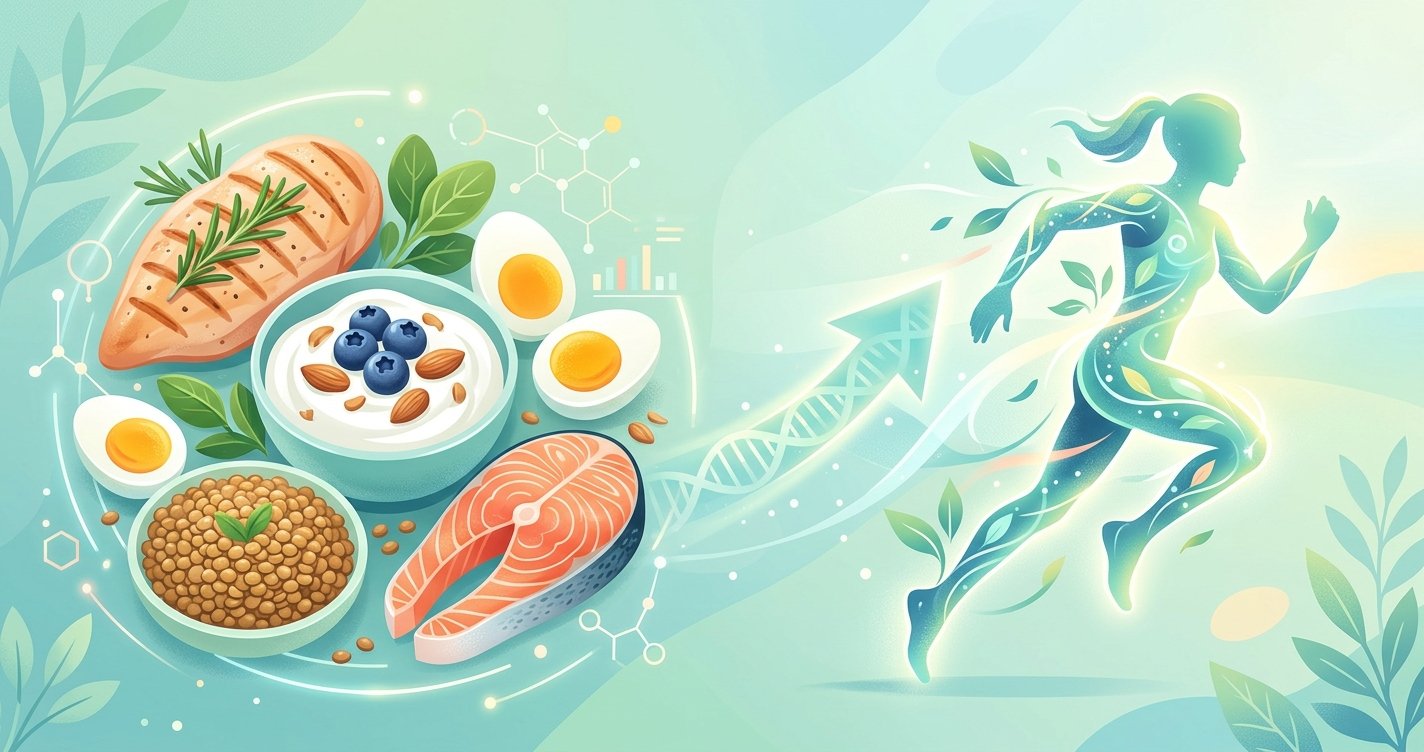
Tired of Yo-Yo Dieting? Discover the Sustainable Secret to Fat Loss!
You’ve tried countless diets, battled intense cravings, and maybe even seen the scale budge, only for the lost weight to creep back. Sound familiar? If you’re nodding along, you’re not alone. The journey to sustainable fat loss can feel like an uphill battle, but what if there was a powerful, evidence-based strategy that could make it feel easier, keep you fuller, and even boost your metabolism? Enter the high-protein diet.
Protein isn't just for bodybuilders; it's a fundamental macronutrient crucial for everyone, especially those aiming for effective and lasting fat loss. Far from a restrictive fad, incorporating more protein into your daily meals is a friendly, sustainable, and incredibly effective approach that science consistently backs. Ready to understand why protein is your ultimate ally in achieving your fat loss goals without feeling deprived? Let's dive in! this excellent wellness product
Why Protein is Your Fat Loss MVP (Most Valuable Player)
Calling protein a ‘game-changer’ for fat loss isn’t an exaggeration. It plays multiple critical roles that directly contribute to shedding unwanted fat while preserving valuable muscle. Let’s break down the science:
1. The Satiety Factor: Feeling Full, Naturally
One of the biggest hurdles in any fat loss journey is hunger. Constant cravings and a rumbling stomach can derail even the most determined efforts. This is where protein shines! Protein is renowned for its ability to increase satiety – that wonderful feeling of fullness and satisfaction after a meal. Studies consistently show that protein is more satiating than carbohydrates or fats, meaning a high-protein meal can keep you feeling fuller for longer. This natural suppression of appetite can lead to reduced overall calorie intake without the constant struggle against hunger pangs, making it easier to stick to your fat loss plan.
2. Boosting Your Metabolism: The Thermic Effect of Food (TEF)
Did you know that your body actually burns calories just to digest, absorb, and process the nutrients from your food? This is known as the Thermic Effect of Food (TEF), and protein has the highest TEF of all macronutrients. Roughly 20-30% of the calories you consume from protein are used up in its digestion, compared to 5-10% for carbohydrates and 0-3% for fats. What does this mean for you? By increasing your protein intake, you’re essentially getting a small, continuous metabolic boost throughout the day. It’s like a tiny internal furnace helping you burn more calories, effortlessly!
3. Preserving Muscle: The Key to a Faster Metabolism
When you lose weight, you want to lose fat, not muscle. Unfortunately, traditional restrictive diets often lead to a loss of both. This is problematic because muscle tissue is metabolically active, meaning it burns more calories at rest than fat tissue. Losing muscle can slow down your metabolism, making it harder to maintain fat loss in the long run. A higher protein intake, especially when combined with resistance training, is crucial for preserving lean muscle mass during a calorie deficit. By protecting your muscle, you maintain a more robust metabolism, making your fat loss sustainable and preventing the dreaded rebound effect.
How Much Protein Do You Really Need? (Evidence-Based Guidelines)
So, you’re convinced protein is powerful, but how much is enough? General dietary guidelines often recommend a modest amount, but for fat loss and muscle preservation, higher intakes are typically more beneficial. While individual needs can vary based on activity level, age, and specific goals, here are some evidence-backed recommendations:
- For general fat loss: Aim for approximately 1.6 to 2.2 grams of protein per kilogram of body weight per day (or 0.7 to 1 gram per pound of body weight).
- If you’re highly active or doing resistance training: You might benefit from the higher end of this range, or even slightly above, up to 2.5 grams per kilogram.
- Spread it out: Instead of consuming all your protein in one meal, aim to distribute it evenly throughout the day across 3-5 meals and snacks. This optimizes muscle protein synthesis and satiety.
Remember, these are general guidelines. Listening to your body and consulting with a healthcare professional or registered dietitian can help you tailor these recommendations to your unique circumstances.
Smart Strategies to Maximize Your Protein Intake
Knowing you need more protein is one thing; actually getting it into your diet is another. Here are some friendly and practical strategies to boost your protein intake seamlessly:
1. Prioritize Protein at Every Meal
Make protein the star of your plate! Instead of adding protein as an afterthought, build your meals around a quality protein source. Think eggs, Greek yogurt, or a protein smoothie for breakfast; chicken breast, fish, or lentils for lunch; and lean beef, tofu, or beans for dinner. Aim for at least 20-30 grams of protein per main meal.
2. Smart Snacking: Protein Power-Ups
Ditch the empty-calorie snacks and opt for protein-rich alternatives. Hard-boiled eggs, a handful of almonds, cottage cheese, Greek yogurt, jerky, or a small protein shake can keep hunger at bay between meals and contribute significantly to your daily protein target. These snacks can prevent you from overeating at your next main meal.
3. Don't Forget Plant-Based Proteins!
You don't need to be a meat-eater to enjoy the benefits of a high-protein diet. Plant-based proteins are abundant and offer a wealth of fiber and micronutrients. Excellent sources include lentils, chickpeas, black beans, edamame, tofu, tempeh, quinoa, seitan, nutritional yeast, and various nuts and seeds. Combining different plant proteins throughout the day can ensure you get all essential amino acids.
4. Supplementing (Wisely): When and How
While whole foods should always be your primary source of protein, supplements like whey, casein, or plant-based protein powders can be a convenient and effective way to meet your protein goals, especially on busy days or post-workout. They are not magic pills but a tool to help bridge the gap. Always choose high-quality products with minimal added sugars and artificial ingredients.
Beyond Protein: Integrating for Overall Success
While protein is a powerful tool, it's part of a larger picture. For truly sustainable fat loss and overall health, consider these complementary factors:
- Balanced Nutrition: Don't neglect healthy fats (avocado, nuts, olive oil) and complex carbohydrates (whole grains, fruits, vegetables). They provide essential nutrients, energy, and fiber.
- Hydration: Drink plenty of water throughout the day. Sometimes thirst is mistaken for hunger.
- Movement & Exercise: Incorporate regular physical activity, especially strength training, to build and maintain muscle mass, further boosting your metabolism.
- Sleep & Stress Management: Poor sleep and chronic stress can wreak havoc on your hormones, making fat loss incredibly difficult. Prioritize quality sleep and find healthy ways to manage stress.
- Consistency & Patience: Fat loss is a journey, not a race. Be consistent with your efforts and patient with your body. Results take time, but they are worth it!
Common Myths About High-Protein Diets (Busting Misconceptions)
You might have heard some concerns about high-protein diets, but let’s set the record straight with evidence:
- Kidney Damage: For healthy individuals with normal kidney function, a high-protein diet has NOT been shown to cause kidney damage. In fact, studies suggest it’s safe and beneficial. However, if you have pre-existing kidney disease, consult your doctor.
- Bone Health: Early concerns suggested protein might leach calcium from bones. Modern research indicates that adequate protein intake, particularly when combined with sufficient calcium and vitamin D, actually supports bone health and can reduce the risk of fractures.
Always base your dietary choices on current scientific evidence, not outdated myths.
Your Sustainable Fat Loss Journey Starts Now!
You now have the scientific backing and practical strategies to harness the incredible power of protein for sustainable fat loss. It's not about deprivation; it's about smart, satisfying nutrition that works with your body, not against it. By prioritizing protein, you'll feel fuller, boost your metabolism, preserve muscle, and set yourself up for long-term success.
Remember, this is your journey. Be kind to yourself, celebrate small victories, and stay consistent. Start by making one small change today – perhaps adding a protein-rich snack or ensuring protein is on your breakfast plate. You have the power to transform your body and your relationship with food, one delicious, protein-packed meal at a time. You've got this!