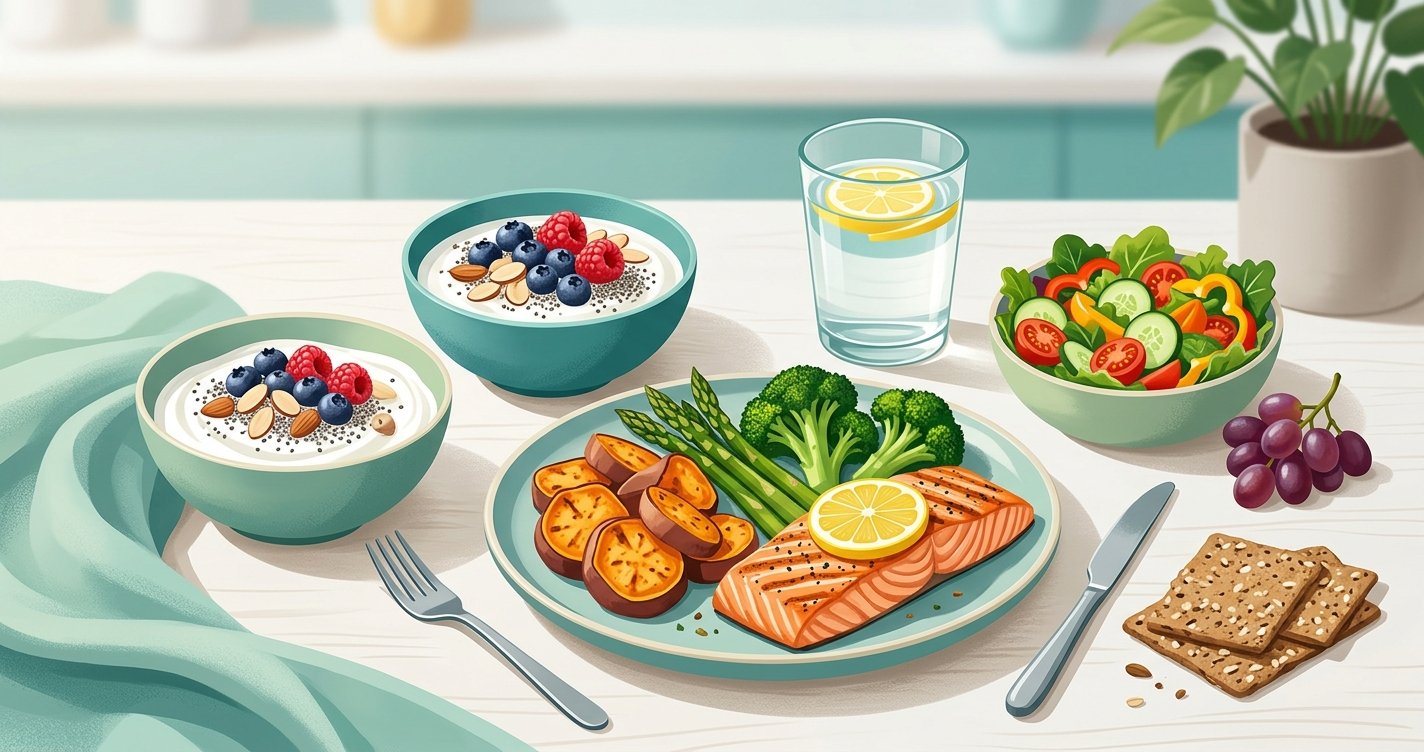
Tired of Yo-Yo Diets? Discover the Sustainable Path to Fat Loss!
If you've been on the fat loss roller coaster – trying restrictive diets, feeling deprived, and then regaining the weight – you're not alone. Many people fall into the trap of quick fixes that promise rapid results but deliver unsustainable habits and frustration. The truth is, lasting fat loss isn't about deprivation; it's about smart, sustainable nutrition that nourishes your body, keeps you feeling full, and supports your metabolism.
Today, we're diving deep into the power of a high-protein, whole food approach to fat loss. This isn't another fad; it's an evidence-based strategy designed to help you shed unwanted fat, build a healthier relationship with food, and maintain your results for the long haul. Let's ditch the diet mentality and embrace a lifestyle that truly works! this excellent wellness product
The Foundation: Why Sustainable Nutrition Matters for Fat Loss
Before we talk about what to eat, let's understand why 'how' you eat is so crucial. Crash diets often lead to muscle loss, a slower metabolism, and an inevitable rebound in weight. They're difficult to stick with because they ignore your body's natural hunger cues and nutritional needs. Sustainable nutrition, on the other hand, focuses on creating a slight calorie deficit – eating fewer calories than you burn – but doing so in a way that fuels your body, maintains muscle mass, and is enjoyable enough to become a consistent habit.
Think of it as building a strong house. You wouldn't use flimsy materials and expect it to last, right? Your body is the same. By providing it with nutrient-dense, satisfying foods, you create a robust foundation for fat loss that supports your overall health and well-being, not just the number on the scale.
Power Up with Protein: Your Fat Loss Ally
Why Protein is King for Fat Loss
Protein is arguably the most critical macronutrient when it comes to fat loss, and for good reason:
- Satiety Superstar: Protein helps you feel fuller for longer, significantly reducing cravings and overall calorie intake. It's the most satiating of the three macronutrients (protein, carbs, fats).
- Muscle Preservation: When you're in a calorie deficit, your body might start breaking down muscle for energy. Adequate protein intake helps preserve precious muscle mass, which is vital for a healthy metabolism. More muscle means your body burns more calories at rest!
- Thermic Effect of Food (TEF): Protein has a higher TEF than carbohydrates or fats, meaning your body burns more calories digesting and metabolizing protein-rich foods. It's like a mini metabolic boost with every meal!
How Much Protein Do You Really Need?
While individual needs vary, a good general guideline for fat loss is to aim for 1.6 to 2.2 grams of protein per kilogram of body weight (or roughly 0.7 to 1 gram per pound of body weight) daily. Spreading your protein intake evenly across your meals can also help maximize its benefits.
Top Protein Sources to Fuel Your Journey
Incorporating a variety of these high-quality protein sources into your diet will make a significant difference:
- Lean Meats: Chicken breast, turkey, lean beef, pork loin.
- Fish & Seafood: Salmon, cod, tuna, shrimp (rich in omega-3s too!).
- Eggs: A complete protein powerhouse, versatile and affordable.
- Dairy: Greek yogurt, cottage cheese, milk (opt for low-fat or fat-free if desired).
- Legumes & Beans: Lentils, black beans, chickpeas (great plant-based options).
- Tofu & Tempeh: Excellent plant-based protein sources for vegetarians and vegans.
- Protein Powder: Whey, casein, soy, or plant-based protein powders can be a convenient supplement, especially post-workout or for busy days.
Embrace Whole Foods: Nature's Toolkit for a Leaner You
While protein is a cornerstone, building your diet around whole, unprocessed foods is equally essential. Whole foods are foods that are as close to their natural state as possible, with minimal processing and no added sugars, unhealthy fats, or artificial ingredients.
The Magic of Fiber and Micronutrients
Whole foods are packed with fiber, vitamins, and minerals (micronutrients) that are often stripped away in processed alternatives.
- Fiber Power: Fiber adds bulk to your meals, promoting satiety and aiding digestion. It also helps regulate blood sugar levels, preventing energy crashes and subsequent cravings.
- Nutrient Density: Eating nutrient-dense whole foods ensures your body gets all the essential vitamins and minerals it needs to function optimally. When your body is well-nourished, it's less likely to send out hunger signals in search of missing nutrients.
Navigating Carbohydrates: Friend or Foe?
Carbohydrates have often been demonized in the world of fat loss, but they are your body's primary energy source. The key is choosing the right kind:
- Complex Carbohydrates: Found in whole grains (oats, brown rice, quinoa), fruits, and vegetables, these are rich in fiber and provide sustained energy. They prevent blood sugar spikes and crashes, keeping you feeling energized and focused.
- Skip the Refined Carbs: Highly processed carbs like white bread, sugary cereals, and pastries offer little nutritional value and can lead to rapid energy spikes followed by slumps, often resulting in increased hunger.
Healthy Fats: Essential, Not Evil
Just like carbs, fats have received a bad rap, but healthy fats are absolutely crucial for hormone production, nutrient absorption (especially fat-soluble vitamins A, D, E, K), and overall health. They also contribute to satiety.
Focus on incorporating sources like:
- Avocado
- Nuts and seeds (almonds, walnuts, chia seeds, flax seeds)
- Olive oil and other healthy cooking oils
- Fatty fish (salmon, mackerel)
Remember, fats are calorie-dense, so moderation is key even with healthy sources.
Practical Strategies for Long-Term Success
Knowing what to eat is one thing; putting it into practice consistently is another. Here are some actionable strategies:
Meal Planning & Preparation: Your Secret Weapon
Failing to plan is planning to fail. Dedicate some time each week to plan your meals and snacks. Batch cooking protein sources (like chicken breast or hard-boiled eggs) and chopping vegetables ahead of time can save you immense time and ensure you always have healthy options readily available.
Mindful Eating: Listen to Your Body
Beyond what you eat, how you eat matters. Practice mindful eating by slowing down, savoring each bite, and paying attention to your body's hunger and fullness cues. Avoid distractions like screens during meals. This helps you recognize true hunger versus emotional eating and prevents overeating.
Hydration: Often Overlooked, Always Important
Drinking enough water is a simple yet powerful tool for fat loss. Water can help you feel full, supports metabolic processes, and sometimes, what feels like hunger is actually thirst. Aim for at least 8 glasses of water a day, more if you're active.
Beyond the Plate: Lifestyle Factors That Support Fat Loss
While nutrition is paramount, sustainable fat loss is a holistic journey. Don't forget these crucial lifestyle factors:
- Prioritize Sleep: Lack of sleep can disrupt hunger-regulating hormones (ghrelin and leptin), leading to increased cravings and a harder time making healthy food choices. Aim for 7-9 hours of quality sleep per night.
- Manage Stress: Chronic stress can elevate cortisol levels, which can promote fat storage, especially around the midsection. Incorporate stress-reducing activities like meditation, yoga, or spending time in nature.
- Stay Active: While you can't out-train a bad diet, regular physical activity, especially strength training, complements your nutritional efforts by building muscle, burning calories, and improving overall health.
You've Got This!
Sustainable fat loss isn't about perfection; it's about consistency and progress. By focusing on a high-protein, whole food approach, you're not just losing weight – you're building a healthier, stronger, and more vibrant you. Start small, make one positive change today, and celebrate every step of your journey. Your body will thank you!