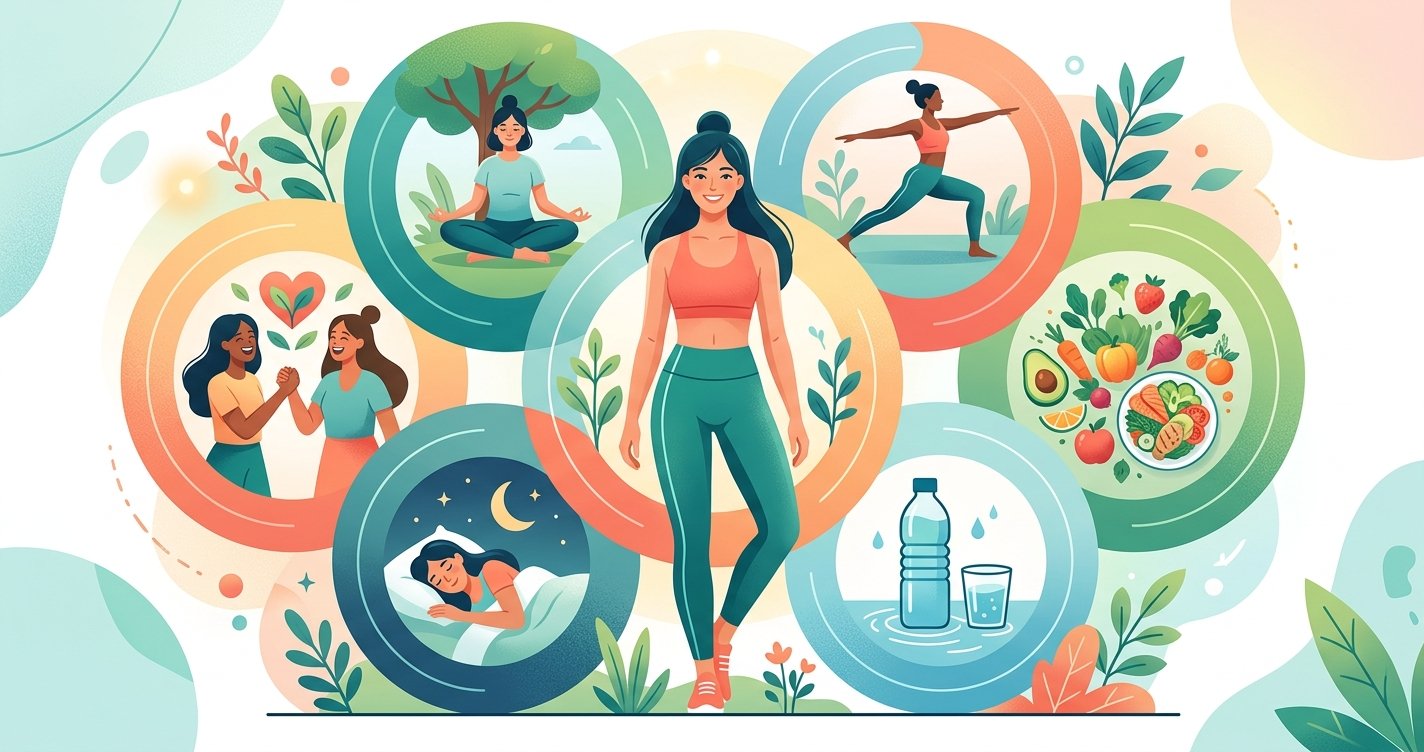
Are you stuck in the frustrating cycle of losing weight only to gain it back? Have you tried every diet and workout plan under the sun, only to feel exhausted and discouraged? You're not alone. Many people approach fat loss as a simple equation of "eat less, move more," but the truth is, our bodies are far more complex than that. Sustainable fat loss isn't just about calorie counting or grueling gym sessions; it's about nurturing your entire well-being. It's time to shift your perspective from quick fixes to a holistic, evidence-based approach that addresses your body, mind, and lifestyle. This isn't about deprivation; it's about empowerment and building lasting habits that lead to a healthier, happier you.
Beyond Calories In, Calories Out: The Bigger Picture
While the principle of "calories in versus calories out" (CICO) is foundational to fat loss, it's an oversimplification to think it's the only factor. Your body is a finely tuned system influenced by hormones, stress levels, sleep quality, gut health, and even your mindset. Ignoring these crucial elements is like trying to drive a car with a flat tire – you might get somewhere, but it'll be a bumpy, inefficient, and ultimately unsustainable journey. True sustainable fat loss requires understanding and optimizing these often-overlooked components that dictate how your body stores and utilizes fat. this excellent wellness product
The Power of Quality Sleep for Fat Loss
Why Sleep is Your Secret Weapon
Think of sleep as your body's nightly repair and reset button. When you skimp on sleep, you're not just tired; you're actively hindering your fat loss efforts. Research consistently shows a strong link between inadequate sleep (less than 7-9 hours per night) and increased body fat, particularly around the midsection. Here's why:
- Hormonal Havoc: Lack of sleep disrupts key appetite-regulating hormones. Ghrelin, the "hunger hormone," increases, making you feel hungrier, while leptin, the "satiety hormone," decreases, meaning you feel less full. This can lead to increased cravings for high-calorie, sugary foods.
- Cortisol Spike: Poor sleep elevates cortisol, your body's primary stress hormone. Chronic high cortisol levels are associated with increased abdominal fat storage and insulin resistance.
- Reduced Insulin Sensitivity: Just one night of poor sleep can reduce your body's insulin sensitivity, making it harder for your cells to absorb glucose from your bloodstream. This can lead to higher blood sugar levels and increased fat storage.
- Decreased Motivation & Energy: When you're sleep-deprived, your energy levels plummet, making it harder to stick to your workout routine or even make healthy food choices.
How to Optimize Your Sleep
- Stick to a Schedule: Go to bed and wake up at roughly the same time every day, even on weekends.
- Create a Relaxing Bedtime Routine: Wind down with a warm bath, reading, or gentle stretching.
- Optimize Your Sleep Environment: Keep your bedroom dark, quiet, and cool.
- Limit Screen Time: Avoid screens (phones, tablets, TVs) at least an hour before bed.
- Watch Caffeine & Alcohol Intake: Limit caffeine in the afternoon and alcohol close to bedtime.
Taming the Stress Monster: Its Impact on Your Waistline
The Stress-Fat Connection
In today's fast-paced world, chronic stress has become an unfortunate constant for many. While acute stress can be motivating, prolonged stress is a silent sabotage to your fat loss goals. When you're stressed, your body perceives a threat (even if it's just a looming deadline or a difficult conversation) and releases a cascade of hormones, primarily cortisol and adrenaline.
As mentioned, elevated cortisol levels signal your body to store fat, particularly visceral fat (the dangerous fat around your organs). Stress can also lead to emotional eating, where you reach for comfort foods high in sugar and unhealthy fats, not because you're physically hungry, but to cope with difficult emotions. This creates a vicious cycle: stress leads to poor food choices and fat storage, which in turn can increase stress and frustration.
Effective Stress Management Strategies
- Mindfulness & Meditation: Even 5-10 minutes a day can significantly reduce stress. Apps like Headspace or Calm can guide you.
- Deep Breathing Exercises: Simple techniques can calm your nervous system almost instantly.
- Regular Physical Activity: Exercise is a powerful stress reliever, releasing endorphins that improve mood.
- Time Management: Prioritize tasks, learn to say no, and avoid overcommitting.
- Connect with Others: Social support is vital. Spend time with loved ones or talk to a trusted friend.
- Hobbies & Downtime: Make time for activities you enjoy that help you relax and recharge.
Mindset Matters: Cultivating a Sustainable Approach
Beyond the Scale: Redefining Success
Fat loss is as much a mental game as it is a physical one. A negative mindset, self-criticism, and an "all or nothing" approach are common pitfalls. Sustainable fat loss requires patience, self-compassion, and a shift in focus from quick fixes to long-term health. The scale can be a useful tool, but it doesn't tell the whole story. Fluctuations are normal and can be influenced by water retention, muscle gain, or hormonal changes. Focus instead on:
- Non-Scale Victories (NSVs): How your clothes fit, increased energy, better mood, improved sleep, stronger workouts, clearer skin, and overall confidence.
- Self-Compassion: Be kind to yourself. Acknowledge that setbacks happen, but don't let them derail your entire journey. Learn from them and get back on track.
- Patience and Consistency: Fat loss is not linear. Embrace the journey, celebrate small wins, and understand that consistency over time yields results.
- Positive Self-Talk: Challenge negative thoughts. Replace "I can't" with "I'm learning" or "I'm making progress."
Smart Nutrition, Not Just Strict Dieting
Fueling Your Body for Fat Loss and Health
Forget restrictive diets that leave you feeling deprived and counting every morsel. Sustainable fat loss nutrition is about making smart, informed choices that nourish your body, keep you full, and support your metabolism. It's about building healthy habits you can maintain for life, not just for a few weeks.
- Prioritize Protein: Protein is crucial for satiety, muscle preservation (which boosts metabolism), and has a higher thermic effect than carbs or fats (meaning your body burns more calories digesting it). Include lean protein sources like chicken, fish, eggs, Greek yogurt, legumes, and tofu at every meal.
- Embrace Fiber-Rich Foods: Fiber-rich foods like vegetables, fruits, and whole grains add volume to your meals, keep you feeling full, and aid digestion. They also provide essential vitamins and minerals.
- Don't Fear Healthy Fats: Healthy fats (avocado, nuts, seeds, olive oil) are vital for hormone production, nutrient absorption, and satiety. Enjoy them in moderation.
- Stay Hydrated: Often overlooked, drinking enough water is essential for metabolism, energy levels, and can help manage hunger cues. Sometimes, thirst is mistaken for hunger.
- Practice Mindful Eating: Slow down, savor your food, pay attention to hunger and fullness cues, and eat without distractions. This can prevent overeating and improve digestion.
- Plan Ahead: Meal prepping or having healthy snacks on hand can prevent impulsive, unhealthy food choices when hunger strikes.
Movement That You Love: Exercise Beyond the Gym
Find Your Joy in Activity
The best exercise plan for fat loss is one you can stick to. If you dread going to the gym, you're unlikely to maintain consistency. Fat loss is greatly supported by physical activity, but it doesn't have to be hours on a treadmill. The goal is to incorporate movement you genuinely enjoy into your daily life. This isn't just about burning calories; it's about building strength, improving cardiovascular health, boosting mood, and reducing stress.
- Strength Training: Building muscle is incredibly beneficial for fat loss. Muscle tissue is more metabolically active than fat tissue, meaning it burns more calories at rest. Aim for 2-3 full-body strength sessions per week.
- Cardiovascular Exercise: Activities like brisk walking, jogging, cycling, swimming, or dancing improve heart health and burn calories. Find an activity you enjoy and aim for at least 150 minutes of moderate-intensity cardio per week.
- Increase Non-Exercise Activity Thermogenesis (NEAT): This includes all the movement you do outside of structured exercise – taking the stairs, walking during phone calls, parking further away, gardening, cleaning. Small movements add up!
- Listen to Your Body: Rest and recovery are just as important as activity. Don't push through pain, and ensure you're giving your muscles time to repair.
Building Your Holistic Fat Loss Blueprint
Putting It All Together for Lasting Results
Sustainable fat loss isn't about perfection; it's about progress and consistency in multiple areas of your life. There's no single magic bullet, but by addressing sleep, stress, mindset, nutrition, and movement holistically, you create a powerful synergy that supports your body's natural ability to shed fat and thrive. Remember:
- Start Small: Don't try to overhaul everything at once. Pick one or two areas to focus on first, master them, and then add more.
- Be Patient: Real, lasting change takes time. Celebrate every step forward, no matter how small.
- Listen to Your Body: Pay attention to what works for you and what doesn't. Everyone is unique.
- Seek Support: Whether it's a friend, family member, coach, or online community, having support can make a huge difference.
- Focus on Health, Not Just Weight: When you prioritize your overall health and well-being, fat loss often becomes a natural and sustainable side effect.
Breaking free from the endless cycle of restrictive diets and unsustainable workout plans is possible. By embracing a holistic approach to fat loss – one that honors your sleep, manages your stress, cultivates a positive mindset, fuels your body with smart nutrition, and moves it in enjoyable ways – you're not just losing weight; you're building a foundation for lifelong health and vitality. This journey is about nurturing yourself, not punishing yourself. Start today, one small, positive step at a time, and watch as you transform not just your body, but your entire life.