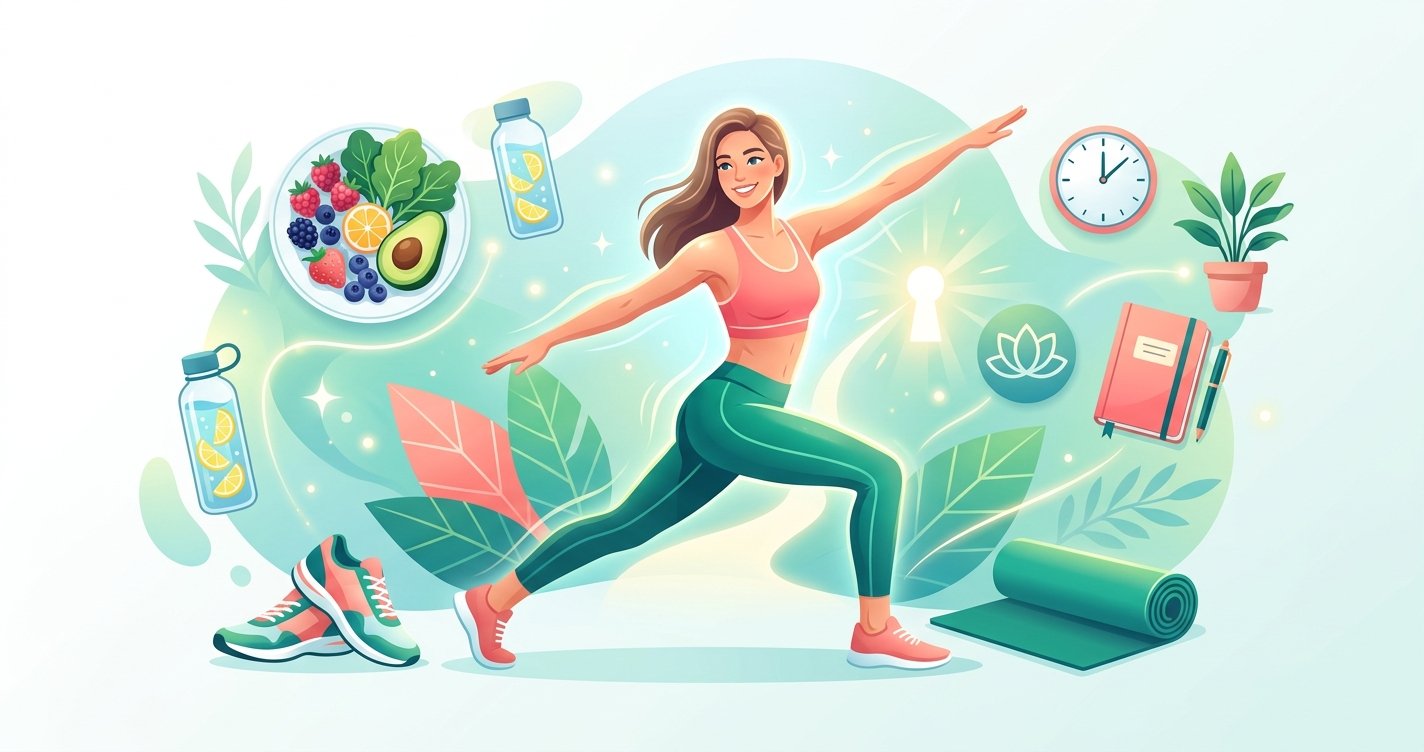
Introduction: Tired of the Fat Loss Rollercoaster?
You've tried the restrictive diets, the grueling workouts, and maybe even seen some initial success, only to find yourself back where you started. Sound familiar? You're not alone. The journey to fat loss often feels like a frustrating cycle of hope and disappointment. But what if there was a way to achieve lasting results, without deprivation or extreme measures? What if you could transform your body and your relationship with food in a way that truly sticks?
This isn't about quick fixes; it's about sustainable, evidence-based strategies that nourish your body, respect your lifestyle, and empower you to build habits that last a lifetime. We're diving deep into a holistic approach to fat loss that goes beyond just calories, focusing on nutrition, movement, sleep, stress management, and mindset. Get ready to ditch the diet mentality and embrace a path to a healthier, happier you. this excellent wellness product
Beyond the Scale: What Sustainable Fat Loss Really Means
Before we talk about 'how,' let's define 'what.' Sustainable fat loss isn't just about seeing a lower number on the scale. It's about achieving a healthy body composition that you can maintain long-term, feeling energized, improving your overall health markers, and developing a positive relationship with food and your body. It means:
- No More Crash Diets: Escaping the cycle of extreme restriction followed by rebound weight gain.
- Improved Health: Lowering risks for chronic diseases, better blood sugar control, improved cardiovascular health.
- Enhanced Well-being: Better sleep, more energy, reduced stress, and improved mood.
- Lasting Habits: Building routines that support your health without feeling like a constant battle.
- Body Confidence: Feeling good in your own skin, regardless of fleeting trends.
Our goal isn't just to lose weight, but to gain health, vitality, and confidence through smart, balanced choices.
The Cornerstone: Mastering Your Nutrition for Lasting Results
Nutrition is arguably the most critical component of sustainable fat loss. While a calorie deficit is fundamental for losing fat (you need to consume fewer calories than you burn), the *quality* of those calories and how you structure your meals makes all the difference for satiety, energy, and nutrient intake.
Prioritize Protein and Fiber
- Protein Power: Protein is a superstar for fat loss. It's highly satiating, meaning it keeps you feeling full longer, reducing cravings. It also has a higher thermic effect (your body burns more calories digesting protein) and is crucial for preserving muscle mass during a calorie deficit. Aim for a lean protein source at every meal: chicken, fish, lean beef, eggs, Greek yogurt, lentils, beans, tofu.
- Fiber-Rich Foods: Found in fruits, vegetables, whole grains, and legumes, fiber adds bulk to your meals without adding many calories, promoting fullness and aiding digestion. Soluble fiber, in particular, can help slow down digestion and stabilize blood sugar levels.
Embrace Whole, Unprocessed Foods
Focus your diet around nutrient-dense whole foods. These provide essential vitamins, minerals, and antioxidants that support overall health and metabolism. Highly processed foods, often rich in added sugars, unhealthy fats, and refined grains, tend to be calorie-dense but nutrient-poor, contributing to cravings and energy crashes.
Healthy Fats Are Your Friends
Don't fear healthy fats! Monounsaturated and polyunsaturated fats (found in avocados, nuts, seeds, olive oil, fatty fish) are essential for hormone production, nutrient absorption, and satiety. They also contribute to the flavor of your meals, making healthy eating more enjoyable. Just remember they are calorie-dense, so portion control is key.
Hydration is Non-Negotiable
Often overlooked, adequate water intake is vital. Staying hydrated supports metabolism, helps with satiety (sometimes thirst is mistaken for hunger), and keeps all your bodily functions running smoothly. Aim for at least 8 glasses a day, and more if you're active.
Practice Mindful Eating
Slow down. Pay attention to your hunger and fullness cues. Eat without distractions. Mindful eating helps you savor your food, recognize when you're truly satisfied, and can prevent overeating. It's about being present with your meal, not just consuming it.
Move Your Body, Fuel Your Metabolism: Activity for Fat Loss
While nutrition is paramount, incorporating physical activity significantly enhances fat loss and overall health. It burns calories, builds muscle (which boosts your resting metabolism), improves cardiovascular health, and reduces stress.
Strength Training: Your Metabolic Supercharger
Don't skip the weights! Building and maintaining muscle mass is incredibly important for fat loss. Muscle is metabolically active tissue, meaning it burns more calories at rest than fat. Strength training not only helps you build muscle but also improves bone density and body composition. Aim for 2-4 sessions per week, focusing on compound movements that work multiple muscle groups.
Cardio: For Heart Health and Calorie Burn
Cardiovascular exercise, whether it's brisk walking, jogging, cycling, or swimming, is excellent for burning calories and improving heart health. You can incorporate both steady-state cardio (moderate intensity for a longer duration) and high-intensity interval training (HIIT) for varied benefits. Find activities you enjoy to make it sustainable.
Embrace Everyday Movement (NEAT)
Non-Exercise Activity Thermogenesis (NEAT) refers to the calories you burn doing everyday activities that aren't formal exercise – walking, standing, fidgeting, taking the stairs. These seemingly small movements add up significantly over a day and week. Look for opportunities to move more throughout your day: park further away, take walking breaks, stand at your desk.
The Unsung Heroes: Sleep, Stress, and Mindset
You can eat perfectly and exercise diligently, but if you neglect these three pillars, your fat loss journey will be an uphill battle.
Prioritize Quality Sleep
Sleep is when your body repairs and recovers. Lack of sleep wreaks havoc on your hormones, particularly those that regulate hunger and satiety. Insufficient sleep can increase ghrelin (the hunger hormone) and decrease leptin (the satiety hormone), leading to increased cravings and overeating. Aim for 7-9 hours of quality sleep per night.
Manage Stress Effectively
Chronic stress elevates cortisol levels, a hormone that can promote fat storage, especially around the abdominal area. Stress can also lead to emotional eating. Incorporate stress-reducing activities into your daily routine: meditation, yoga, deep breathing exercises, spending time in nature, or engaging in hobbies you love.
Cultivate a Positive and Patient Mindset
Fat loss is a journey, not a race. There will be good days and challenging days. Cultivate self-compassion, patience, and persistence. Focus on progress, not perfection. Celebrate small victories and learn from setbacks without letting them derail you completely. Believe in your ability to make lasting changes.
Building Lasting Habits: Your Blueprint for Success
Sustainable fat loss is all about consistent, small changes that integrate seamlessly into your life. Here's how to make it stick:
- Start Small: Don't try to overhaul everything at once. Pick one or two habits to focus on (e.g., adding protein to breakfast, walking 20 minutes daily) and master them before adding more.
- Plan Ahead: Meal prepping, planning your workouts, and scheduling sleep can significantly increase your chances of success.
- Track Progress (Beyond the Scale): While the scale can be a tool, it's not the only one. Track body measurements, how your clothes fit, energy levels, strength gains, and mood. These non-scale victories are incredibly motivating.
- Seek Support: Share your goals with a trusted friend, family member, or consider working with a coach. Accountability and encouragement can make a huge difference.
- Embrace Flexibility: Life happens. Learn to navigate social events, holidays, and busy periods without completely abandoning your healthy habits. The 80/20 rule (eating well 80% of the time, allowing for flexibility 20% of the time) can be very effective for long-term adherence.
Conclusion: Your Journey to a Healthier, Happier You Starts Now
Sustainable fat loss isn't about chasing fleeting trends or punishing your body. It's about empowering yourself with knowledge, building healthy habits, and nurturing every aspect of your well-being. By focusing on quality nutrition, consistent movement, restful sleep, effective stress management, and a positive mindset, you're not just losing fat; you're gaining a healthier, more vibrant life.
Remember, consistency trumps perfection. Be patient with yourself, celebrate every step forward, and commit to the process. Your body, mind, and future self will thank you. Ready to embark on your sustainable fat loss journey? Take that first small step today!