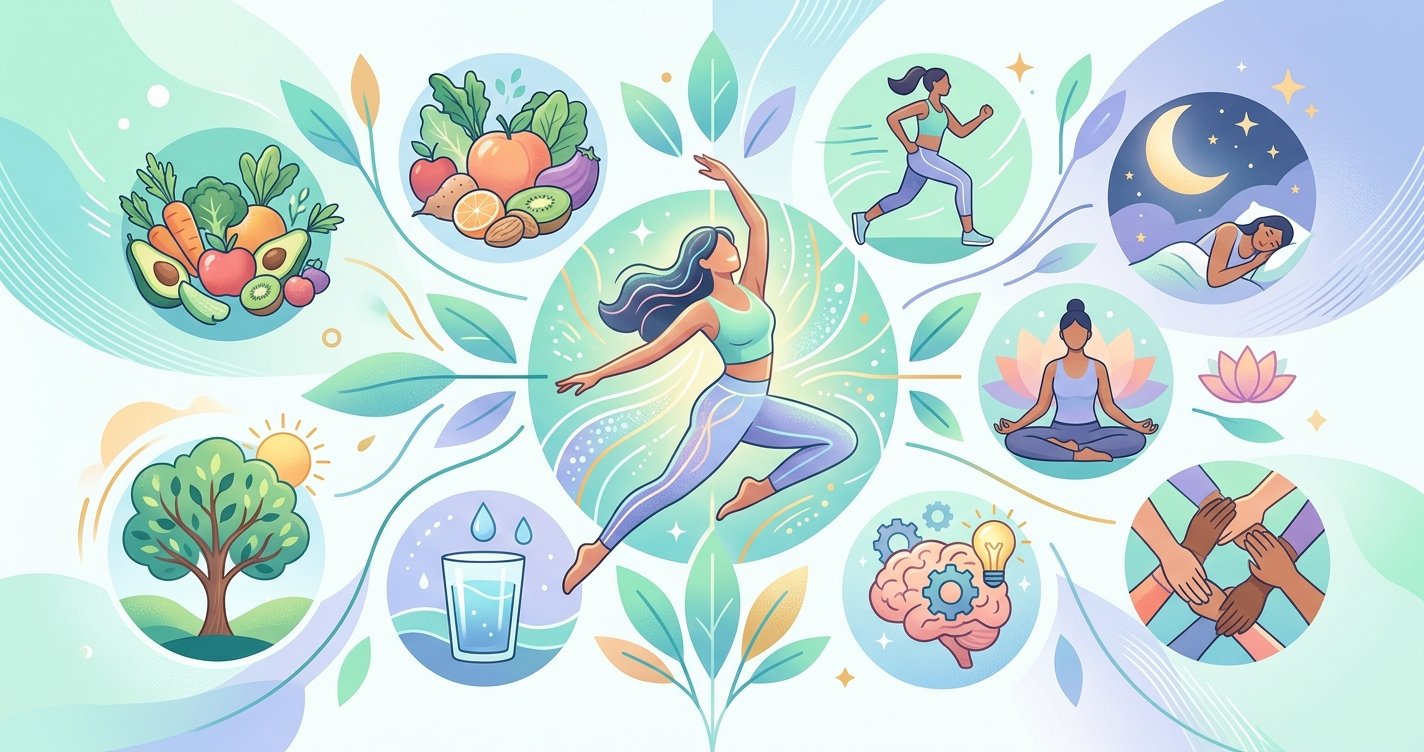
Are you tired of the endless cycle of restrictive diets and grueling workouts that promise rapid fat loss but deliver only temporary results and immense frustration? You’re not alone. Many people embark on a fat loss journey armed with good intentions, only to find themselves stuck in a rut, battling hunger, fatigue, and a plummeting metabolism. The truth is, sustainable fat loss isn't just about 'eating less and moving more' – it's a nuanced process that involves a holistic approach to your entire lifestyle. If you're ready to break free from the conventional wisdom and discover the often-overlooked pillars of lasting fat loss, you've come to the right place. Let's dive into an evidence-based, friendly, and encouraging guide to transforming your body and your relationship with health.
The Foundation: Nourishing Your Body, Not Just Restricting It
While a caloric deficit is essential for fat loss, the quality of those calories matters immensely. Focusing solely on restriction can lead to nutrient deficiencies, intense cravings, and a sluggish metabolism. Instead, let's shift our perspective to nourishing our bodies efficiently. this excellent wellness product
Prioritize Protein and Fiber
- Protein Power: Protein is your best friend for fat loss. It's highly satiating, helping you feel fuller for longer, and it has a higher thermic effect of food (TEF) – meaning your body burns more calories digesting it. Plus, it's crucial for preserving muscle mass during a deficit, which is vital for a healthy metabolism. Aim for a lean protein source at every meal, like chicken, fish, lean beef, eggs, lentils, or tofu.
- Fiber-Rich Foods: Found in fruits, vegetables, whole grains, and legumes, fiber adds bulk to your meals, promoting satiety and aiding digestion. It also helps stabilize blood sugar levels, preventing energy crashes and subsequent cravings.
Embrace Healthy Fats and Complex Carbohydrates
Don't fear fats! Healthy fats (from avocados, nuts, seeds, olive oil) are vital for hormone production and nutrient absorption. Complex carbohydrates (like sweet potatoes, quinoa, brown rice, oats) provide sustained energy, fueling your workouts and daily activities without the sugar spikes and crashes associated with refined carbs.
Hydration is Key
Often overlooked, adequate water intake is critical. Water helps with metabolism, nutrient transport, and can even help manage hunger cues, as sometimes thirst is mistaken for hunger. Aim for at least 8 glasses a day, and more if you're active.
Mindful Eating Practices
Slow down. Pay attention to your hunger and fullness cues. Eat without distractions. Mindful eating helps you enjoy your food more, recognize when you're satisfied, and prevent overeating. This simple practice can be a game-changer for sustainable fat loss.
Move Your Body Smartly: Beyond Endless Cardio
When people think of fat loss, they often picture hours on the treadmill. While cardio has its benefits, it's not the only, or even the most efficient, tool for sustainable fat loss. A smart movement strategy incorporates multiple elements.
Strength Training: Your Metabolic Supercharger
This is arguably the most powerful exercise tool for fat loss. Building and maintaining muscle mass is crucial because muscle is metabolically active – it burns more calories at rest than fat does. Incorporate 2-4 strength training sessions per week, focusing on compound movements (squats, deadlifts, presses, rows) that work multiple muscle groups.
Strategic Cardio: HIIT and LISS
- High-Intensity Interval Training (HIIT): Short bursts of intense exercise followed by brief recovery periods. HIIT is time-efficient and can boost your metabolism for hours after your workout (the 'afterburn effect').
- Low-Intensity Steady State (LISS): Think brisk walking, light cycling, or swimming. LISS is great for recovery, stress reduction, and overall cardiovascular health, without adding excessive stress to your body.
Increase Non-Exercise Activity Thermogenesis (NEAT)
This refers to the energy expended for everything we do that is not sleeping, eating, or sports-like exercise. Parking further away, taking the stairs, walking during phone calls, or fidgeting all contribute to your daily calorie burn. These small movements add up significantly over time and are vital for sustainable fat loss, especially if you have a sedentary job.
The Unsung Heroes: Sleep and Stress Management
You can eat perfectly and train hard, but if you neglect sleep and stress, your fat loss efforts will be severely hampered. These are often the biggest sabotaging factors.
The Power of Quality Sleep
When you're sleep-deprived, your body's hormones go haywire:
- Ghrelin (the hunger hormone) increases, making you feel hungrier.
- Leptin (the satiety hormone) decreases, meaning you don't feel full even after eating.
- Cortisol (the stress hormone) rises, promoting fat storage, particularly around the midsection.
- Insulin sensitivity decreases, making your body less efficient at processing glucose.
Aim for 7-9 hours of quality sleep per night. Establish a consistent sleep schedule, create a relaxing bedtime routine, and optimize your sleep environment.
Taming the Stress Monster
Chronic stress, whether from work, relationships, or even over-exercising, keeps cortisol levels elevated. As mentioned, high cortisol can lead to increased appetite, cravings for sugary and fatty foods, and preferential fat storage in the abdominal area. Find healthy ways to manage stress:
- Meditation or deep breathing exercises
- Spending time in nature
- Engaging in hobbies you enjoy
- Yoga or gentle movement
- Connecting with loved ones
Cultivating a Winning Mindset: Patience, Persistence, and Self-Compassion
Fat loss is as much a mental game as it is a physical one. Your mindset dictates your consistency and resilience.
Embrace the Journey, Not Just the Destination
Sustainable fat loss is not a race; it's a marathon. There will be plateaus, setbacks, and moments of doubt. Instead of seeking perfection, aim for consistency and progress. Celebrate small victories – a new strength personal best, consistent healthy meals, a full night's sleep – not just the number on the scale.
Ditch the All-or-Nothing Mentality
One 'bad' meal or missed workout doesn't derail your entire journey. Forgive yourself, learn from it, and get back on track with your next meal or opportunity to move. Sustainable habits are built on flexibility, not rigid rules that are impossible to maintain.
Practice Self-Compassion
Treat yourself with the same kindness and understanding you would offer a friend. Negative self-talk and harsh criticism only create more stress and make it harder to stick to your goals. Understand that your body is a complex system, and sometimes progress is slow, or even seems to halt. That's normal. Stay consistent, trust the process, and be kind to yourself.
Listening to Your Body: Flexibility and Intuition
Rigid meal plans and workout schedules can work for a short period, but for long-term sustainable fat loss, learning to listen to your body is paramount.
Tune into Hunger and Fullness Cues
Beyond mindful eating, truly learning to distinguish between physical hunger and emotional hunger, and recognizing true satiety, will empower you to make food choices that serve your body rather than dictate them by external rules. This develops a healthier, more intuitive relationship with food.
Adapt as Needed
Life happens. Some days you might be more stressed, sleep-deprived, or have less time. Instead of pushing through a high-intensity workout when your body is screaming for rest, opt for a walk or gentle stretching. If you're genuinely hungrier on certain days, adjust your food intake slightly, focusing on nutrient-dense options. Flexibility prevents burnout and makes the journey enjoyable.
Your Path to Lasting Fat Loss Starts Now
Sustainable fat loss isn't about quick fixes or extreme measures; it's about building a foundation of healthy habits that nourish your body, challenge it appropriately, and support its natural rhythms. By focusing on quality nutrition, smart movement, prioritizing sleep, managing stress, and cultivating a resilient mindset, you're not just losing fat – you're building a healthier, happier, and more energetic you.
Start small. Pick one or two areas from this guide that resonate most with you and commit to making a tiny, consistent change. Over time, these small shifts will compound into significant, lasting results. Your journey to sustainable fat loss is an investment in your long-term health and well-being. You've got this!