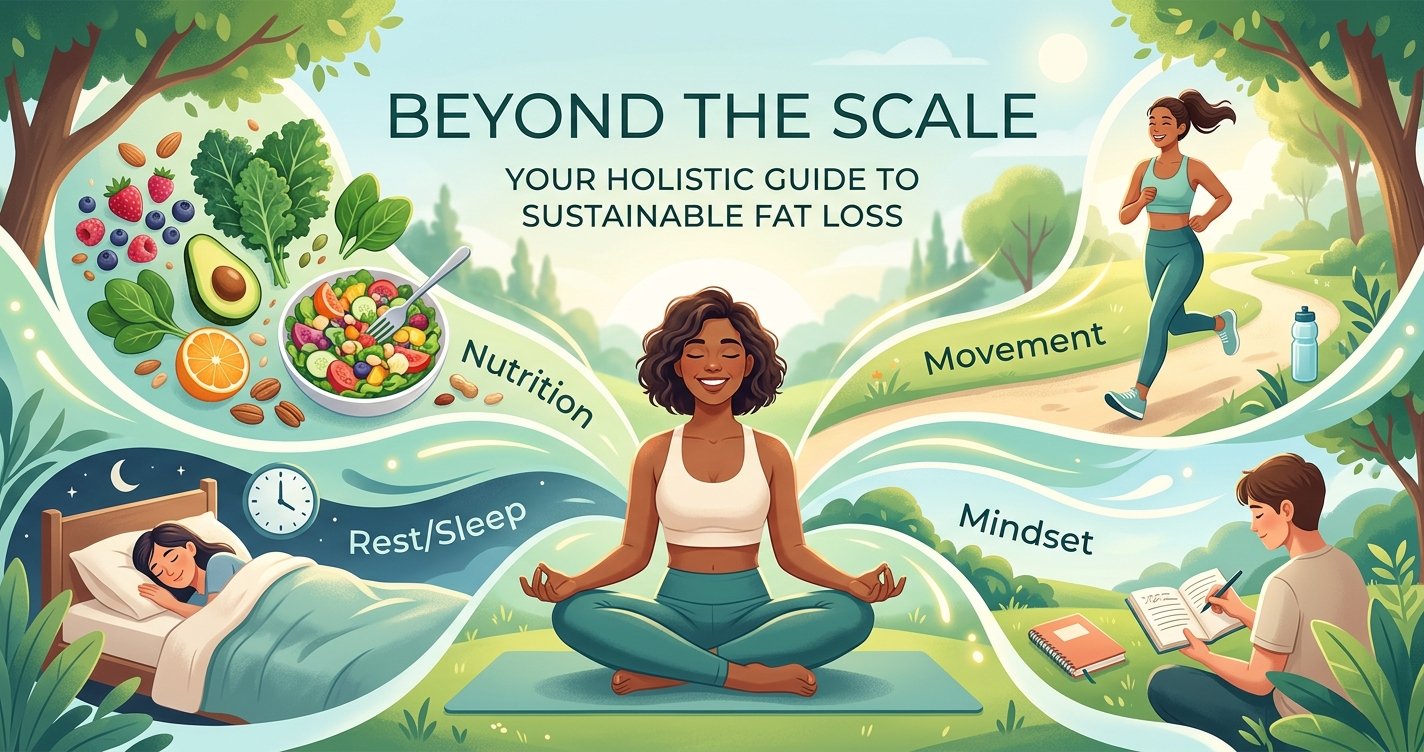
Embrace the Journey: Sustainable Fat Loss for a Healthier You
Tired of the endless cycle of restrictive diets and fleeting results? You're not alone. Many embark on a fat loss journey hoping for a quick fix, only to find themselves back where they started – or even further behind. But what if we told you there's a better way? A path focused not on deprivation, but on building healthy, lasting habits that empower you to achieve sustainable fat loss and maintain it for life. This isn't about chasing a number on the scale; it's about cultivating a healthier, stronger, and more vibrant you.
Sustainable fat loss isn't a race; it's a lifestyle evolution. It involves understanding your body, nourishing it intelligently, moving it joyfully, and nurturing your mind. Let's dive into the evidence-based strategies that will set you up for long-term success. this excellent wellness product
Understanding the Foundation: Calorie Deficit & Macronutrients
At its core, fat loss boils down to one fundamental principle: consuming fewer calories than your body burns. This creates a 'calorie deficit,' prompting your body to tap into its stored fat for energy. However, it's not just about eating less; it's about eating smart.
The Calorie Conundrum: It's About Balance
While a calorie deficit is non-negotiable for fat loss, drastic cuts can backfire, leading to nutrient deficiencies, muscle loss, and metabolic slowdown. Aim for a moderate deficit of 300-500 calories per day. Tools like online calculators can estimate your daily calorie needs (Total Daily Energy Expenditure or TDEE), but remember, these are starting points. Listen to your body and adjust as needed. Focus on whole, unprocessed foods that provide essential nutrients and keep you feeling full and satisfied.
Power of Protein: Your Fat Loss Ally
Protein is a superstar in the fat loss world for several reasons:
- Satiety: Protein is incredibly filling, helping to reduce overall calorie intake by keeping hunger at bay.
- Thermogenic Effect: Your body burns more calories digesting protein compared to fats or carbohydrates.
- Muscle Preservation: Adequate protein intake is crucial for preserving lean muscle mass during a calorie deficit, which is vital for maintaining a healthy metabolism.
Aim for 0.7-1 gram of protein per pound of body weight daily, spread across your meals. Think lean meats, poultry, fish, eggs, dairy, legumes, and protein supplements.
Smart Carbs & Healthy Fats: Fueling Your Body Right
Carbohydrates often get a bad rap, but they are your body's primary energy source. The key is choosing the right ones:
- Complex Carbohydrates: Found in whole grains, fruits, and vegetables, these are rich in fiber, providing sustained energy and promoting digestive health.
- Avoid Refined Carbs: Sugary drinks, white bread, and pastries offer little nutritional value and can spike blood sugar, leading to energy crashes and cravings.
Fats are also essential for hormone production, nutrient absorption, and overall health. Don't fear them, but choose wisely:
- Healthy Fats: Avocados, nuts, seeds, olive oil, and fatty fish (like salmon) provide beneficial monounsaturated and polyunsaturated fats.
- Limit Saturated & Trans Fats: These are often found in processed foods and can negatively impact heart health.
Moving Your Body: Exercise for Sustainable Fat Loss
While nutrition is paramount, incorporating regular physical activity amplifies your fat loss efforts and offers a myriad of health benefits. It's not just about burning calories; it's about building a stronger, more resilient body.
Strength Training: Build Muscle, Burn Fat
If you're not lifting weights, you're missing a huge piece of the fat loss puzzle! Strength training:
- Boosts Metabolism: Muscle tissue is more metabolically active than fat tissue, meaning it burns more calories at rest. Building muscle increases your basal metabolic rate (BMR).
- Shapes Your Body: It helps create a leaner, more toned physique, even if the scale doesn't move drastically.
- Improves Bone Density & Functional Strength: Essential for long-term health and independence.
Aim for 2-4 strength training sessions per week, focusing on compound movements that work multiple muscle groups.
Cardio with a Purpose: Heart Health & Calorie Burn
Cardiovascular exercise is excellent for heart health, endurance, and burning additional calories. You don't need to spend hours on a treadmill; aim for a mix:
- Moderate-Intensity Cardio: Brisk walking, cycling, swimming for 150-300 minutes per week.
- High-Intensity Interval Training (HIIT): Short bursts of intense exercise followed by brief recovery periods can be very effective for calorie burning and improving fitness in less time.
Non-Exercise Activity Thermogenesis (NEAT): Every Step Counts
NEAT refers to the calories burned from all the activities that aren't formal exercise, eating, or sleeping. This includes walking, fidgeting, taking the stairs, standing, and household chores. Increasing your NEAT can significantly contribute to your daily calorie expenditure. Aim for 7,000-10,000 steps a day, take frequent breaks from sitting, and look for opportunities to move more throughout your day.
Beyond Diet & Exercise: The Unsung Heroes of Fat Loss
Sustainable fat loss isn't just about what you eat and how much you move. Several often-overlooked factors play a critical role in your body's ability to shed fat and maintain a healthy weight.
The Sleep-Fat Loss Connection
Skimping on sleep can sabotage your fat loss efforts. Lack of sleep disrupts hormones that regulate appetite:
- Ghrelin: The 'hunger hormone,' which increases with poor sleep.
- Leptin: The 'satiety hormone,' which decreases with poor sleep.
This imbalance leads to increased cravings, especially for high-carb, sugary foods, and makes you feel less satisfied after eating. Aim for 7-9 hours of quality sleep per night.
Stress Management: Taming Cortisol
Chronic stress triggers the release of cortisol, a hormone that, in excess, can promote fat storage, particularly around the abdominal area. Stress can also lead to emotional eating and reduced motivation for healthy habits. Incorporate stress-reducing activities into your daily routine:
- Meditation or mindfulness
- Yoga
- Spending time in nature
- Journaling
- Deep breathing exercises
Hydration: Simple Yet Powerful
Drinking enough water is a simple yet effective fat loss strategy. Water can:
- Boost Metabolism: Studies show water can temporarily increase your metabolic rate.
- Reduce Appetite: Drinking water before meals can help you feel fuller, potentially leading to reduced calorie intake.
- Aid Digestion: Proper hydration is crucial for efficient digestion and nutrient absorption.
Aim for at least 8 glasses of water daily, and more if you're exercising or in a hot climate.
Cultivating a Fat Loss Mindset: Patience & Consistency
Perhaps the most crucial, yet often overlooked, aspect of sustainable fat loss is your mindset. This journey requires patience, self-compassion, and an unwavering commitment to consistency.
Ditch the All-or-Nothing Mentality
Perfection is the enemy of progress. One 'bad' meal or missed workout doesn't derail your entire journey. Instead of giving up, acknowledge the slip, learn from it, and get back on track with your next meal or workout. Focus on making good choices most of the time.
Celebrate Small Wins
Fat loss isn't always linear. The scale might fluctuate, or progress might slow. Instead of fixating solely on the number on the scale, celebrate non-scale victories:
- Improved energy levels
- Better sleep
- Clothes fitting more comfortably
- Increased strength or endurance
- Improved mood
These small wins reinforce positive behaviors and keep you motivated.
Seek Support & Be Kind to Yourself
You don't have to do this alone. Connect with friends, family, or online communities who share similar goals. Consider working with a coach or dietitian for personalized guidance. Most importantly, practice self-compassion. Your body is doing incredible work; treat it with kindness and respect.
Your Sustainable Fat Loss Action Plan
Ready to transform your approach to fat loss? Here’s a quick recap of your action plan:
- Prioritize Protein: Include a lean protein source at every meal.
- Choose Whole Foods: Focus on nutrient-dense complex carbs, healthy fats, fruits, and vegetables.
- Lift Weights: Incorporate strength training 2-4 times a week.
- Move More: Add cardio and boost your daily NEAT (steps!).
- Sleep Soundly: Aim for 7-9 hours of quality sleep.
- Manage Stress: Find healthy outlets to reduce cortisol.
- Stay Hydrated: Drink plenty of water throughout the day.
- Cultivate Patience: Embrace the process and celebrate progress, not perfection.
Conclusion: Your Healthiest Self Awaits
Sustainable fat loss is about empowering yourself with knowledge and building habits that serve your long-term health and well-being. It's not a destination, but a continuous journey of learning, adapting, and growing. By focusing on these evidence-based strategies – smart nutrition, consistent exercise, adequate sleep, stress management, and a positive mindset – you're not just losing fat; you're building a foundation for a healthier, happier, and more energetic life. You have the power to make these lasting changes. Start today, one habit at a time, and watch your healthiest self emerge!