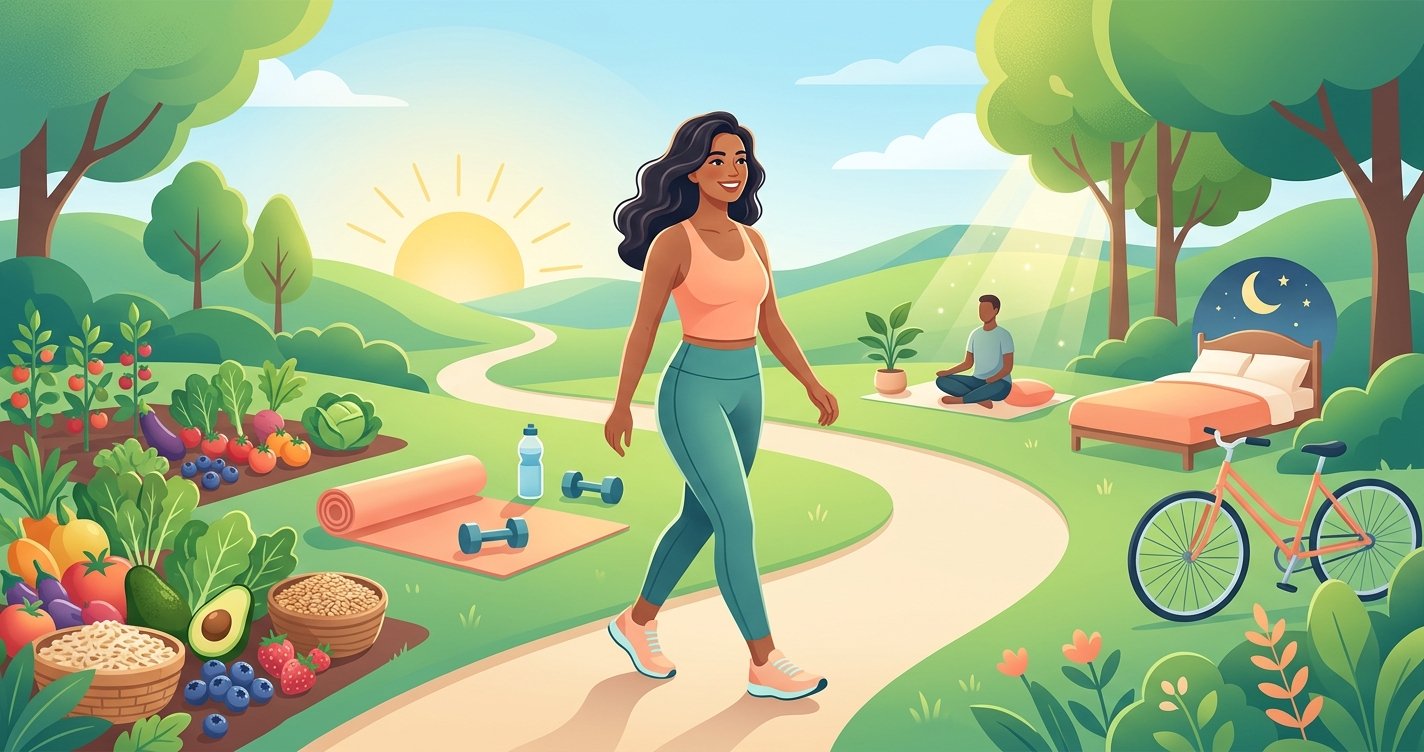
In a world obsessed with quick fixes and dramatic transformations, it's easy to get caught in the cycle of crash diets and unsustainable weight loss methods. You’ve likely seen the headlines: 'Lose 10 pounds in a week!' or 'The secret diet celebrities swear by!' While these promises might offer tempting short-term results, they often lead to frustration, rebound weight gain, and a damaged relationship with food and your body. But what if there was a better way? A path to fat loss that’s not only effective but also sustainable, kind to your body, and truly transformative for your overall health and well-being?
Welcome to the guide that will help you achieve sustainable fat loss, not by deprivation, but by embracing a holistic approach. We're going to dive deep into evidence-based strategies that nourish your body, strengthen your mind, and build habits that last a lifetime. Forget the fleeting trends; it’s time to invest in lasting change. this excellent wellness product
Why Crash Diets Fail: Understanding the Cycle
Before we build a better path, let's understand why the old roads often lead to dead ends. Crash diets, characterized by extreme calorie restriction or eliminating entire food groups, are designed for rapid, temporary weight loss, not sustainable fat loss. Here’s why they often backfire:
The Metabolism Myth
When you drastically cut calories, your body perceives it as a famine. It's smart! To conserve energy, your metabolism slows down. This makes further weight loss incredibly difficult and sets you up for weight regain once you return to normal eating patterns. Studies consistently show that severe calorie restriction can lead to a decrease in resting metabolic rate, making it harder to maintain a lower weight.
The Mental Toll
Beyond the physical effects, crash diets are mentally exhausting. The constant hunger, food cravings, social isolation, and the feeling of deprivation can lead to binge eating, emotional distress, and a sense of failure. This negative cycle erodes self-esteem and makes future attempts at healthy eating even harder.
The Cornerstone of Sustainable Fat Loss: Nutrition That Nourishes
Sustainable fat loss isn't about eating less; it's about eating better. It’s about fueling your body with nutrient-dense foods that keep you full, energized, and satisfied. This isn't a diet; it's a lifestyle shift.
Prioritize Protein
- Why it matters: Protein is king for fat loss. It’s highly satiating, meaning it keeps you feeling fuller for longer, reducing overall calorie intake. It also has a higher thermic effect of food (TEF) compared to carbs and fats, meaning your body burns more calories digesting it. Plus, it's crucial for preserving muscle mass during a calorie deficit, which is vital for maintaining a healthy metabolism.
- How to do it: Include a source of lean protein at every meal. Think chicken breast, turkey, fish, eggs, Greek yogurt, lentils, beans, tofu, or lean beef. Aim for roughly 20-30 grams per meal.
Embrace Fiber-Rich Foods
- Why it matters: Fiber, found in fruits, vegetables, and whole grains, adds bulk to your meals without adding many calories. It slows digestion, stabilizes blood sugar levels, and promotes gut health – all factors that support fat loss and overall well-being.
- How to do it: Fill half your plate with non-starchy vegetables. Opt for whole grains like oats, quinoa, and brown rice over refined grains. Snack on berries or an apple.
Don't Fear Healthy Fats
- Why it matters: Healthy fats are essential for hormone production, nutrient absorption, and satiety. While calorie-dense, a moderate amount of healthy fats can prevent cravings and keep you satisfied, making it easier to stick to your eating plan.
- How to do it: Incorporate sources like avocados, nuts, seeds, olive oil, and fatty fish (salmon, mackerel) in moderation.
Hydration is Key
- Why it matters: Often overlooked, adequate water intake is crucial. Sometimes, your body confuses thirst with hunger. Staying hydrated can help curb unnecessary snacking, support metabolic processes, and aid in digestion.
- How to do it: Aim for 8-10 glasses of water daily. Keep a water bottle handy and sip throughout the day.
Move Your Body: Smart Exercise for Fat Loss and Health
While nutrition is paramount, exercise is the powerful accelerator for fat loss and body composition. It builds muscle, burns calories, improves mood, and boosts overall health. The key is finding activities you enjoy and can stick with consistently.
Strength Training: Your Fat-Burning Ally
- Why it matters: Building muscle is one of the most effective ways to boost your metabolism. Muscle tissue burns more calories at rest than fat tissue, meaning the more muscle you have, the more calories you burn around the clock. Strength training also shapes your body and improves bone density.
- How to do it: Aim for 2-3 full-body strength training sessions per week. This could involve bodyweight exercises (squats, push-ups, lunges), resistance bands, or weights at the gym.
Cardio: Find Your Rhythm
- Why it matters: Cardiovascular exercise burns calories, improves heart health, and boosts endurance. While strength training is crucial for metabolic health, cardio helps create a calorie deficit.
- How to do it: Find something you love! Walking, jogging, cycling, swimming, dancing, or hiking. Aim for 150-300 minutes of moderate-intensity cardio per week.
Beyond Food and Fitness: The Unsung Heroes of Fat Loss
Sustainable fat loss isn't just about what you eat and how you move. Your lifestyle factors play a monumental role in your body's ability to shed fat and maintain a healthy weight. Ignoring these can sabotage even the best nutrition and exercise plans.
Sleep: Your Body's Repair Shop
- Why it matters: Lack of sleep disrupts hormones that regulate hunger and satiety. Ghrelin, the hunger hormone, increases, while leptin, the satiety hormone, decreases. This makes you hungrier and more likely to crave high-calorie, sugary foods. Poor sleep also increases cortisol levels, which can promote belly fat storage.
- How to do it: Prioritize 7-9 hours of quality sleep per night. Establish a consistent sleep schedule, create a relaxing bedtime routine, and ensure your bedroom is dark, quiet, and cool.
Stress Management: Taming the Cortisol Beast
- Why it matters: Chronic stress leads to elevated cortisol levels. High cortisol can increase appetite, promote fat storage (especially around the abdomen), and contribute to emotional eating.
- How to do it: Incorporate stress-reducing activities into your daily routine. This could be meditation, yoga, deep breathing exercises, spending time in nature, journaling, or engaging in hobbies you enjoy.
Mindset: Cultivating Patience and Self-Compassion
- Why it matters: Your mindset is arguably the most critical component of sustainable fat loss. It's a journey, not a race. There will be ups and downs. A positive, patient, and self-compassionate mindset helps you navigate challenges, learn from setbacks, and stay committed to your long-term goals.
- How to do it: Practice mindful eating, listen to your body’s hunger and fullness cues. Celebrate small victories. Don't let perfection be the enemy of progress. Learn to forgive yourself for slip-ups and get back on track.
Putting It All Together: Your Actionable Plan for Lasting Change
Ready to make these changes a reality? Here’s a summary of how to integrate these holistic strategies into your life:
- Set Realistic Goals: Aim for a gradual and steady fat loss of 1-2 pounds per week.
- Build Balanced Meals: Focus on lean protein, plenty of vegetables, fiber-rich carbs, and healthy fats at each meal.
- Move Regularly: Combine 2-3 strength training sessions with 150-300 minutes of moderate cardio weekly.
- Prioritize Sleep: Aim for 7-9 hours of quality sleep every night.
- Manage Stress: Find effective ways to de-stress daily.
- Cultivate a Positive Mindset: Be patient, persistent, and kind to yourself throughout the journey.
- Stay Consistent: Consistency, not perfection, is the key to sustainable results.
Conclusion: Your Journey to a Healthier You
Sustainable fat loss is not about chasing an arbitrary number on the scale; it's about building a healthier, stronger, and more vibrant you. By focusing on nourishing your body with nutrient-dense foods, engaging in regular physical activity, prioritizing sleep, managing stress, and cultivating a positive mindset, you’re not just losing fat – you’re gaining a lifetime of health, energy, and well-being. Embrace this holistic approach, and you'll find that true, lasting transformation is well within your reach. Your body and mind will thank you for it!