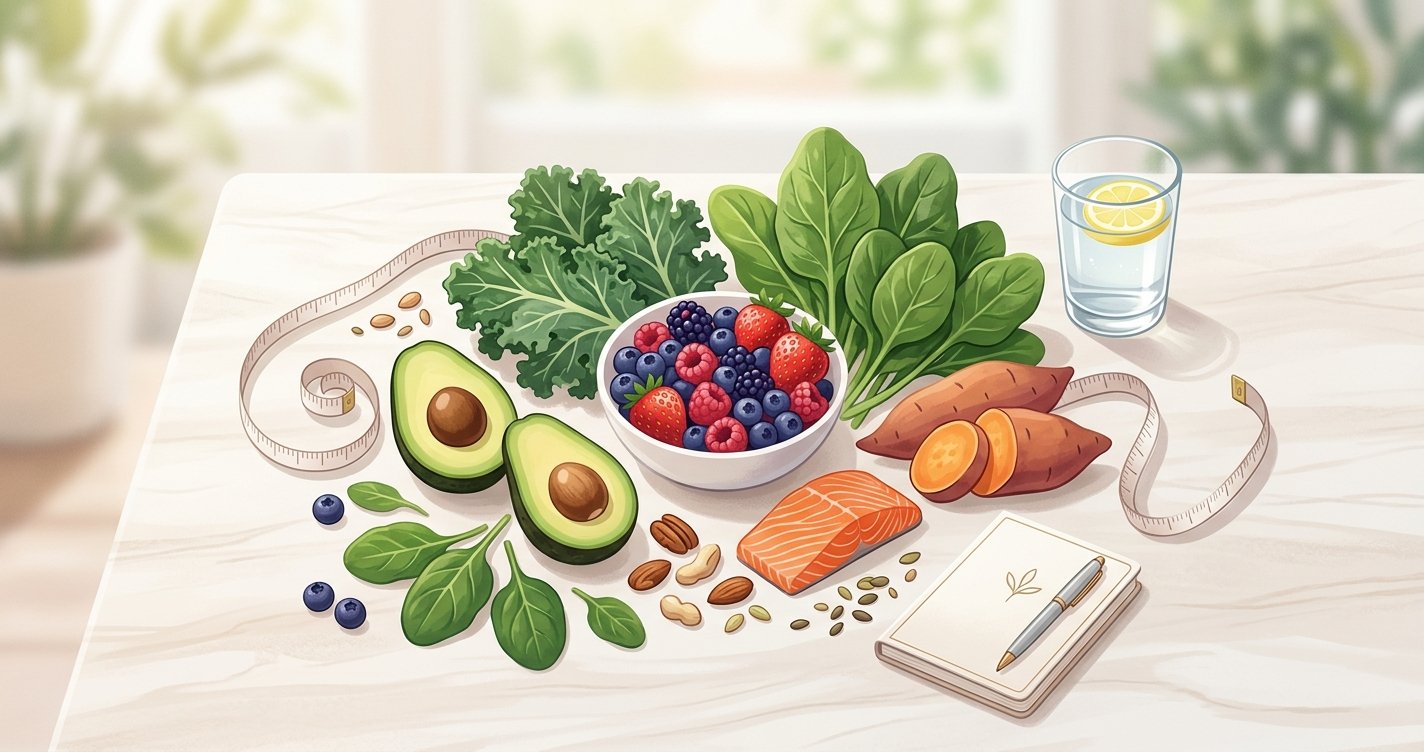
Tired of the Yo-Yo? Discover Sustainable Fat Loss Through Holistic Nutrition!
If you've ever felt trapped in the endless cycle of crash diets, rapid weight loss, and frustrating regain, you're not alone. The pursuit of fat loss often leads many down paths of extreme restriction, unsustainable eating plans, and ultimately, disappointment. But what if there was a better way? A path focused not on deprivation, but on nourishment; not on speed, but on sustainability? We're here to tell you there is, and it starts with a holistic approach to nutrition.
Forget the quick fixes and prepare to dive into evidence-based strategies that empower you to achieve lasting fat loss, improve your health, and build a positive relationship with food. This isn't about dieting; it's about lifestyle transformation. Let's unlock the secrets to sustainable fat loss, one informed choice at a time. this excellent wellness product
The Foundation: Understanding the Calorie Deficit (Without Starving Yourself)
What is a Calorie Deficit?
At its core, fat loss boils down to one fundamental principle: consuming fewer calories than your body expends. This is known as a calorie deficit. Your body then taps into its stored energy (fat) to make up the difference. Sounds simple, right? And it is, in theory. The trick lies in creating a deficit that is effective yet manageable and healthy.
Why Extreme Deficits Backfire
Many crash diets advocate for drastic calorie cuts, often leading to rapid initial weight loss. However, this approach is rarely sustainable. Extreme deficits can:
- Lead to nutrient deficiencies.
- Cause muscle loss instead of just fat loss.
- Slow down your metabolism as your body tries to conserve energy.
- Trigger intense hunger and cravings, making adherence almost impossible.
- Result in rebound weight gain once the diet ends.
Your body is smart; it adapts. A healthy, sustainable deficit is typically modest, allowing for consistent progress without triggering your body's survival mechanisms.
Finding Your Sweet Spot
How do you find your ideal calorie deficit? You'll want to estimate your Total Daily Energy Expenditure (TDEE), which is the number of calories your body burns in a day, factoring in your basal metabolic rate, activity level, and digestion. Online calculators can help you get an estimate. Once you have your TDEE, aim to subtract 300-500 calories to create a moderate deficit. This typically results in a healthy fat loss of 1-2 pounds per week, which is generally considered sustainable and safe.
Macronutrients Matter: Fueling Your Body Right
While a calorie deficit is key, the *source* of those calories profoundly impacts your satiety, energy levels, and body composition. This is where macronutrients – protein, carbohydrates, and fats – come into play.
Protein: Your Best Friend for Fat Loss
Protein is paramount for fat loss. Here's why:
- Satiety: Protein is the most satiating macronutrient, helping you feel fuller for longer and reducing overall calorie intake.
- Muscle Preservation: Adequate protein intake helps preserve lean muscle mass during a calorie deficit, which is crucial because muscle burns more calories at rest than fat.
- Thermic Effect: Protein has a higher thermic effect of food (TEF) than carbs or fats, meaning your body burns more calories digesting and metabolizing it.
Aim for 0.7-1 gram of protein per pound of body weight, distributed across your meals. Think lean meats, poultry, fish, eggs, dairy, legumes, and protein supplements.
Carbs: Not the Enemy
Carbohydrates have often been demonized, but they are essential for energy, brain function, and fiber intake. The key is choosing the right kind:
- Complex Carbs: Found in whole grains, vegetables, fruits, and legumes, these are rich in fiber, which aids digestion, promotes satiety, and provides sustained energy.
- Simple Carbs: While not inherently bad, excessive intake of refined sugars and processed carbs can lead to energy crashes and cravings.
Focus on whole, unprocessed carbohydrate sources that fuel your workouts and daily activities without spiking your blood sugar.
Fats: Essential and Satisfying
Dietary fats are vital for hormone production, nutrient absorption, and overall health. They also contribute significantly to satiety.
- Healthy Fats: Prioritize monounsaturated and polyunsaturated fats found in avocados, nuts, seeds, olive oil, and fatty fish (like salmon).
- Moderation is Key: While healthy, fats are calorie-dense, so portion control is important within your calorie deficit.
A balanced approach to macronutrients ensures you're getting all the necessary nutrients while supporting your fat loss goals.
Beyond Macros: Quality and Satiety
Whole Foods vs. Processed Foods
Choosing whole, unprocessed foods over highly processed ones is a game-changer for sustainable fat loss. Whole foods (fruits, vegetables, lean proteins, whole grains) are naturally nutrient-dense, higher in fiber, and lower in added sugars, unhealthy fats, and artificial ingredients. They provide greater satiety per calorie, helping you feel full and satisfied on fewer calories.
The Power of Fiber and Water
- Fiber: Found abundantly in fruits, vegetables, legumes, and whole grains, fiber adds bulk to your meals, slows digestion, and helps regulate blood sugar. It's a powerful tool for feeling full and preventing overeating.
- Water: Staying adequately hydrated is crucial. Water can help with satiety, aid metabolism, and is often confused with hunger. Drink plenty of water throughout the day, especially before meals.
Mindful Eating Practices
How you eat is almost as important as what you eat. Mindful eating involves:
- Eating slowly and savoring your food.
- Paying attention to hunger and fullness cues.
- Minimizing distractions (no screens!).
- Eating until you're satisfied, not stuffed.
These practices can significantly improve your relationship with food and prevent mindless overconsumption.
Lifestyle Factors: The Unsung Heroes of Fat Loss
Nutrition is a massive piece of the puzzle, but it doesn't operate in a vacuum. Other lifestyle factors play an equally critical role in your ability to lose fat sustainably.
Sleep: More Than Just Rest
Lack of sleep can sabotage your fat loss efforts significantly. Poor sleep disrupts hormones that regulate appetite (ghrelin and leptin), leading to increased hunger and cravings for high-calorie foods. It also elevates cortisol (the stress hormone), which can promote fat storage, particularly around the midsection. Aim for 7-9 hours of quality sleep per night.
Stress Management: Taming Cortisol
Chronic stress, like sleep deprivation, can lead to elevated cortisol levels. This not only encourages fat storage but can also trigger emotional eating and make it harder to stick to your nutrition plan. Incorporate stress-reducing activities like meditation, yoga, spending time in nature, or hobbies you enjoy.
Movement: It's Not Just About Cardio
While diet is king for fat loss, physical activity is its powerful queen. Regular movement helps burn calories, build and preserve muscle mass, improve insulin sensitivity, and boost your mood.
- Strength Training: Crucial for building and maintaining muscle, which boosts your metabolism.
- Cardio: Excellent for burning calories and improving cardiovascular health.
- NEAT (Non-Exercise Activity Thermogenesis): Simple daily movements like walking, taking stairs, or fidgeting add up and contribute significantly to calorie expenditure.
Find activities you enjoy and make movement a regular, sustainable part of your life.
Consistency and Patience: The Long Game
Sustainable fat loss is a marathon, not a sprint. Expecting instant results often leads to frustration and giving up. Embrace the journey and focus on building consistent, healthy habits.
Tracking Progress: Beyond the Scale
The scale is just one metric, and it fluctuates. Don't let it define your progress. Also track:
- Body Measurements: Waist, hips, arms, and thighs.
- Progress Photos: Visual changes can be incredibly motivating.
- Clothing Fit: How your clothes feel is a great indicator.
- Energy Levels and Mood: Are you feeling better, more energetic?
- Strength and Endurance: Are your workouts improving?
These non-scale victories often provide a more accurate and encouraging picture of your transformation.
Dealing with Plateaus and Setbacks
Plateaus are a natural part of any fat loss journey. When they happen, don't despair. Re-evaluate your calorie intake, adjust your activity levels, or try a different approach (e.g., adding more protein, varying workouts). Setbacks will also occur; a missed workout or an indulgent meal won't derail your entire progress. Learn from it, get back on track, and practice self-compassion.
Building Sustainable Habits
True, lasting fat loss comes from integrating small, consistent changes into your daily life. Focus on one or two habits at a time until they become second nature. This slow, steady approach is far more effective than trying to overhaul everything at once. Celebrate small wins and recognize that every healthy choice moves you closer to your goals.
Your Sustainable Fat Loss Journey Starts Now!
Breaking free from the cycle of restrictive dieting and embracing a holistic, evidence-based approach to nutrition and lifestyle is the most powerful step you can take for sustainable fat loss. It's about nourishing your body, respecting its signals, and building habits that serve you for a lifetime.
Remember, this is your journey. Be patient, be consistent, and most importantly, be kind to yourself. You have the power to create lasting change, achieve your fat loss goals, and live a healthier, happier life. Start small, stay persistent, and watch as your efforts transform into sustainable success.