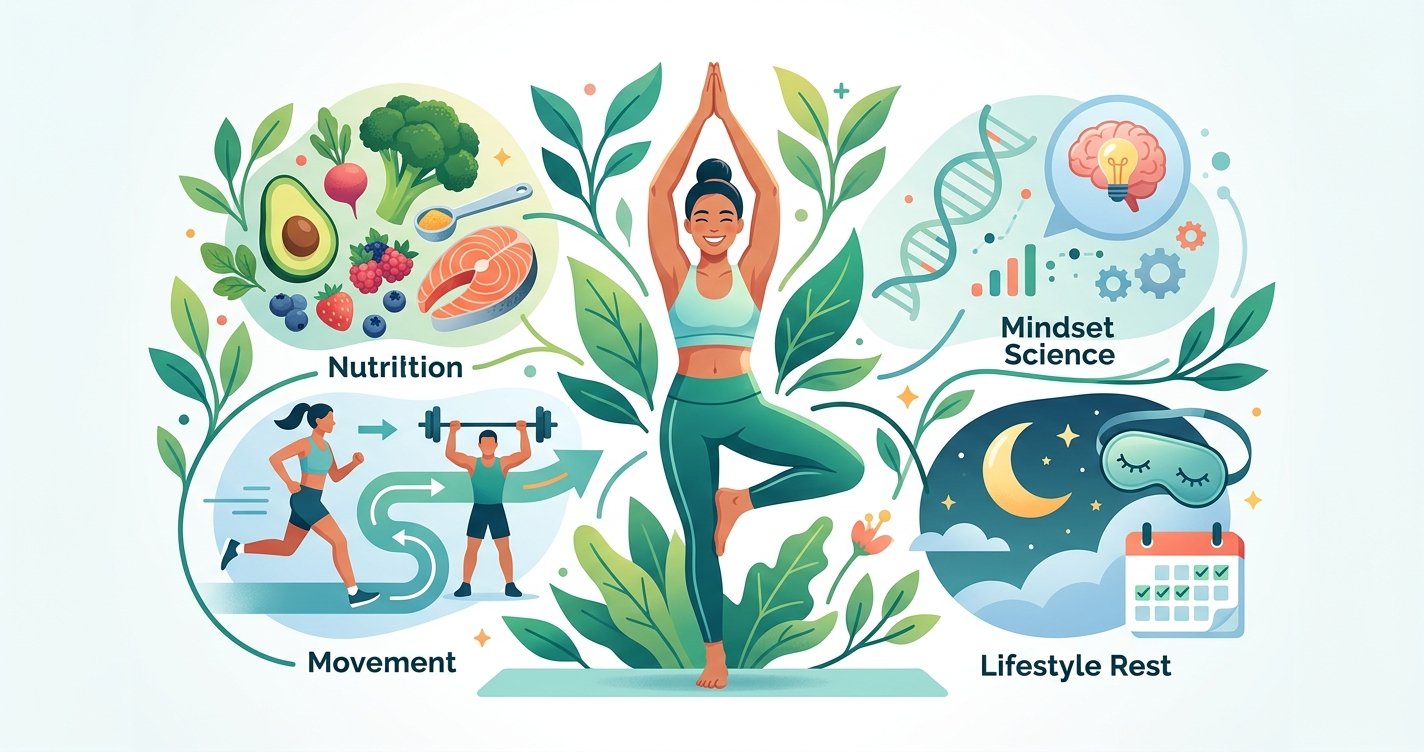
Are you tired of the endless cycle of losing weight only to gain it all back, and then some? You're not alone. Many people embark on a fat loss journey with enthusiasm, only to be met with frustration when quick fixes inevitably fail. But what if there was a better way? A sustainable, science-backed approach that not only helps you shed unwanted fat but also teaches you how to keep it off for life? Good news: there is! This isn't about deprivation or extreme diets; it's about understanding your body, making smart choices, and building habits that last.
In this comprehensive guide, we'll dive deep into the principles of sustainable fat loss, exploring evidence-based strategies that actually work. We'll uncover why crash diets are destined to fail and equip you with the knowledge and encouragement to build a healthier, happier you, one thoughtful step at a time. Let's embark on this journey together! this excellent wellness product
Why “Quick Fixes” Fail: The Truth About Crash Diets
The allure of rapid fat loss is powerful. Promises of dropping 10 pounds in a week or achieving your dream body with minimal effort flood our feeds. However, these “quick fix” solutions, often involving severely restricted calories or eliminating entire food groups, are almost always unsustainable and can even be detrimental to your health.
Here’s why they often backfire:
- Metabolic Adaptation: When you drastically cut calories, your body perceives it as a famine. It slows down your metabolism to conserve energy, making it harder to lose fat and easier to regain weight once you return to normal eating patterns.
- Muscle Loss: Extreme calorie restriction, especially without adequate protein and strength training, often leads to a significant loss of muscle mass. Muscle is metabolically active, meaning it burns more calories at rest. Losing muscle further hinders your long-term fat loss efforts.
- Nutrient Deficiencies: Eliminating entire food groups can lead to deficiencies in essential vitamins, minerals, and macronutrients, impacting your energy levels, mood, and overall health.
- Unhealthy Relationship with Food: Crash diets often foster guilt, shame, and an unhealthy obsession with food, leading to cycles of restriction and binge eating. This psychological toll is often overlooked but profoundly impacts long-term success.
- Lack of Education: Quick fixes don't teach you sustainable habits. They’re temporary solutions that leave you without the tools to maintain your results once the “diet” is over.
True, sustainable fat loss isn't about quick results; it's about building lasting habits and understanding your body's needs. Let's explore the pillars that truly support this journey.
Pillar 1: Smart Nutrition for Lasting Results
Nutrition is the cornerstone of any successful fat loss plan. But it's not about starving yourself; it's about making informed, nourishing choices that fuel your body and create a gentle, consistent calorie deficit.
Understanding Your Calorie Deficit
At its core, fat loss requires consuming fewer calories than your body burns. This is known as a calorie deficit. However, the key is to create a moderate deficit (typically 300-500 calories below your maintenance level) that is sustainable, not extreme. Tools like online TDEE (Total Daily Energy Expenditure) calculators can give you a starting point, but listening to your body and tracking your intake for a few days can help you fine-tune this.
The Power of Protein and Fiber
Prioritizing protein and fiber in your diet is a game-changer for fat loss. Protein is highly satiating, helping you feel full and satisfied, which reduces overall calorie intake. It also helps preserve muscle mass during weight loss. Aim for at least 0.7-1 gram of protein per pound of body weight. Fiber, found in fruits, vegetables, and whole grains, adds bulk to your meals, aids digestion, and also contributes to satiety. Think lean meats, poultry, fish, eggs, legumes, nuts, seeds, and plenty of colorful produce.
Hydration and Mindful Eating
Don't underestimate the power of water! Staying well-hydrated can boost your metabolism, help you feel fuller, and sometimes even prevent you from mistaking thirst for hunger. Aim for 8-10 glasses a day. Equally important is mindful eating – paying attention to your body's hunger and fullness cues, savoring your food, and eating without distractions. This helps you enjoy your meals more and prevents overeating.
Pillar 2: Move Your Body, Build Your Strength
Exercise isn't just about burning calories; it's about building a stronger, healthier, and more metabolically efficient body. A balanced approach combines strength training, cardiovascular exercise, and general daily movement.
Embrace Strength Training
If you're not lifting weights, you're missing out on a powerful fat loss tool! Strength training builds and preserves muscle mass, which is crucial because muscle tissue burns more calories at rest than fat tissue. This means a more efficient metabolism even when you're not exercising. Aim for 2-4 strength training sessions per week, focusing on compound movements that work multiple muscle groups.
Cardio for Heart Health and Calorie Burn
Cardiovascular exercise, like brisk walking, jogging, cycling, or swimming, is excellent for heart health, improves endurance, and contributes to your daily calorie expenditure. Incorporate 150-300 minutes of moderate-intensity cardio or 75-150 minutes of vigorous-intensity cardio per week, as recommended by health organizations. Find activities you enjoy to make it sustainable!
NEAT: The Unsung Hero of Daily Activity
NEAT stands for Non-Exercise Activity Thermogenesis, and it refers to the calories you burn through everyday movements not related to structured exercise. Think walking to the store, taking the stairs, standing more, fidgeting, or doing household chores. Boosting your NEAT can significantly increase your total daily calorie expenditure. Small changes, like parking further away or taking a short walk during breaks, add up!
Pillar 3: The Crucial Role of Sleep and Stress Management
Often overlooked, sleep and stress are incredibly powerful factors in your fat loss journey. Neglecting them can sabotage even the most diligent efforts in nutrition and exercise.
Prioritize Your Zzz's
Lack of sleep messes with your hormones. It increases ghrelin (the hunger hormone) and decreases leptin (the satiety hormone), making you feel hungrier and less satisfied, often leading to cravings for high-calorie, sugary foods. Poor sleep also impacts your energy levels, making it harder to stick to your workout routine. Aim for 7-9 hours of quality sleep per night. Establish a consistent sleep schedule, create a relaxing bedtime routine, and optimize your sleep environment.
Taming the Stress Monster
Chronic stress triggers the release of cortisol, a hormone that, in excess, can promote fat storage, especially around the belly. Stress can also lead to emotional eating, where food becomes a coping mechanism. Find healthy ways to manage stress: meditation, yoga, spending time in nature, journaling, hobbies, or connecting with loved ones. It’s not about eliminating stress entirely, but learning to respond to it in healthier ways.
Pillar 4: Cultivating a Sustainable Mindset
True, lasting fat loss is as much a mental game as it is a physical one. Your mindset, patience, and consistency are paramount for navigating the ups and downs of the journey.
Patience and Consistency Over Perfection
Sustainable fat loss takes time. There will be plateaus, setbacks, and days when you feel less motivated. The key is to understand that perfection isn't the goal; consistency is. Don't let one 'bad' meal or missed workout derail your entire journey. Get back on track with the next meal or workout. Celebrate small victories and focus on progress, not perfection.
Tracking Progress Beyond the Scale
While the scale can be a useful tool, it doesn't tell the whole story. Muscle gain, water retention, and hormonal fluctuations can all affect your weight. Look for other indicators of progress: how your clothes fit, improvements in strength and endurance, better sleep, increased energy, positive mood changes, and progress photos. These non-scale victories are powerful motivators and reflect true body composition changes.
Your Journey to Lasting Fat Loss Starts Now
Embarking on a sustainable fat loss journey is a powerful commitment to your health and well-being. It's about empowering yourself with knowledge, cultivating healthy habits, and treating your body with kindness and respect. Forget the quick fixes and restrictive diets; they offer temporary relief but no lasting solution.
Remember, this is a marathon, not a sprint. Focus on one small, manageable change at a time. Prioritize nutrient-dense foods, move your body regularly, get adequate sleep, manage stress effectively, and cultivate a positive, patient mindset. You have the power to transform your health and achieve lasting fat loss. Start today, one healthy choice at a time, and watch your life change for the better. You've got this!