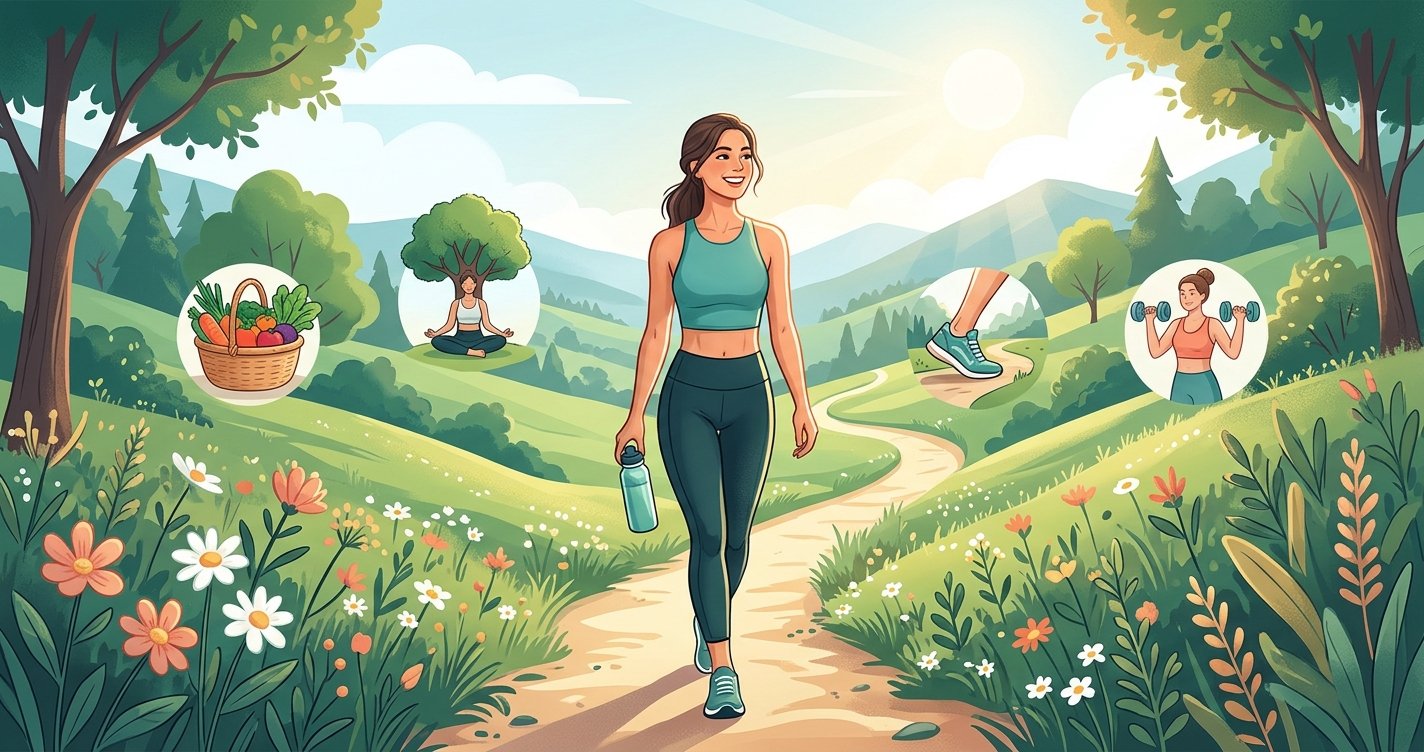
Sustainable Fat Loss: Ditch the Diets, Build Lasting Habits!
Are you tired of the yo-yo diet rollercoaster? The endless cycle of restricting, losing a few pounds, only to gain them back (and sometimes more!)? You’re not alone. Millions struggle with finding a fat loss approach that actually sticks. The good news? Sustainable fat loss isn’t about deprivation or extreme measures; it&rsquos about cultivating smart, consistent habits that seamlessly integrate into your life, leading to lasting results and a healthier, happier you.
Forget the quick fixes and empty promises. This isn’t just about shedding pounds; it’s about building a foundation for lifelong wellness. We’ll dive into evidence-based strategies that empower you to take control of your health, one positive habit at a time. Let’s embark on this journey together, with a friendly, encouraging, and realistic approach. this excellent wellness product
The Gentle Art of a Calorie Deficit: Your Foundation for Fat Loss
At its core, fat loss boils down to one fundamental principle: consuming fewer calories than your body expends. This is known as creating a “calorie deficit.” However, the key word here is “gentle.” Crash diets and extreme restriction often backfire, leading to muscle loss, nutrient deficiencies, metabolic slowdown, and ultimately, rebound weight gain.
Why “Gentle” Matters for Sustainable Results
A gentle calorie deficit — typically 300-500 calories below your maintenance level — allows your body to tap into its fat stores for energy without triggering starvation responses. This approach preserves muscle mass, keeps your metabolism humming, and makes the process feel manageable and less daunting. It’s about making small, consistent adjustments, not drastic overhauls.
- Preserves Muscle: A moderate deficit helps ensure the weight you lose is primarily fat, not precious muscle tissue, which is crucial for a healthy metabolism.
- Sustains Energy: You’ll have enough energy for daily activities and workouts, avoiding the fatigue associated with severe restriction.
- Reduces Cravings: Less extreme deficits are easier to adhere to, reducing the likelihood of intense cravings and binge eating.
- Teaches Sustainable Habits: It forces you to learn how to make healthier choices that you can maintain long-term, rather than just “dieting.”
Fueling Your Body Smartly: Nutrition for Lasting Fat Loss
While a calorie deficit is the engine, the quality of your fuel determines how well that engine runs. Focusing on nutrient-dense, whole foods will not only make your calorie deficit easier to achieve but also improve your overall health and well-being.
Prioritize Protein: Your Satiety Superstar
Protein is your best friend when it comes to fat loss. It’s the most satiating macronutrient, meaning it keeps you feeling fuller for longer, curbing unnecessary snacking. Furthermore, protein has a higher “thermic effect of food” (TEF) — your body burns more calories digesting protein than carbs or fats. It’s also vital for preserving and building muscle mass, which is metabolically active tissue.
- Aim for 20-30 grams of protein per meal: Think lean meats, poultry, fish, eggs, dairy, legumes, and tofu.
- Start your day with protein: A protein-rich breakfast sets you up for success, reducing hunger throughout the day.
Embrace Fiber-Rich Foods: The Gut-Friendly Filler
Fiber is another powerful ally in your fat loss journey. Found in fruits, vegetables, whole grains, and legumes, fiber adds bulk to your meals without adding many calories. It slows digestion, stabilizes blood sugar levels, and promotes a healthy gut — all factors that contribute to satiety and better weight management.
- Fill half your plate with non-starchy vegetables: Broccoli, spinach, bell peppers, and carrots are excellent choices.
- Opt for whole grains over refined: Brown rice, quinoa, and whole-wheat bread offer more fiber and nutrients.
Healthy Fats: Don’t Fear Them!
While fats are calorie-dense, healthy fats are essential for hormone production, nutrient absorption, and overall health. They also contribute to satiety. The key is moderation and choosing the right types.
- Focus on unsaturated fats: Avocados, nuts, seeds, olive oil, and fatty fish (like salmon) are great sources.
- Portion control: A small handful of nuts or a tablespoon of olive oil is usually sufficient.
Hydration: The Often-Forgotten Ally
Water is crucial for countless bodily functions and plays a surprisingly significant role in fat loss. Sometimes, thirst can be mistaken for hunger, leading to unnecessary snacking. Staying well-hydrated can also boost your metabolism slightly and aid in nutrient transport.
- Drink water throughout the day: Aim for 8-10 glasses (2-3 liters) daily.
- Drink water before meals: This can help you feel fuller and potentially eat less.
Move Your Body, Love Your Body: Exercise for Longevity
While nutrition is paramount for fat loss, exercise is the perfect complement, enhancing your results, improving your health, and boosting your mood. It’s not just about burning calories; it’s about building strength, improving cardiovascular health, and increasing your overall energy expenditure.
Strength Training: The Muscle-Building, Fat-Burning Engine
If you’re not lifting weights, you’re missing out! Strength training is incredibly effective for fat loss because it builds muscle. More muscle means a higher resting metabolic rate (RMR), meaning your body burns more calories even when you’re at rest. It also sculpts your body, giving you a strong, toned physique.
- Aim for 2-3 full-body strength training sessions per week: Use weights, resistance bands, or your own body weight.
- Focus on compound movements: Squats, deadlifts, presses, and rows work multiple muscle groups simultaneously.
Cardio: Your Heart’s Best Friend (and Calorie Burner)
Cardiovascular exercise is excellent for heart health, endurance, and burning calories. It complements strength training by improving your overall fitness and creating a larger calorie deficit.
- Incorporate moderate-intensity cardio: Brisk walking, jogging, cycling, or swimming for 150-300 minutes per week.
- Don’t overdo it: Excessive cardio can lead to burnout and increased hunger. Find a balance that feels good and sustainable.
NEAT: The Unsung Hero of Daily Movement
NEAT stands for Non-Exercise Activity Thermogenesis — essentially, all the calories you burn from activities that aren’t formal exercise. This includes walking, fidgeting, taking the stairs, gardening, and even standing. Boosting your NEAT can significantly increase your daily calorie expenditure without feeling like a workout.
- Walk more: Take the stairs, park further away, go for a walk during breaks.
- Stand more: Use a standing desk or simply stand up and move around every hour.
Beyond Food and Fitness: Holistic Habits for Success
Sustainable fat loss isn’t just about what you eat and how you move. It’s deeply intertwined with your overall lifestyle. Overlooking these crucial elements can sabotage even the most diligent efforts.
Sleep: The Unsung Hero of Weight Management
Lack of sleep messes with your hunger hormones. When you’re sleep-deprived, ghrelin (the hunger hormone) increases, and leptin (the satiety hormone) decreases, making you feel hungrier and less satisfied. It also impacts insulin sensitivity and can increase cortisol, a stress hormone linked to belly fat storage.
- Aim for 7-9 hours of quality sleep per night: Create a relaxing bedtime routine.
- Prioritize sleep: It’s as important as diet and exercise for fat loss.
Stress Management: Taming the Cortisol Beast
Chronic stress leads to elevated cortisol levels, which can promote fat storage, especially around the abdominal area. Stress can also lead to emotional eating and poor food choices.
- Find healthy coping mechanisms: Meditation, yoga, deep breathing, spending time in nature, or hobbies can help.
- Identify triggers: Understand what causes your stress and work to minimize or manage it.
Mindful Eating: Connecting with Your Body’s Signals
Mindful eating means paying attention to your food — its taste, texture, and smell — and listening to your body’s hunger and fullness cues. It helps you eat more slowly, enjoy your food more, and stop when you’re satisfied, not stuffed.
- Eat without distractions: Put away your phone and turn off the TV.
- Chew slowly and savor each bite: It takes about 20 minutes for your brain to register fullness.
- Ask yourself: “Am I truly hungry, or am I eating out of boredom, stress, or habit?”
Mindset Matters: Cultivating Patience and Self-Compassion
The journey to sustainable fat loss is not linear. There will be good days and challenging days. Your mindset is perhaps the most powerful tool you possess for long-term success.
Ditch Perfection, Embrace Progress
Don’t aim for perfection; aim for consistency. One “off” meal or day doesn’t derail your entire progress. It’s a minor blip. Learn from it, adjust, and get back on track without self-judgment.
- Celebrate small victories: Acknowledge non-scale victories like increased energy, better sleep, or clothes fitting better.
- Practice self-compassion: Be kind to yourself. Treat yourself like you would a good friend.
The Power of Consistency
Small, consistent efforts compound over time into significant results. It’s not about doing everything perfectly once in a while; it’s about doing the right things consistently, even when you don’t feel like it.
- Build routines: Make healthy choices automatic by incorporating them into your daily schedule.
- Be patient: Sustainable fat loss takes time. Trust the process and focus on the habits, not just the scale.
Your Sustainable Journey Begins Now
Sustainable fat loss is a marathon, not a sprint. It’s a journey of self-discovery, learning what works best for your body and lifestyle. By focusing on a gentle calorie deficit, nutrient-dense foods, consistent movement, adequate sleep, stress management, and a positive mindset, you’re not just losing fat; you’re building a healthier, more resilient you.
Remember, every small, positive habit you adopt is a step towards lasting success. Be patient, be persistent, and most importantly, be kind to yourself. You have the power to create a healthier future, one sustainable habit at a time. What’s one small habit you can start today?