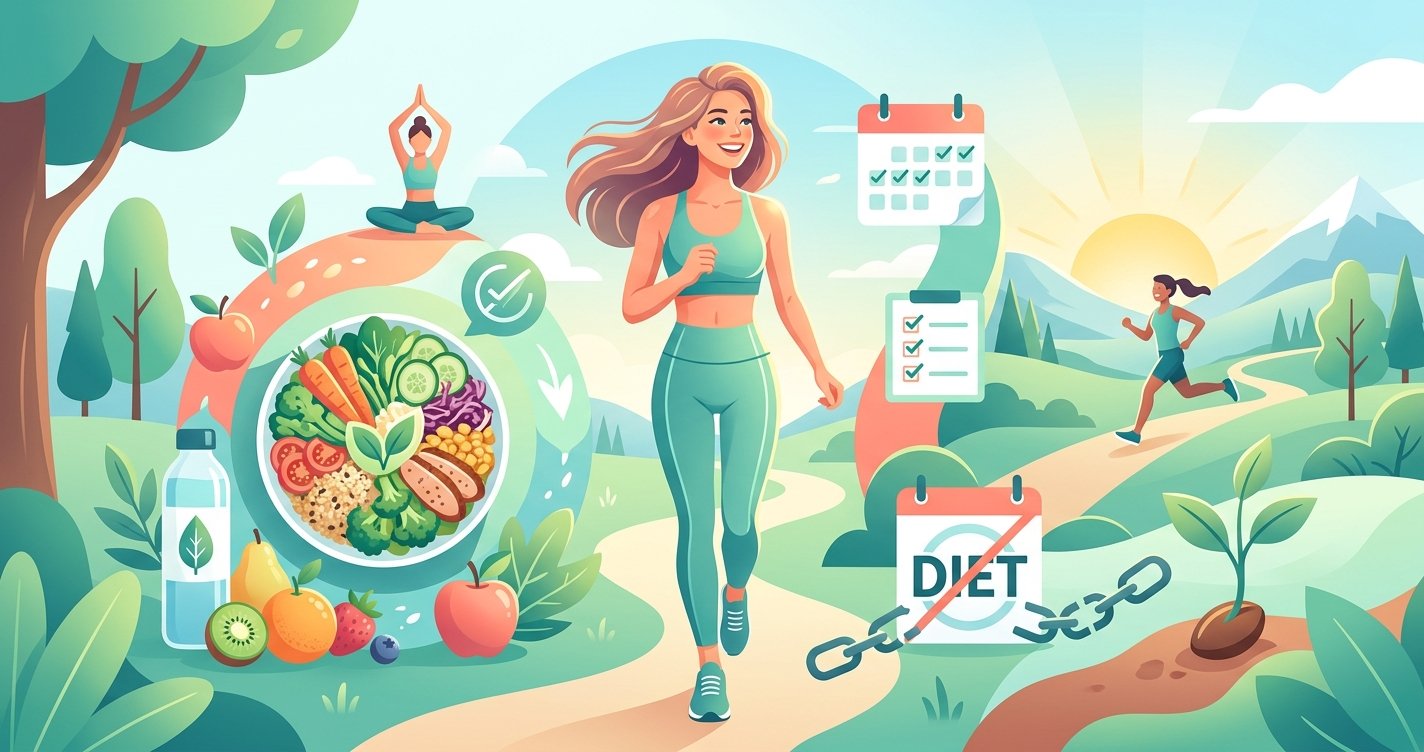
Have you ever felt caught in the frustrating cycle of losing weight only to gain it back, sometimes even more? You're not alone. The world of fat loss is often dominated by quick fixes, extreme diets, and promises of overnight transformations. While these approaches might deliver temporary results, they rarely lead to lasting change. True, sustainable fat loss isn't about deprivation; it's about building healthy habits that integrate seamlessly into your life, nourishing your body, and transforming your relationship with food and movement.
This isn't just about the number on the scale; it's about improving your overall health, boosting your energy, and feeling confident in your own skin for the long haul. Forget the restrictive rules and embrace a balanced, evidence-based approach that empowers you to achieve and maintain your goals without sacrificing your well-being. Let's dive into the core principles of sustainable fat loss. this excellent wellness product
Why Quick Fixes Don't Last (And What Does)
The allure of rapid weight loss is powerful. "Lose 10 pounds in a week!" headlines grab our attention, promising a swift escape from our current struggles. However, these extreme methods often involve severe calorie restriction or cutting out entire food groups, leading to immediate but unsustainable results. When you drastically cut calories, your body, designed for survival, perceives this as a famine. It responds by slowing down your metabolism (a process known as metabolic adaptation), making it harder to lose fat and easier to regain it once you return to normal eating patterns.
Moreover, highly restrictive diets are psychologically draining. They foster feelings of deprivation, often leading to intense cravings, binge eating, and ultimately, a sense of failure. This yo-yo dieting cycle can be detrimental to both your physical health and mental well-being. Sustainable fat loss, in contrast, focuses on gradual, consistent changes that you can maintain indefinitely. It’s about creating a lifestyle, not just adhering to a temporary diet.
The Cornerstone: A Gentle Calorie Deficit
At its heart, fat loss still boils down to one fundamental principle: consuming fewer calories than your body burns. This creates a calorie deficit, prompting your body to tap into its fat stores for energy. However, the key word here is "gentle." A modest calorie deficit (typically 300-500 calories below your maintenance level) is far more effective and sustainable than a drastic one.
Why gentle? It minimizes metabolic slowdown, preserves muscle mass, and keeps hunger at bay, making the process much more manageable and enjoyable. Instead of feeling starved, you'll feel satisfied and energized. You don't necessarily need to meticulously track every calorie forever; instead, focus on mindful eating, portion control, and choosing nutrient-dense foods that naturally fill you up without excessive calories. Listen to your body's hunger and fullness cues.
Power Up with Protein: Your Fat Loss Ally
If there's one macronutrient that deserves star billing in your fat loss journey, it's protein. Protein is an absolute powerhouse for several reasons:
- Satiety: Protein is incredibly filling. Including adequate protein in each meal helps you feel fuller for longer, reducing the likelihood of snacking on less healthy options.
- Muscle Preservation: When you're in a calorie deficit, your body can sometimes break down muscle tissue along with fat. Sufficient protein intake helps protect your precious muscle mass, which is crucial for maintaining a healthy metabolism.
- Thermic Effect of Food (TEF): Protein has a higher TEF than carbohydrates or fats, meaning your body burns more calories digesting and metabolizing protein.
Aim for roughly 0.7 to 1 gram of protein per pound of your target body weight (or current body weight if you're quite active). Excellent sources include lean meats, poultry, fish, eggs, dairy products (Greek yogurt, cottage cheese), legumes, tofu, and protein supplements.
Embrace Strength Training: More Than Just Muscles
While cardio has its place, strength training is a non-negotiable component of sustainable fat loss. Here's why:
- Builds and Preserves Muscle: As mentioned, muscle is metabolically active tissue. The more muscle you have, the more calories your body burns at rest. Strength training helps you build and retain muscle, especially important during a calorie deficit.
- Boosts Metabolism: A good strength training session elevates your metabolism for hours afterward (the "afterburn effect"), meaning you continue to burn extra calories even after you've left the gym.
- Improves Body Composition: You might not see a huge drop on the scale initially, but you'll notice changes in how your clothes fit and how your body looks and feels – a stronger, leaner physique.
- Enhances Bone Density and Overall Health: Beyond fat loss, strength training offers a myriad of health benefits, from stronger bones to better balance and improved mood.
Start with 2-3 full-body strength training sessions per week. You can use bodyweight exercises, resistance bands, dumbbells, or gym machines. Focus on proper form and progressive overload (gradually increasing the challenge over time).
Sleep and Stress: The Unsung Heroes of Fat Loss
Often overlooked, the quality of your sleep and your ability to manage stress play critical roles in your fat loss success. When you're sleep-deprived, your body's hormones go haywire:
- Ghrelin (the hunger hormone) increases, making you feel hungrier.
- Leptin (the satiety hormone) decreases, meaning you don't feel full even after eating.
- Cortisol (the stress hormone) rises, which can promote fat storage, particularly around the abdomen, and increase cravings for high-calorie, sugary foods.
Similarly, chronic stress keeps cortisol levels elevated, making fat loss an uphill battle. Prioritize 7-9 hours of quality sleep each night. Create a relaxing bedtime routine, limit screen time before bed, and ensure your bedroom is dark, quiet, and cool. For stress, find healthy coping mechanisms like meditation, yoga, spending time in nature, journaling, or engaging in hobbies you enjoy.
Hydration and Fiber: Simple Habits, Big Impact
These two often-underestimated elements can significantly support your fat loss efforts:
- Hydration: Water is essential for every bodily function, including metabolism. Drinking enough water can also help you feel fuller, potentially reducing overall calorie intake. Sometimes, thirst is mistaken for hunger. Aim for at least 8 glasses of water daily, and more if you're active or in a hot climate.
- Fiber: Found in fruits, vegetables, whole grains, and legumes, fiber is a game-changer for satiety and gut health. Soluble fiber forms a gel in your digestive system, slowing digestion and absorption, which helps you feel full longer and stabilizes blood sugar levels. Insoluble fiber adds bulk to your stool, promoting regularity. Aim for 25-35 grams of fiber per day.
Incorporating these simple habits can make a surprising difference in how you feel and how effectively your body manages fat loss.
Mindset Matters: Cultivating Patience and Self-Compassion
Perhaps the most crucial, yet often neglected, aspect of sustainable fat loss is your mindset. This journey is not linear; there will be plateaus, setbacks, and moments of frustration. It's vital to cultivate patience and self-compassion. Don't seek perfection; strive for consistency.
- Focus on Non-Scale Victories: How do your clothes fit? How's your energy? Are you sleeping better? Can you lift more or walk further? These indicators are often more meaningful than the number on the scale.
- Embrace Imperfection: One "bad" meal or missed workout won't derail your progress. Acknowledge it, learn from it, and get back on track with your next meal or workout.
- Celebrate Progress: Acknowledge how far you've come. Positive reinforcement fuels motivation.
- Develop a Growth Mindset: See challenges as opportunities to learn and adapt, rather than reasons to give up.
Your mental strength and resilience are just as important as your physical efforts. Treat your body with kindness and respect throughout the process.
Your Journey to Lasting Fat Loss Starts Now
Sustainable fat loss isn't a race; it's a marathon built on consistent, healthy choices. By focusing on a gentle calorie deficit, prioritizing protein, embracing strength training, optimizing sleep and stress management, staying hydrated, increasing fiber, and cultivating a positive mindset, you're not just losing fat – you're building a healthier, happier, and more energetic version of yourself.
Ditch the diet mentality and empower yourself with habits that truly last. This isn't about restriction; it's about liberation. You have the power to create a sustainable lifestyle that supports your goals and enhances your well-being for years to come. Start small, stay consistent, and trust the process. Your future self will thank you!