Tired of the Yo-Yo? Discover Sustainable Fat Loss Through Lasting Habits
Have you ever felt caught in the endless cycle of dieting? You commit to a strict plan, see some initial results, only to find yourself back where you started (or even further behind) a few months later? It's a frustrating, all-too-common experience, and it's not your fault. The problem often isn't a lack of willpower, but rather a reliance on temporary fixes instead of building sustainable, lifelong habits.
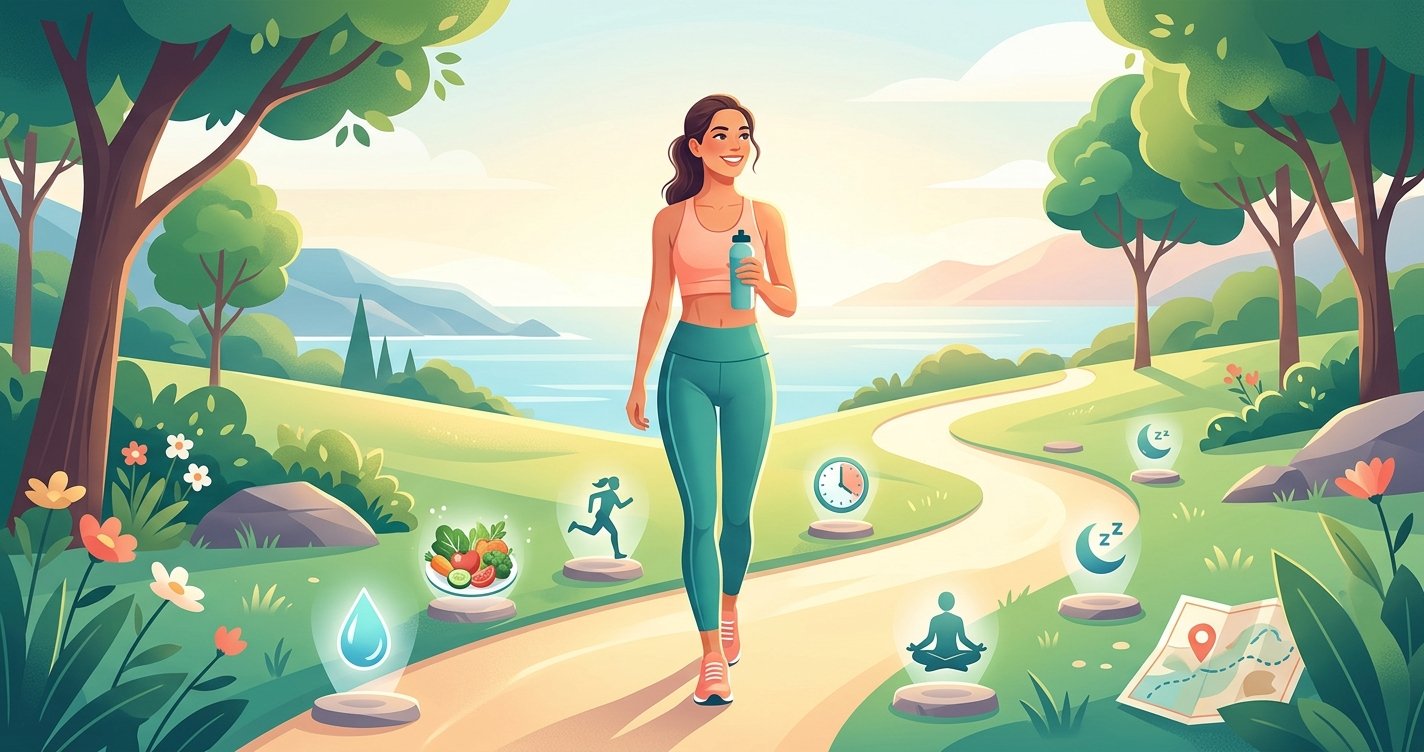
True fat loss isn't about deprivation or quick fixes; it's about making gradual, consistent changes that you can maintain indefinitely. It's about shifting your mindset from a temporary diet to a permanent lifestyle upgrade. In this guide, we'll explore an evidence-based approach to sustainable fat loss, focusing on practical habits that will not only help you shed unwanted fat but also improve your overall health and well-being for the long run. this excellent wellness product
Why Quick Fixes Often Lead to Quick Rebounds (The Science Behind It)
The allure of rapid results is powerful. Crash diets, extreme calorie restriction, and grueling workout regimens promise to transform your body in weeks. While these approaches might deliver initial weight loss, they rarely lead to lasting fat loss. Here's why:
- Metabolic Adaptation: When you drastically cut calories, your body perceives it as a famine. It slows down your metabolism to conserve energy, making further fat loss harder and increasing the likelihood of regaining weight once you return to normal eating patterns.
- Hormonal Imbalance: Extreme dieting can wreak havoc on hunger-regulating hormones like leptin and ghrelin, leading to increased cravings and a constant feeling of hunger. Cortisol, the stress hormone, can also rise, potentially contributing to fat storage, particularly around the midsection.
- Nutrient Deficiencies: Restrictive diets often cut out entire food groups, leading to a lack of essential vitamins, minerals, and macronutrients vital for energy, mood, and overall health.
- Psychological Burnout: The mental and emotional toll of constant deprivation and extreme effort is unsustainable. This often leads to feelings of failure, guilt, and eventually, giving up.
The evidence is clear: studies consistently show that while rapid weight loss can occur initially, the majority of individuals struggle to maintain it long-term. Sustainable change requires a different strategy.
Fueling Your Body for Lasting Change: The Nutrition Playbook
Forget strict meal plans and forbidden foods. Sustainable fat loss nutrition is about making smart, informed choices that nourish your body and keep you feeling satisfied.
- Prioritize Protein: Protein is king for fat loss. It helps you feel fuller for longer, reduces cravings, and is crucial for preserving muscle mass while you're in a calorie deficit. Aim for a lean protein source (chicken, fish, tofu, legumes, Greek yogurt) with every meal.
- Embrace Whole Foods: Build your diet around nutrient-dense, unprocessed foods. Think fruits, vegetables, whole grains, lean proteins, and healthy fats. These foods are rich in fiber, vitamins, and minerals, providing sustained energy and supporting overall health.
- Understand Portion Awareness: You don't need to obsessively count every calorie, but becoming aware of appropriate portion sizes is key. Use visual cues (e.g., a palm-sized portion of protein, a fist-sized portion of carbs) and listen to your body's hunger and fullness signals.
- Hydration is Key: Often overlooked, staying well-hydrated is crucial. Water can help with satiety, support metabolism, and improve energy levels. Sometimes, what feels like hunger is actually thirst.
- Mindful Eating: Slow down, savor your food, and pay attention to how your body feels. Eating mindfully can help you recognize when you're truly full, preventing overeating.
Remember, consistency trumps perfection. It’s okay to enjoy treats in moderation; the goal is to build a pattern of healthy eating that you can stick with.
Movement That Matters: Exercise for Sustainable Fat Loss
Exercise isn't just about burning calories; it's about building strength, improving cardiovascular health, boosting mood, and enhancing your body's ability to burn fat efficiently.
- Strength Training is Your Best Friend: Incorporating resistance training (weights, bodyweight exercises, resistance bands) 2-3 times a week is incredibly effective. Muscle tissue is metabolically active, meaning it burns more calories at rest than fat tissue. Building muscle not only helps you look leaner but also boosts your metabolism, making fat loss easier in the long run.
- Cardiovascular Exercise for Health and Stamina: Activities like brisk walking, jogging, cycling, or swimming are excellent for heart health, improving endurance, and burning calories. Aim for at least 150 minutes of moderate-intensity cardio per week. Find activities you genuinely enjoy to make it sustainable.
- Increase NEAT (Non-Exercise Activity Thermogenesis): This refers to the calories you burn through everyday activities that aren't formal exercise – walking, standing, fidgeting, taking the stairs. Small increases in NEAT throughout your day can add up significantly.
- Consistency Over Intensity: It's better to do a moderate workout consistently than to do one super intense workout and then burn out for a week. Find a routine that fits your lifestyle and energy levels.
The combination of strength training and cardio, coupled with increased daily movement, creates a powerful synergy for sustainable fat loss.
The Unsung Heroes: Lifestyle Pillars for Lasting Fat Loss
Beyond diet and exercise, several crucial lifestyle factors play a significant role in your fat loss journey.
- Prioritize Quality Sleep: Lack of sleep can sabotage your efforts. It disrupts hunger hormones (ghrelin increases, leptin decreases), leading to increased cravings for high-calorie foods and reduced energy for workouts. Aim for 7-9 hours of quality sleep per night.
- Manage Stress Effectively: Chronic stress elevates cortisol levels, which can promote fat storage, especially around the abdominal area. Find healthy ways to manage stress, such as meditation, yoga, spending time in nature, hobbies, or connecting with loved ones.
- Patience and Persistence: Sustainable fat loss is a marathon, not a sprint. There will be plateaus and setbacks. Embrace them as part of the journey, learn from them, and keep moving forward. Celebrate small victories along the way.
These pillars provide the foundation upon which your healthy eating and exercise habits can truly flourish.
Building Unshakeable Habits: Small Steps, Big Wins
The key to sustainability lies in transforming behaviors into automatic habits. Here's how to make your new healthy choices stick:
- Start Small, Build Up: Don't try to change everything at once. Pick one or two small habits to focus on (e.g., adding a serving of vegetables to dinner, taking a 15-minute walk daily). Once those are ingrained, add another.
- Habit Stacking: Link a new habit to an existing one. For example, “After I brush my teeth in the morning, I will drink a large glass of water.” This uses your existing routines as triggers for new, healthy behaviors.
- Optimize Your Environment: Make healthy choices the easy choices. Stock your fridge with nutritious foods, keep unhealthy snacks out of sight (or out of the house), lay out your workout clothes the night before.
- Track Your Progress (Not Just the Scale): Keep a journal of your meals, workouts, sleep, and mood. Seeing your consistency can be incredibly motivating.
- Be Kind to Yourself: Perfection is unrealistic. If you slip up, don't dwell on it. Acknowledge it, learn from it, and get back on track with your next meal or workout. Self-compassion is a powerful tool for long-term success.
Remember, consistency over perfection. Every small, consistent effort compounds over time into significant results.
Beyond the Scale: Measuring True Progress
While the scale can be a useful tool, it doesn't tell the whole story, especially when you're building muscle. Focus on a variety of metrics to gauge your progress:
- Body Measurements: Track your waist, hips, arms, and thighs every few weeks. Reductions in these measurements indicate fat loss, even if the scale hasn't moved much.
- Progress Photos: Take photos every 4-6 weeks in the same lighting and clothing. Visual changes can be incredibly motivating and often reveal progress the scale misses.
- How Your Clothes Fit: This is a practical and often very encouraging indicator of body composition changes.
- Energy Levels and Mood: Notice improvements in your daily energy, sleep quality, and overall mood. These are significant indicators of improved health.
- Strength and Endurance: Are you lifting heavier weights? Can you walk or run further? Performance improvements are a clear sign of progress.
By looking at the bigger picture, you'll stay motivated and truly appreciate the comprehensive health benefits of your new habits.
Your Sustainable Fat Loss Journey Starts Now
Breaking free from the diet cycle is entirely possible when you shift your focus from temporary fixes to building sustainable habits. It requires patience, consistency, and a commitment to nurturing your body with nutritious food, regular movement, and adequate rest. Embrace the journey, celebrate every small victory, and remember that every healthy choice you make is a step towards a stronger, healthier, and happier you.
Start small, be consistent, and trust the process. Your body will thank you for it.