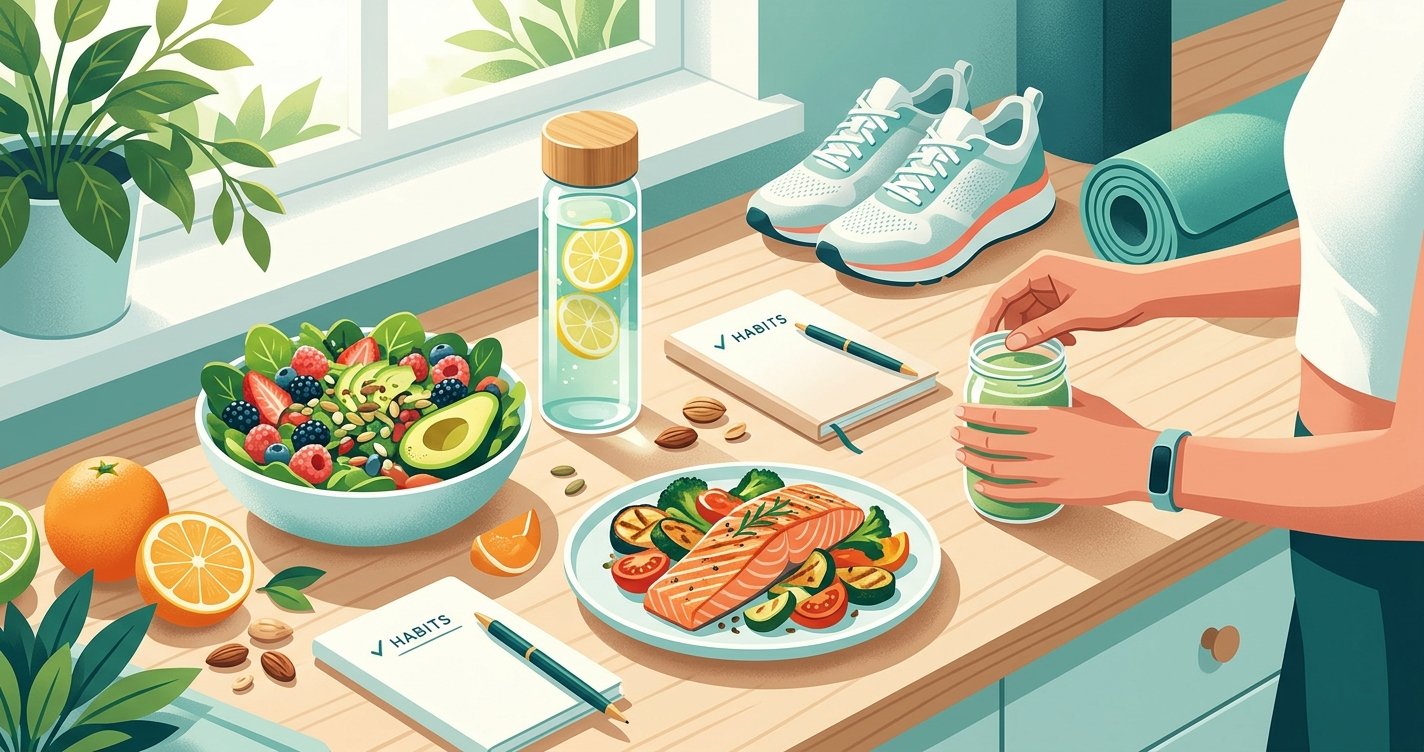
Are you tired of the endless cycle of restrictive diets, quick fixes, and the inevitable rebound weight gain? Many people embark on a fat loss journey hoping for rapid results, only to find themselves frustrated and demotivated when those results don't last. The truth is, genuine, sustainable fat loss isn't about deprivation or extreme measures; it's about building healthy, consistent habits that become a natural part of your life. This guide will help you understand the evidence-based principles behind long-term weight loss and empower you to create a personalized strategy for a healthier, happier you.
Why Quick Fixes Fail (and What Works Instead)
The Allure of the Quick Fix
We live in a world that promises instant gratification, and the weight loss industry is no exception. Detox teas, extreme calorie restriction, and fad diets often promise dramatic results in a short amount of time. While these methods might lead to initial weight loss (often water weight and some muscle, not just fat), they are rarely sustainable. They disrupt your metabolism, lead to nutrient deficiencies, and are nearly impossible to maintain psychologically. This often results in the dreaded 'yo-yo effect,' where lost weight quickly returns, sometimes with extra. this excellent wellness product
The Sustainable Secret: Lifestyle Change
The key to permanent fat loss lies not in a temporary diet, but in a permanent shift in lifestyle. This means embracing a holistic approach that focuses on nourishing your body, moving regularly, prioritizing sleep, managing stress, and cultivating a positive mindset. It's about consistency, moderation, and making choices you can stick with for the long haul. This approach helps you avoid rebound weight gain and fosters genuine well-being.
The Foundation: Understanding Your Calorie Deficit
It's Science, Not Magic
At its core, fat loss boils down to one fundamental principle: consuming fewer calories than your body expends. This is known as a calorie deficit. Your body then taps into its stored fat reserves for energy. While it sounds simple, the execution needs to be smart and sustainable.
How to Create a Gentle Deficit
Starving yourself is counterproductive. A severe calorie deficit can slow your metabolism, lead to muscle loss, and make you feel constantly hungry and lethargic. Instead, aim for a modest deficit of 300-500 calories per day. This allows for steady fat loss (typically 1-2 pounds per week) without feeling deprived. You can achieve this by:
- Making smarter food choices (more on this next!).
- Increasing your physical activity.
- Being mindful of portion sizes.
Tools like online calculators can estimate your daily caloric needs, but remember they are just estimates. Listen to your body and adjust as needed.
Fueling Your Body Right: The Power of Protein and Whole Foods
Protein: Your Fat Loss Ally
When it comes to healthy eating for fat loss, protein is paramount. Protein helps you feel full and satisfied, reducing overall calorie intake. It also has a higher thermic effect, meaning your body burns more calories digesting it compared to fats or carbohydrates. Crucially, adequate protein intake helps preserve muscle mass during a calorie deficit, which is vital for maintaining a healthy metabolism. Aim for a protein source with every meal:
- Lean meats (chicken breast, turkey, lean beef)
- Fish and seafood
- Eggs
- Dairy (Greek yogurt, cottage cheese)
- Legumes (lentils, beans)
- Tofu and tempeh
Embrace Whole, Unprocessed Foods
Focus on a diet rich in whole, unprocessed foods. These are naturally packed with fiber, vitamins, and minerals that support overall health and satiety. Fiber-rich foods (fruits, vegetables, whole grains) keep you full, aid digestion, and help regulate blood sugar levels, preventing energy crashes and cravings. Limit highly processed foods, sugary drinks, and excessive unhealthy fats, as these are often calorie-dense but nutrient-poor.
Move Your Body: The Role of Exercise (Beyond Just Cardio)
Strength Training: A Game Changer
While cardio burns calories, strength training for fat loss is arguably more impactful for long-term body composition. Building muscle increases your resting metabolic rate, meaning your body burns more calories even when you're at rest. It also helps sculpt your body, giving you a leaner, more toned physique. Don't be afraid of the weights; lifting heavy will not make you 'bulky,' but strong and lean.
Cardio: For Health and Calorie Burn
Cardiovascular exercise is still vital for heart health and can significantly contribute to your calorie deficit. Aim for a mix of moderate-intensity activities (like brisk walking, jogging, cycling) and perhaps some high-intensity interval training (HIIT) if suitable for your fitness level. The best cardio is the one you enjoy and will do consistently.
Everyday Movement Matters
Beyond structured workouts, increasing your Non-Exercise Activity Thermogenesis (NEAT) can make a big difference. This includes all the calories you burn from daily activities outside of planned exercise. Think walking more, taking the stairs, standing instead of sitting, and fidgeting. These small movements add up throughout the day.
Beyond the Plate: Sleep, Stress, and Hydration
The Underrated Power of Sleep
Often overlooked, sleep plays a critical role in holistic fat loss. Insufficient sleep disrupts hormones that regulate appetite (ghrelin and leptin), leading to increased hunger and cravings for unhealthy foods. It also elevates cortisol, a stress hormone linked to increased fat storage, especially around the belly. Aim for 7-9 hours of quality sleep per night.
Managing Stress for Fat Loss
Chronic stress can wreak havoc on your fat loss efforts. Like poor sleep, stress increases cortisol levels, which can promote fat accumulation. Furthermore, many people turn to food for comfort when stressed, leading to emotional eating. Incorporate stress-reducing activities into your routine: mindfulness, meditation, yoga, spending time in nature, or engaging in hobbies you enjoy.
Hydration: Simple Yet Crucial
Drinking enough water is a simple yet powerful tool. Water can help you feel fuller, potentially reducing overall calorie intake. It's also essential for metabolic processes and helps your body function optimally. Often, thirst is mistaken for hunger, so staying well-hydrated can prevent unnecessary snacking. Aim for at least 8 glasses of water a day, more if you're active.
Mindset Matters: Cultivating Patience and Self-Compassion
The Marathon, Not a Sprint
Permanent fat loss is a journey, not a destination, and it's certainly not a sprint. There will be ups and downs, plateaus, and even occasional setbacks. Embrace patience and understand that progress isn't always linear. Focus on non-scale victories – improved energy, better sleep, stronger lifts, clothes fitting better – rather than solely fixating on the number on the scale.
Be Kind to Yourself
Perfection is an illusion. Don't let one 'off' meal or missed workout derail your entire progress. Practice self-compassion. Acknowledge the slip, learn from it, and get back on track with your next meal or workout. All-or-nothing thinking often leads to giving up entirely. Remember, consistency beats perfection every time.
Making It Stick: Building Habits for Life
Small Changes, Big Impact
Instead of trying to overhaul everything at once, focus on building one or two new healthy habits at a time. Once they feel natural, add another. This gradual approach is far more sustainable than radical changes. Start with something simple: adding a serving of vegetables to dinner, taking a 15-minute walk daily, or swapping a sugary drink for water.
Seek Support and Accountability
You don't have to do this alone. Share your goals with friends or family, find a workout buddy, or consider working with a coach. Having a support system can provide encouragement, motivation, and accountability, making your journey to lasting change much smoother.
Track Your Progress (Beyond the Scale)
While the scale can be a tool, it doesn't tell the whole story. Track other metrics: body measurements, progress photos, how your clothes fit, your energy levels, strength gains in the gym, and even your mood. These non-scale victories provide valuable motivation and a more comprehensive view of your progress.
Your Journey to Lasting Change
Achieving sustainable fat loss isn't about following a rigid diet plan for a few weeks; it's about making conscious, healthy choices that accumulate into a lifestyle. By understanding the science, prioritizing whole foods and protein, incorporating both strength and cardio, optimizing sleep and stress, and cultivating a patient, compassionate mindset, you're not just losing weight – you're building a foundation for lifelong health and well-being. Start small, stay consistent, and celebrate every step of your journey. You have the power to create lasting change!