Tired of the Yo-Yo? Discover the Secret to Sustainable Fat Loss
Have you ever embarked on a strict diet, seen some initial results, only to find yourself back where you started – or even heavier – a few months later? You're not alone. The world of fat loss is often dominated by tempting 'quick fixes' and extreme approaches that promise rapid results but rarely deliver lasting change. While the allure of shedding pounds quickly is strong, these methods often overlook the crucial elements of long-term health and genuine sustainability.
This isn't just about losing weight; it's about transforming your relationship with food, movement, and your body. In this comprehensive guide, we'll ditch the fads and dive into an evidence-based, encouraging approach to sustainable fat loss. We’ll explore how to build habits that not only help you reach your goals but also maintain them, fostering a healthier, happier you for years to come. this excellent wellness product
The Flaws of "Quick Fix" Diets: Why They Fail You
Before we build a better path, it’s important to understand why the well-trodden 'crash diet' road so often leads to a dead end. Many people jump from one restrictive plan to another, experiencing a cycle of initial success followed by frustration and regain. This isn't a failure of willpower; it's often a failure of the method itself.
Why Crash Diets Often Backfire: The Science
Crash diets typically involve drastically cutting calories or eliminating entire food groups. While this creates a calorie deficit necessary for fat loss, it comes with significant drawbacks:
- Metabolic Adaptation: Your body is incredibly smart. When calories are severely restricted, your metabolism can slow down to conserve energy, making further fat loss more challenging.
- Muscle Loss: Extreme calorie deficits, especially without adequate protein and strength training, can lead to the loss of precious muscle mass. Muscle is metabolically active, meaning it burns more calories at rest. Losing it further hampers your long-term fat loss potential.
- Nutrient Deficiencies: Restricting food groups can lead to a lack of essential vitamins and minerals, impacting energy levels, mood, and overall health.
- Rebound Weight Gain: Once the diet ends (because they're rarely sustainable), people often return to old eating habits, and the body, having been in a state of perceived starvation, is primed to store fat more efficiently, leading to rapid weight regain, often called 'yo-yo dieting.'
The Psychological Toll
Beyond the physical, crash diets can take a heavy toll on your mental and emotional well-being. They often lead to feelings of deprivation, guilt, anxiety around food, and can even contribute to disordered eating patterns. This negative relationship with food and your body makes lasting change incredibly difficult.
The Pillars of Sustainable Fat Loss: Building a Strong Foundation
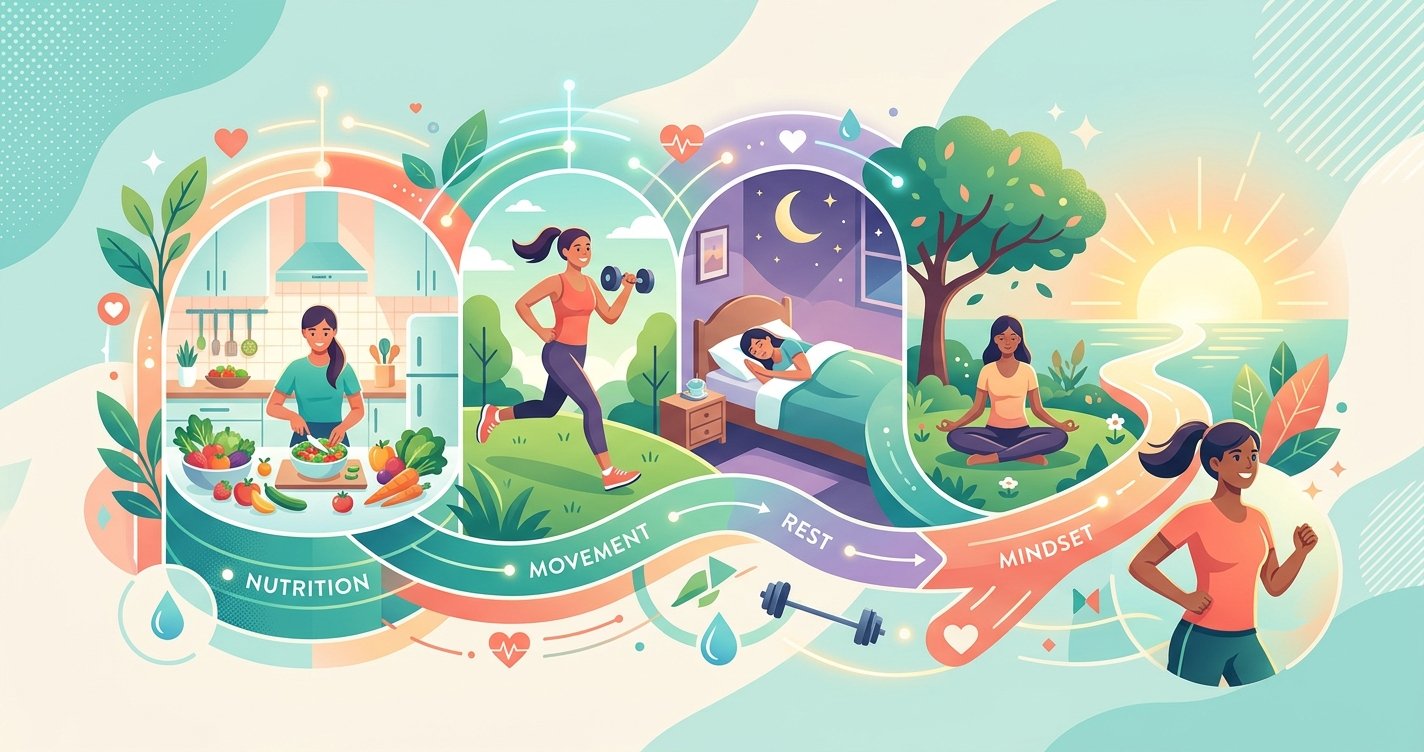
Sustainable fat loss isn't about deprivation; it's about optimization. It’s about creating a lifestyle you can genuinely enjoy and maintain. Here are the key pillars:
Pillar 1: Smart Nutrition – Fueling Your Body, Not Depriving It
At its core, fat loss requires a consistent calorie deficit – consuming slightly fewer calories than your body burns. However, how you achieve this deficit makes all the difference.
- Understanding Your Calorie Needs: Instead of guessing, learn your estimated daily calorie needs and aim for a modest deficit (e.g., 300-500 calories below maintenance) that feels manageable.
- Prioritize Protein: Protein is king for fat loss. It helps you feel fuller for longer, reduces cravings, and is crucial for preserving muscle mass during a deficit. Aim for a good source of protein at every meal (lean meats, fish, eggs, dairy, legumes, tofu).
- Embrace Fiber-Rich Foods: Fiber from fruits, vegetables, and whole grains adds volume to your meals, aids digestion, and contributes to satiety, helping you eat less overall.
- Don't Fear Healthy Fats: Fats are essential for hormone production and nutrient absorption. Focus on unsaturated fats from avocados, nuts, seeds, and olive oil, but be mindful of portion sizes as they are calorie-dense.
- Mindful Eating Practices: Slow down, savor your food, and pay attention to your body's hunger and fullness cues. This helps you enjoy your meals more and avoid overeating.
Pillar 2: Strategic Movement – Beyond Just "Burning Calories"
Exercise isn't just about burning calories; it's about building a stronger, healthier, more metabolically active body.
- Strength Training is Non-Negotiable: Lifting weights (or using bodyweight) 2-4 times a week is critical. It helps build and preserve muscle mass, which boosts your resting metabolism and gives your body a toned appearance.
- Incorporate Cardio for Health and Energy: Regular cardiovascular exercise (walking, jogging, cycling, swimming) improves heart health, endurance, and contributes to your calorie expenditure. Aim for a mix of moderate-intensity and occasional higher-intensity sessions.
- Boost NEAT (Non-Exercise Activity Thermogenesis): Simply moving more throughout your day – taking the stairs, parking further away, standing while you work, fidgeting – adds up significantly and burns more calories than you might realize.
The Lifestyle Factor: More Than Just Diet and Exercise
Fat loss isn't just about what you eat and how you move; it's deeply intertwined with your overall lifestyle. Overlooking these factors can sabotage even the best efforts.
Prioritizing Sleep: The Unsung Hero of Fat Loss
Lack of sleep can wreak havoc on your hormones, increasing ghrelin (the hunger hormone) and decreasing leptin (the satiety hormone). It also elevates cortisol, a stress hormone linked to increased fat storage, especially around the belly. Aim for 7-9 hours of quality sleep per night to optimize your body's fat-burning potential and decision-making abilities.
Stress Management: Taming Cortisol for Better Results
Chronic stress keeps cortisol levels elevated, which can promote fat storage, especially visceral fat around your organs. Find healthy ways to manage stress, whether it's through meditation, yoga, spending time in nature, hobbies, or connecting with loved ones. Reducing stress helps your body function optimally for fat loss.
Hydration: Simple Yet Powerful
Drinking enough water is often overlooked but plays a vital role. Water helps with metabolism, can reduce appetite (sometimes thirst is mistaken for hunger), and supports overall bodily functions. Keep a water bottle handy and sip throughout the day.
Building Lasting Habits and a Positive Mindset
The true key to sustainable fat loss lies in shifting your perspective from a temporary 'diet' to a permanent lifestyle change, built on consistent, healthy habits.
Small Changes, Big Impact: The Power of Consistency
Don't try to overhaul everything at once. Focus on one or two small, actionable changes you can consistently stick to. For example, add a serving of vegetables to one meal, go for a 15-minute walk daily, or swap sugary drinks for water. These small wins build momentum and confidence.
Setting Realistic Goals and Celebrating Progress
Aim for a healthy, sustainable rate of fat loss (e.g., 1-2 pounds per week). Focus on non-scale victories too – improved energy, better sleep, clothes fitting differently, increased strength, or a more positive mood. Celebrate these achievements to stay motivated.
Dealing with Plateaus and Setbacks
Fat loss isn't linear. You will encounter plateaus and occasional setbacks. This is normal! Instead of getting discouraged, view them as opportunities to re-evaluate, adjust your strategy, and learn. Acknowledge the stumble, and then get back on track without guilt.
Cultivating a Positive Relationship with Food and Your Body
Embrace a mindset of nourishment and self-care rather than punishment or deprivation. Learn to listen to your body, enjoy healthy foods, and appreciate all that your body can do. This positive self-image is fundamental to long-term success and overall well-being.
Your Journey to Lasting Health Begins Now
Sustainable fat loss is a journey, not a destination. It's about empowering yourself with knowledge, building healthy habits, and fostering a positive relationship with your body. Ditch the quick fixes and embrace a lifestyle that supports not just a leaner physique, but a healthier, more vibrant, and happier you. You have the power to create lasting change – one smart choice, one consistent habit, and one positive step at a time. Your body, mind, and future self will thank you for it.