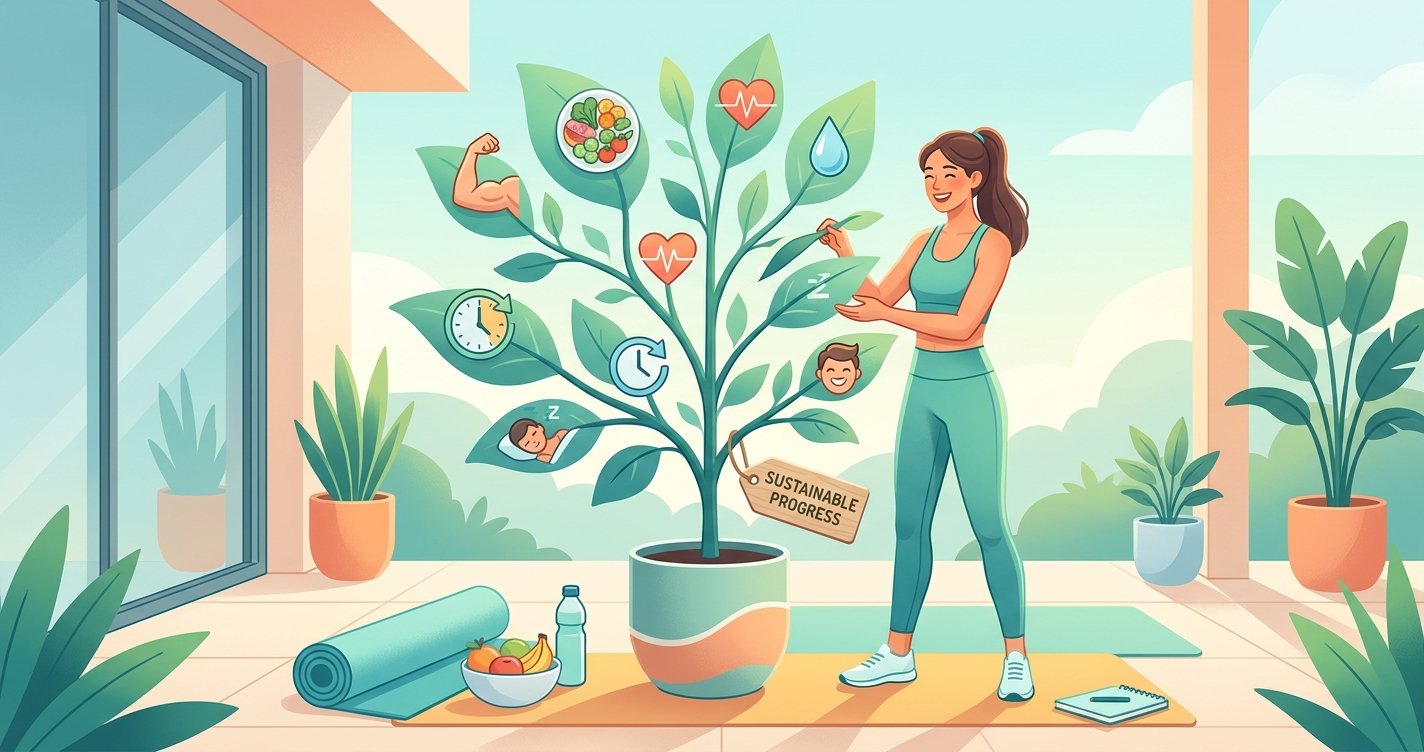
In a world obsessed with instant gratification, the fitness industry often capitalizes on our desire for quick fixes. Lose 10 pounds in a week! Get shredded in 30 days! While the allure of rapid results is strong, the reality is that such extreme approaches rarely lead to lasting change. In fact, they often result in a frustrating cycle of yo-yo dieting, disappointment, and a damaged relationship with food and your body.
If you're tired of the endless cycle of restrictive diets and fleeting success, you're in the right place. This post is all about shifting your focus from temporary fixes to sustainable, evidence-based strategies that empower you to achieve genuine, long-term fat loss and a healthier, happier life. Let's explore how to build habits that truly stick and transform your body for good, without sacrificing your well-being. this excellent wellness product
Why Quick Fixes Often Fail: Understanding the Cycle
Before we dive into what does work, it's helpful to understand why the popular quick-fix methods so often fall short.
The Allure of Rapid Results
It’s human nature to want to see progress quickly. Diet fads promising dramatic weight loss in short periods can be incredibly tempting. They often involve severe calorie restriction, cutting out entire food groups, or relying on specific supplements. Initially, you might see the scale drop, largely due to water loss and depleted glycogen stores, which can be incredibly motivating.
The Biological Rebound: Why Your Body Fights Back
However, your body is an incredibly adaptive machine. When faced with extreme calorie deprivation, it perceives a threat and initiates survival mechanisms. Your metabolism can slow down to conserve energy, and hormone levels (like leptin, which regulates hunger) can get out of whack, increasing cravings and hunger. Furthermore, rapid weight loss often includes a significant loss of muscle mass, which further lowers your basal metabolic rate (BMR), making it harder to burn calories at rest. This combination sets you up for a rebound, where regaining lost weight (and often more) becomes almost inevitable once you return to normal eating patterns.
The Core Principle: A Gentle Caloric Deficit
At its heart, fat loss boils down to one fundamental principle: consuming fewer calories than your body expends. This is known as a caloric deficit. However, the key to sustainability lies in making this deficit gentle and manageable.
Finding Your Sweet Spot: Don't Starve Yourself
Starving yourself is counterproductive for the reasons mentioned above. Instead, aim for a moderate deficit of 250-500 calories per day. This allows for a steady, sustainable fat loss of about 0.5-1 pound per week. While this might sound slow, it's the rate at which your body can prioritize fat loss while preserving precious muscle mass and avoiding the metabolic backlash of extreme dieting. You can estimate your Total Daily Energy Expenditure (TDEE) using online calculators and then subtract your desired deficit.
Nutrition for Sustainable Success: Fueling Your Journey
A sustainable approach to nutrition isn't about restriction; it's about intelligent fueling. It’s about making smarter choices that nourish your body, keep you full, and support your energy levels.
Prioritize Protein: The Satiety and Muscle Preserver
Protein is your best friend when it comes to fat loss. It's highly satiating, meaning it helps you feel fuller for longer, reducing overall calorie intake. Furthermore, adequate protein intake is crucial for preserving muscle mass during a caloric deficit, which is vital for maintaining a healthy metabolism. Aim for 0.7-1 gram of protein per pound of body weight daily from sources like lean meats, poultry, fish, eggs, dairy, legumes, and plant-based protein powders.
Embrace Whole Foods: Fiber-Rich Carbs and Healthy Fats
- Complex Carbohydrates: Don't fear carbs! Opt for whole, unprocessed sources like oats, brown rice, quinoa, whole-wheat bread, fruits, and vegetables. These are rich in fiber, which aids digestion, promotes fullness, and provides sustained energy.
- Healthy Fats: Fats are essential for hormone production, nutrient absorption, and satiety. Include sources like avocados, nuts, seeds, olive oil, and fatty fish in moderation. They add flavor and satisfaction to your meals.
- Limit Processed Foods: These are often calorie-dense, nutrient-poor, and highly palatable, making it easy to overeat. Focus on cooking at home with whole ingredients.
Hydration: Often Overlooked, Always Important
Water plays a crucial role in metabolism, satiety, and overall health. Sometimes, thirst can be mistaken for hunger. Aim to drink plenty of water throughout the day – at least 8 glasses, and more if you’re active. Keeping a water bottle handy is a simple yet effective habit.
Move Your Body: Exercise for More Than Just Burning Calories
While diet is paramount for fat loss, exercise is a powerful tool to enhance results, improve body composition, and boost overall health. It's not just about burning calories in the moment.
Strength Training: Your Best Friend for Fat Loss
If you're not already lifting weights, it's time to start! Strength training builds and preserves muscle mass. More muscle means a higher resting metabolism, so you burn more calories even when you're not exercising. Aim for 2-4 sessions per week, targeting all major muscle groups.
Cardio: Health Benefits and Calorie Burn
Cardiovascular exercise, like brisk walking, jogging, cycling, or swimming, is excellent for heart health, endurance, and burning extra calories. Incorporate 150-300 minutes of moderate-intensity cardio or 75-150 minutes of vigorous-intensity cardio per week, as recommended by health guidelines.
NEAT: The Power of Everyday Movement
Non-Exercise Activity Thermogenesis (NEAT) refers to the calories you burn through daily activities that aren't formal exercise – walking, fidgeting, taking the stairs, cleaning. Increasing your NEAT by simply moving more throughout the day can significantly contribute to your caloric expenditure without feeling like a workout.
Lifestyle Pillars: Sleep, Stress, and Mindful Eating
Fat loss isn't just about what you eat and how you move; it's deeply intertwined with your overall lifestyle. Overlooking these factors can sabotage even the best diet and exercise plans.
The Restorative Power of Sleep
Lack of sleep can wreak havoc on your hormones, specifically increasing ghrelin (the hunger hormone) and decreasing leptin (the satiety hormone). This makes you hungrier and more likely to crave unhealthy foods. Aim for 7-9 hours of quality sleep per night to support your body's recovery and metabolic regulation.
Taming the Stress Monster
Chronic stress elevates cortisol levels, a hormone that can promote fat storage, especially around the abdominal area. Find healthy ways to manage stress, whether it's meditation, yoga, spending time in nature, or engaging in hobbies you love.
Mindful Eating: Connecting with Your Body's Cues
Mindful eating involves paying attention to your body's hunger and fullness signals, savoring your food, and eating without distraction. This practice can help prevent overeating, improve digestion, and foster a healthier relationship with food. Slow down, taste your food, and listen to your body.
Building Unshakeable Habits: Consistency Over Perfection
Sustainable fat loss isn't a race; it's a marathon powered by consistent, small habits.
Start Small, Build Momentum
Don't try to overhaul everything at once. Pick one or two small changes you can realistically stick with, like drinking more water or adding protein to every meal. Once those feel natural, add another. Small wins build confidence and momentum.
Track Progress, Not Just the Scale
The scale can be a useful tool, but it doesn't tell the whole story. Muscle gain, water fluctuations, and hormonal changes can all affect the number. Track other metrics like body measurements, how your clothes fit, progress photos, strength gains in the gym, and energy levels. These non-scale victories are incredibly motivating.
Flexibility and Forgiveness
Life happens! There will be days you overeat, miss a workout, or don't get enough sleep. The key is not to let one slip-up derail your entire journey. Acknowledge it, learn from it, and get back on track with your next meal or workout. Perfection is unsustainable; consistency with flexibility is the goal.
Your Long-Term Vision: Maintaining Your Success
Once you've reached your fat loss goals, the journey doesn't end – it transitions into maintenance. This means continuing to apply the sustainable habits you've built, perhaps adjusting your caloric intake slightly to meet your new energy needs. Sustainable fat loss isn't just about losing weight; it's about adopting a lifestyle that supports a healthy body composition and overall well-being for years to come.