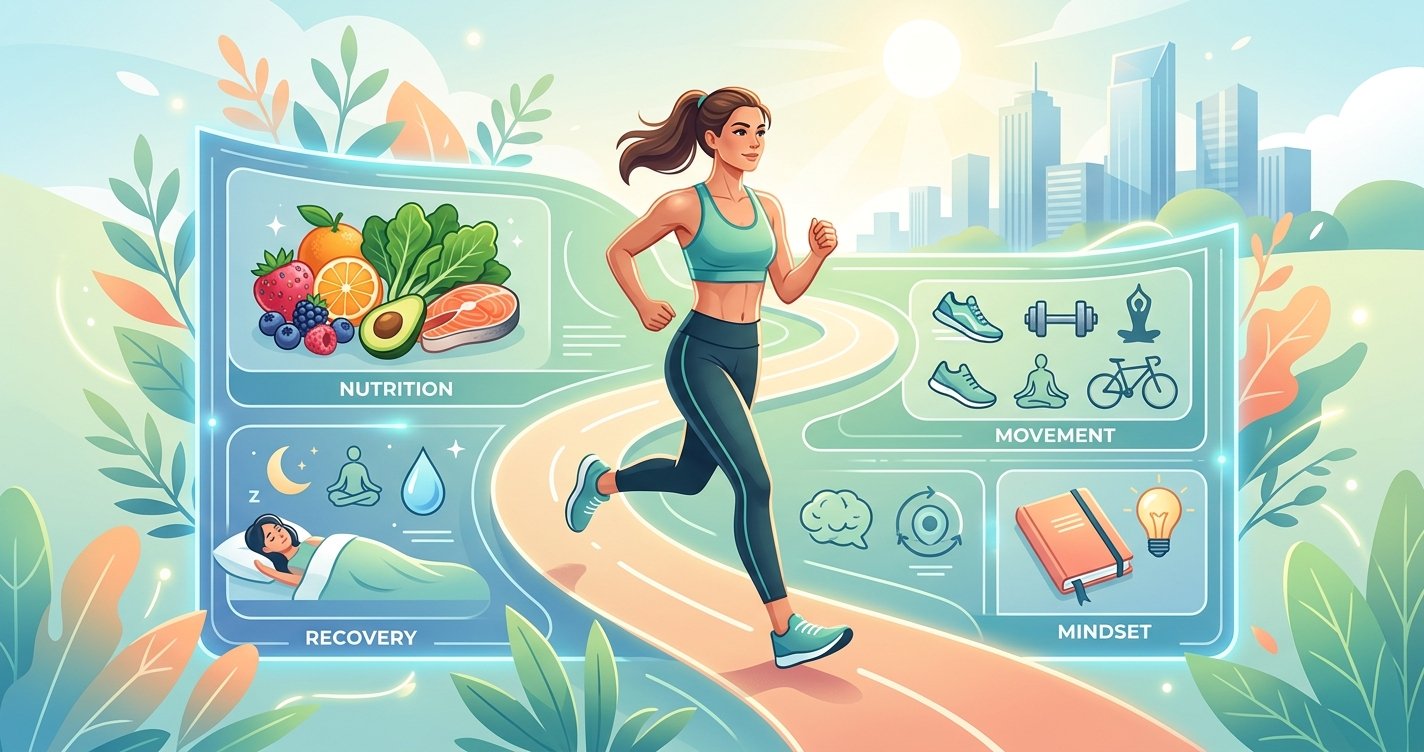
Tired of the Yo-Yo? Discover Sustainable Fat Loss for Lasting Results!
Have you ever started a diet with soaring motivation, only to find yourself back where you began (or even further behind) a few months later? You're not alone. The world of fat loss is often riddled with quick fixes, extreme restrictions, and promises of rapid transformation. While these crash diets might deliver initial weight loss, they rarely lead to sustainable fat loss and often leave us feeling frustrated, defeated, and metabolically worse off.
But what if there was a better way? A path that focuses on gradual, consistent progress, nurtures your body, and builds habits that last a lifetime? Welcome to the world of sustainable fat loss. This isn't about deprivation; it's about empowerment, understanding your body, and making choices that support your health and well-being in the long run. In this comprehensive guide, we'll ditch the fads and equip you with the evidence-based strategies to achieve lasting fat loss and maintain it – for good! this excellent wellness product
The Pitfalls of Crash Diets: Why They Fail (and Frustrate!)
Before we dive into what works, let's understand why the quick-fix approach is a dead end. Crash diets typically involve severe calorie restriction, often cutting out entire food groups, and promise unrealistic weight loss in a short period. Here's why they rarely lead to sustainable fat loss:
- Metabolic Adaptation: Your body is smart. When calories plummet, it slows down your metabolism to conserve energy, making it harder to lose fat and easier to regain weight once you stop the diet.
- Muscle Loss: Rapid weight loss often comes at the expense of precious muscle mass, which is metabolically active and crucial for a healthy metabolism. Losing muscle further hinders your long-term fat loss efforts.
- Nutrient Deficiencies: Extreme restriction can lead to inadequate intake of essential vitamins and minerals, impacting your energy levels, mood, and overall health.
- Unsustainability & Rebound: These diets are inherently unsustainable. No one can maintain such restrictive eating forever. Once you return to normal eating patterns, the weight, often with extra, tends to pile back on.
- Psychological Toll: The constant hunger, cravings, guilt, and eventual failure can take a severe toll on your mental health, fostering a negative relationship with food and your body.
The goal isn't just to lose weight; it's to lose fat while preserving muscle, improving health markers, and building habits you can stick with for a lifetime. That’s the essence of sustainable fat loss.
The Foundation of Sustainable Fat Loss: A Gentle Calorie Deficit
At its core, fat loss still comes down to one fundamental principle: consuming fewer calories than your body expends. This is known as a calorie deficit. However, the key to sustainability lies in making this deficit gentle and manageable, not extreme.
Instead of drastic cuts, aim for a modest deficit of 300-500 calories per day below your maintenance level. This allows for steady fat loss (typically 1-2 pounds per week) without triggering severe metabolic slowdown or intense hunger. You can estimate your maintenance calories using online calculators or by tracking your intake for a week and observing your weight. Remember, consistency over perfection is the name of the game here.
Fueling Your Body Right: Nutrition for Lasting Results
What you eat is just as important as how much. For sustainable fat loss, focus on nutrient-dense, whole foods that keep you feeling full, energized, and satisfied.
Protein Powerhouse: Your Muscle-Preserving Ally
Protein is your best friend for fat loss. It's highly satiating, meaning it keeps you feeling full for longer, reducing overall calorie intake. Furthermore, adequate protein intake is crucial for preserving muscle mass during a calorie deficit, which is vital for maintaining a healthy metabolism. Aim for 0.7-1 gram of protein per pound of body weight. Good sources include lean meats, poultry, fish, eggs, dairy, legumes, and tofu.
Smart Carbs & Healthy Fats: Energy and Essential Functions
Don't fear carbs or fats! They are essential for energy, hormone production, and overall health. Focus on complex carbohydrates like whole grains, fruits, and vegetables, which are rich in fiber and provide sustained energy. Healthy fats from avocados, nuts, seeds, and olive oil are crucial for satiety and nutrient absorption.
Fiber-Rich Foods: The Unsung Hero of Satiety
Fiber-rich foods (fruits, vegetables, whole grains, legumes) add bulk to your meals, promoting fullness and aiding digestion. They also help regulate blood sugar levels, preventing energy crashes and cravings.
Focus on mindful eating, paying attention to your body's hunger and fullness cues. Prioritize cooking at home, choose whole, unprocessed foods, and limit sugary drinks and highly processed snacks.
Move Your Body, Boost Your Metabolism: Exercise for Fat Loss
Exercise isn't just about burning calories; it's about building a stronger, healthier, and more metabolically active body. Incorporating both strength training and cardio is ideal for sustainable fat loss.
Strength Training: Your Muscle-Building Ally
This is arguably the most underrated component of fat loss. Building and maintaining muscle mass is critical because muscle burns more calories at rest than fat. This means a more efficient metabolism, even when you're not exercising! Aim for 2-4 strength training sessions per week, focusing on compound movements that work multiple muscle groups.
Cardio for Heart Health & Calorie Burn
Cardiovascular exercise, whether it's brisk walking, jogging, cycling, or swimming, is excellent for burning calories, improving heart health, and boosting your mood. Mix in both low-intensity steady-state (LISS) cardio and high-intensity interval training (HIIT) for varied benefits and to keep things interesting.
Everyday Movement Matters: The Power of NEAT
Don't underestimate the power of Non-Exercise Activity Thermogenesis (NEAT). This includes all the calories you burn from activities outside of structured exercise – walking, fidgeting, taking the stairs, cleaning. Increasing your daily movement can significantly contribute to your overall calorie expenditure.
Beyond Diet & Exercise: The Unsung Heroes of Fat Loss
While nutrition and exercise are foundational, several other factors play a crucial role in your ability to achieve and maintain sustainable fat loss.
Prioritize Sleep: Rest for Results
Lack of sleep can wreak havoc on your hormones, specifically ghrelin (the hunger hormone) and leptin (the satiety hormone). When you're sleep-deprived, ghrelin increases, making you feel hungrier, while leptin decreases, making it harder to feel full. Aim for 7-9 hours of quality sleep per night.
Stress Management: Tame the Cortisol Beast
Chronic stress elevates cortisol levels, a hormone that can promote fat storage, especially around the belly area. Find healthy ways to manage stress, whether it's meditation, yoga, spending time in nature, or engaging in hobbies you love.
Hydration: Simple Yet Powerful
Drinking enough water is often overlooked. It can help you feel fuller, boost your metabolism slightly, and is essential for all bodily functions. Aim for at least 8 glasses of water per day.
Consistency & Patience: The Long Game
Sustainable fat loss is a marathon, not a sprint. There will be good days and bad days. The key is consistency over perfection and patience with the process. Real, lasting change takes time.
Building Sustainable Habits: Making It Stick
The goal isn't to follow a diet; it's to build a lifestyle. Here's how to make your fat loss journey truly sustainable:
- Start Small: Don't overhaul everything at once. Pick one or two habits to change each week (e.g., add a serving of vegetables to each meal, walk for 30 minutes daily).
- Track Progress Beyond the Scale: While the scale is a data point, it's not the only one. Monitor changes in body measurements, how your clothes fit, your energy levels, strength gains, and overall mood.
- Learn from Setbacks: A slip-up isn't a failure; it's an opportunity to learn. Understand what triggered it and adjust your strategy. Don't let one bad meal derail your entire journey.
- Seek Support: Share your goals with friends or family, join a supportive community, or consider working with a coach. Accountability can make a huge difference.
Embrace the Journey to Lasting Health!
Ditching the crash diets and embracing a sustainable fat loss approach is the most empowering decision you can make for your health and well-being. It's a journey of self-discovery, learning what truly nourishes your body, and building habits that serve you for a lifetime. Be kind to yourself, celebrate small victories, and remember that every healthy choice you make is a step towards a stronger, happier, and more vibrant you. Start today, one sustainable habit at a time, and watch your body and life transform!