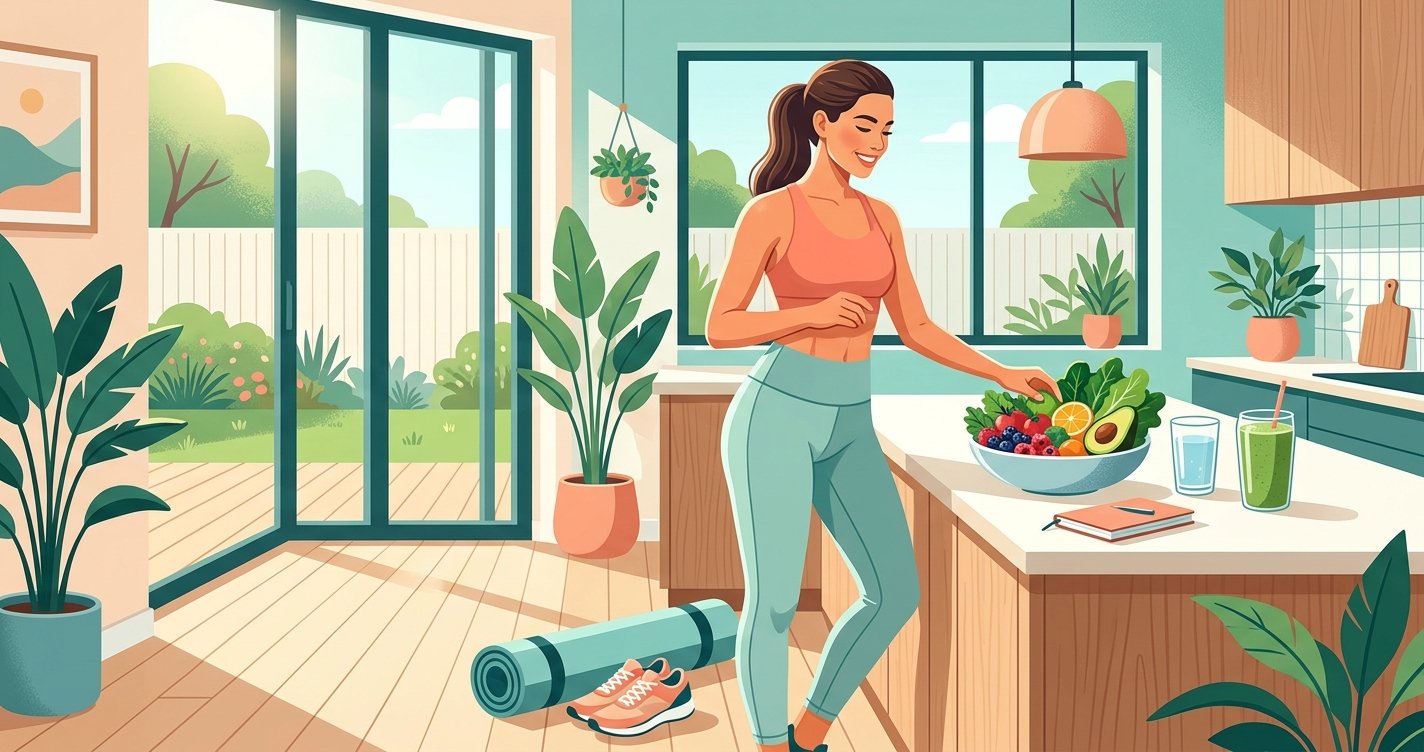
Beyond the Quick Fix: Your Guide to Sustainable Fat Loss for Lasting Results
Hey there! If you've ever felt trapped in the cycle of crash diets, intense workouts that don't stick, and the frustrating 'yo-yo' effect, you're definitely not alone. The world of fat loss is often cluttered with promises of rapid results, magic pills, and extreme deprivation. While these methods might offer a temporary drop on the scale, they rarely lead to lasting change or, more importantly, improved health and well-being. At its core, sustainable fat loss isn't about quick fixes; it's about building habits that serve you for life. It’s about understanding your body, nourishing it wisely, and moving it joyfully. Ready to ditch the diet mentality and embrace a kinder, more effective path? Let's dive in!
Why Quick Fixes Fail (and What Works Instead)
The allure of losing 10 pounds in a week is powerful, but such drastic measures often come with a heavy price. Extreme calorie restriction can slow your metabolism, lead to muscle loss (which is counterproductive for fat loss), and trigger intense cravings. Moreover, the psychological toll of constant deprivation can lead to feelings of failure and a damaged relationship with food. The science is clear: highly restrictive diets are rarely sustainable long-term. Instead, the most effective approach focuses on gradual, consistent changes that you can realistically maintain. Think of it as a marathon, not a sprint. The goal isn't just to lose weight, but to improve your overall health and well-being, making choices that feel good and support your body day in and day out. this excellent wellness product
The Power of Patience and Consistency
Sustainable fat loss hinges on patience and consistency. It’s about making small, incremental improvements to your daily routine that accumulate into significant results over time. These aren't just 'diet' changes; they're lifestyle upgrades. When you adopt changes that fit seamlessly into your life, you're far more likely to stick with them, making fat loss a natural byproduct of a healthier existence rather than a punishing endeavor.
Nutrition for Lasting Fat Loss: It's Not About Deprivation
Forget the idea of 'good' and 'bad' foods. A sustainable nutrition strategy is about balance, whole foods, and understanding your body's needs. It's about nourishment, not punishment.
- Prioritize Protein: Protein is a superstar for fat loss. It's highly satiating, helping you feel fuller for longer, which can reduce overall calorie intake. It also helps preserve muscle mass during weight loss and has a higher thermic effect, meaning your body burns more calories digesting it. Aim for a lean protein source at every meal (chicken, fish, eggs, tofu, lentils).
- Embrace Fiber-Rich Foods: Found in fruits, vegetables, whole grains, and legumes, fiber adds bulk to your meals, promoting satiety and aiding digestion. It's your secret weapon against mindless snacking.
- Healthy Fats Are Your Friends: Don't fear fats! Healthy fats from sources like avocados, nuts, seeds, and olive oil are crucial for hormone production, nutrient absorption, and keeping you satisfied. Portion control is key here, as fats are calorie-dense.
- Mindful Eating: This practice involves paying attention to your body's hunger and fullness cues, savoring your food, and eating without distractions. It helps prevent overeating and fosters a healthier relationship with food.
- Hydration is Key: Often overlooked, adequate water intake can significantly impact fat loss. It can help you feel fuller, boost metabolism, and is essential for countless bodily functions. Aim for at least 8 glasses a day.
Calorie Awareness, Not Obsession
While a calorie deficit is fundamental for fat loss, you don't need to meticulously count every single calorie forever. Understanding approximate portion sizes and the caloric density of different foods can empower you to make informed choices without feeling restricted. Focus on nutrient-dense foods that naturally keep you in a healthy calorie range.
Move Your Body Smartly: Exercise for Sustainable Results
Exercise isn't just about burning calories; it's about building strength, improving cardiovascular health, boosting your mood, and sculpting your body. For sustainable fat loss, a balanced approach combining resistance training and cardiovascular exercise is ideal.
- Strength Training is Non-Negotiable: Building muscle is incredibly important for fat loss. Muscle tissue is more metabolically active than fat, meaning it burns more calories even at rest. Incorporate 2-3 full-body strength training sessions per week. You don't need a gym; bodyweight exercises are a fantastic starting point!
- Cardio for Heart Health and Calorie Burn: Whether it's brisk walking, jogging, cycling, swimming, or dancing, find a form of cardio you genuinely enjoy. Aim for 150-300 minutes of moderate-intensity cardio per week. Consistency is more important than extreme intensity.
- Find Movement You Love: The best exercise is the one you stick with. If you dread your workouts, you won't do them. Experiment with different activities until you find what makes you feel energized and happy.
- Increase NEAT (Non-Exercise Activity Thermogenesis): This includes all the calories you burn outside of structured exercise – walking, fidgeting, taking the stairs. Small changes like parking further away, standing more, or taking short walk breaks can add up!
The Unsung Heroes: Sleep, Stress, and Hydration
You can eat perfectly and exercise diligently, but if you neglect these crucial lifestyle factors, your fat loss efforts will be an uphill battle. They play a profound role in your body's ability to regulate hormones and manage energy.
- Prioritize Quality Sleep: Lack of sleep disrupts hormones that regulate appetite (ghrelin and leptin), making you hungrier and more prone to cravings for unhealthy foods. It also elevates cortisol, the stress hormone, which can encourage fat storage, particularly around the belly. Aim for 7-9 hours of quality sleep per night.
- Manage Stress Effectively: Chronic stress also leads to elevated cortisol levels. High cortisol can increase appetite, promote fat storage, and even break down muscle tissue. Find healthy ways to cope with stress: meditation, yoga, spending time in nature, hobbies, or talking to a friend.
- Stay Hydrated: As mentioned earlier, water is vital. It aids metabolism, helps transport nutrients, and can even help differentiate between hunger and thirst signals.
Mindset Matters: Cultivating Patience and Positive Self-Talk
Your mental approach to fat loss is just as important as your physical actions. It’s about nurturing a positive, resilient mindset.
- Set Realistic Goals: Aim for a sustainable fat loss rate of 1-2 pounds per week. This allows your body to adapt and helps prevent metabolic slowdown.
- Practice Self-Compassion: There will be days when you don't hit your goals perfectly. Don't let one 'off' day derail your entire journey. Learn from it, forgive yourself, and get back on track.
- Focus on Non-Scale Victories: The number on the scale is just one metric. Celebrate increased energy, better sleep, stronger lifts, clothes fitting better, improved mood, and enhanced overall health. These are true indicators of progress!
- Challenge Negative Self-Talk: Be kind to yourself. Replace critical thoughts with encouraging ones. Remember why you started and focus on the positive changes you're making.
Building Your Sustainable Fat Loss Toolkit: Practical Steps
Ready to put it all into action? Here are some practical steps to get you started on your sustainable fat loss journey:
- Meal Prep for Success: Dedicate a few hours each week to prepare healthy meals and snacks. This reduces decision fatigue and ensures you have nutritious options readily available when hunger strikes.
- Plan Your Workouts: Schedule your exercise sessions in advance, just like any other important appointment. This increases the likelihood you'll stick to them.
- Keep a Journal: Track your food intake, exercise, sleep patterns, and even your mood. This can help you identify patterns, celebrate progress, and make adjustments as needed.
- Seek Support: Share your goals with a trusted friend, family member, or consider working with a coach. Accountability and encouragement can make a huge difference.
- Start Small, Build Gradually: Don't try to overhaul everything at once. Pick one or two habits to focus on each week, master them, and then add more. Consistency over perfection!
Embrace the Journey to Lasting Health
Sustainable fat loss isn't about chasing an arbitrary number on the scale; it's about creating a healthier, happier, and more vibrant life for yourself. It’s about nurturing your body with wholesome foods, moving it in ways you enjoy, prioritizing rest, and cultivating a positive mindset. This journey takes patience, consistency, and self-compassion, but the results – increased energy, improved health, and a lasting sense of well-being – are immeasurable. So, take a deep breath, trust the process, and embark on your sustainable path to a healthier you. You've got this!