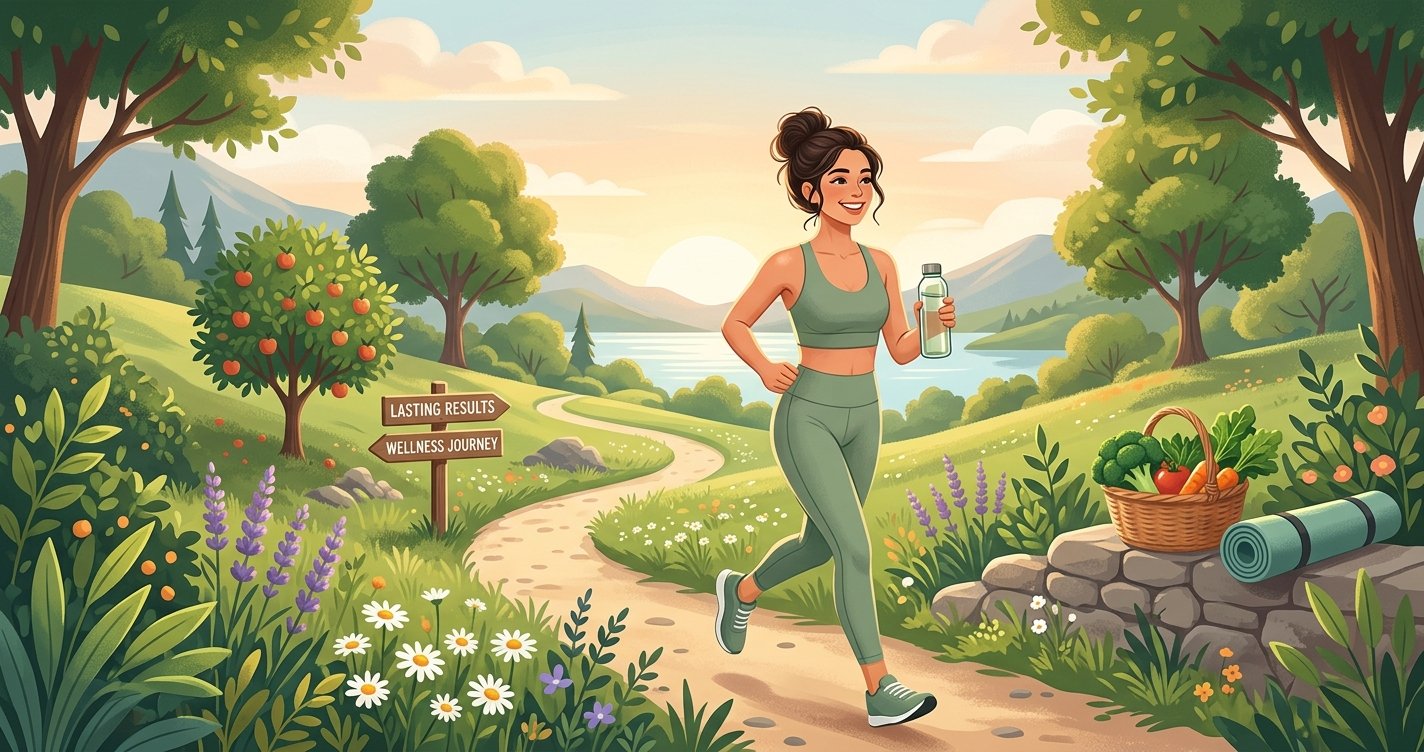
Tired of the endless cycle of restrictive diets, quick fixes, and the frustration of seeing the scale yo-yo? You’re not alone. Many people embark on a fat loss journey hoping for rapid changes, only to find themselves burnt out, deprived, and eventually, back where they started. But what if there was a better way? A way that focuses on building healthy habits, understanding your body, and achieving results that truly last?
This isn’t about chasing the latest fad diet or enduring grueling workouts you hate. This is your friendly, evidence-based guide to sustainable fat loss – a journey focused on nourishing your body, moving with purpose, and cultivating a mindset that supports long-term well-being. Let’s ditch the gimmicks and embrace a path to a healthier, happier you. this excellent wellness product
Why Quick Fixes Often Fall Short (And Why That's Perfectly Normal!)
Before we dive into what works, let’s briefly understand why the 'quick fix' mentality often leads to disappointment. Extreme calorie restriction, detoxes, and highly restrictive diets might offer initial rapid weight loss, but they come at a cost:
- Metabolic Slowdown: Your body is smart. When it senses extreme deprivation, it adapts by slowing down your metabolism to conserve energy, making further fat loss harder.
- Muscle Loss: Rapid weight loss often includes losing precious muscle mass, which is crucial for a healthy metabolism and body composition.
- Nutrient Deficiencies: Restrictive diets can strip your body of essential vitamins and minerals, impacting your energy, mood, and overall health.
- Unsustainable Habits: These diets are rarely enjoyable or practical for the long term, leading to feelings of deprivation, cravings, and eventually, a return to old habits.
- Psychological Toll: The constant battle with hunger, guilt, and the feeling of failure can severely impact your mental health and relationship with food.
It’s important to understand that if you’ve experienced this cycle, it’s not a reflection of your willpower. It's a reflection of an unsustainable approach. Your body is designed for survival, and drastic changes trigger protective mechanisms. Our goal is to work with your body, not against it.
The Core Principle: A Gentle Calorie Deficit (Not Obsession!)
At its heart, fat loss comes down to one fundamental principle: consuming slightly fewer calories than your body expends. This is known as a calorie deficit. Don't panic! This isn't about obsessive counting; it’s about awareness and making smart choices.
Understanding Your Energy Needs
Your body constantly burns calories for basic functions (breathing, circulation), digestion, and physical activity. This is your Total Daily Energy Expenditure (TDEE). To create a sustainable deficit, you aim to eat approximately 300-500 calories less than your TDEE. This small, consistent deficit allows for gradual fat loss (typically 1-2 pounds per week) without triggering your body’s extreme survival mechanisms.
You can estimate your TDEE using online calculators, but remember these are just estimates. The key is to start with small adjustments, observe how your body responds, and make further tweaks as needed. Focus on:
- Mindful Eating: Pay attention to your hunger and fullness cues. Eat slowly, savor your food, and avoid distractions.
- Portion Awareness: Learn what a healthy portion size looks like for different foods.
- Prioritizing Nutrient-Dense Foods: Foods rich in vitamins, minerals, and fiber keep you feeling full and satisfied on fewer calories.
Fueling Your Journey: Smart Nutrition Choices
While a calorie deficit is the mechanism, how you achieve it makes all the difference for sustainability and health. Focus on whole, unprocessed foods that provide sustained energy and satiety.
The Power of Protein
Protein is your best friend for fat loss. It’s highly satiating, meaning it keeps you feeling full for longer, reducing the urge to snack. Crucially, it helps preserve muscle mass during a calorie deficit, which is vital for maintaining a healthy metabolism. Aim for a good source of protein at every meal.
- Sources: Lean meats (chicken, turkey, beef), fish, eggs, dairy (Greek yogurt, cottage cheese), legumes (lentils, beans), tofu, tempeh.
Smart Carbs for Sustainable Energy
Carbohydrates provide energy, and the right kinds are essential for sustained energy levels and fiber intake. Focus on complex carbohydrates over refined sugars.
- Sources: Whole grains (oats, brown rice, quinoa, whole-wheat bread), fruits, vegetables. These are packed with fiber, which aids digestion and promotes fullness.
Healthy Fats Are Your Friends
Don't fear fats! Healthy fats are crucial for hormone production, nutrient absorption, and satiety. They help you feel satisfied and prevent cravings, but they are calorie-dense, so moderation is key.
- Sources: Avocados, nuts, seeds, olive oil, fatty fish (salmon, mackerel).
Hydration is Key
Often overlooked, adequate water intake is vital. Water helps with metabolism, nutrient transport, and can even help manage hunger cues (sometimes thirst is mistaken for hunger!). Aim for at least 8 glasses a day, more if you’re active.
Moving with Purpose: Exercise for Health and Fat Loss
Exercise isn't just about burning calories; it's about building strength, improving cardiovascular health, boosting mood, and enhancing overall vitality. Find activities you genuinely enjoy to ensure consistency.
Embrace Strength Training
This is non-negotiable for sustainable fat loss. Building and maintaining muscle mass is critical because muscle burns more calories at rest than fat. Strength training also improves bone density, posture, and gives your body a more toned appearance.
- How to Start: Bodyweight exercises (squats, push-ups), resistance bands, free weights, or gym machines. Aim for 2-3 sessions per week, targeting all major muscle groups.
Cardio for Heart Health and Calorie Burn
Cardiovascular exercise is excellent for heart health, endurance, and burning extra calories. The best cardio is the one you’ll stick with!
- Examples: Brisk walking, jogging, cycling, swimming, dancing, hiking. Aim for 150 minutes of moderate-intensity cardio per week.
The Magic of NEAT (Non-Exercise Activity Thermogenesis)
Don't underestimate the power of everyday movement! NEAT includes all the calories you burn doing non-structured exercise activities – walking to the store, taking the stairs, gardening, fidgeting. These small movements add up significantly over time.
- Boost Your NEAT: Park further away, take the stairs, stand more often, take short walking breaks throughout your day.
The Often-Overlooked Pillars: Sleep, Stress, and Mindset
You can eat perfectly and exercise diligently, but if these foundational elements are neglected, your fat loss efforts will be an uphill battle.
Prioritize Your Sleep
Lack of sleep wreaks havoc on your hormones, specifically ghrelin (the hunger hormone) and leptin (the satiety hormone). When you're sleep-deprived, ghrelin levels rise, making you hungrier, while leptin levels drop, making it harder to feel full. It also increases cortisol, a stress hormone linked to belly fat storage. Aim for 7-9 hours of quality sleep per night.
Master Stress Management
Chronic stress also elevates cortisol levels, which can lead to increased appetite, cravings for unhealthy foods, and stubborn fat accumulation, particularly around the midsection. Finding healthy ways to manage stress is crucial.
- Healthy Coping Mechanisms: Meditation, deep breathing exercises, yoga, spending time in nature, hobbies, talking to a trusted friend or therapist.
Cultivate a Growth Mindset
Fat loss is a marathon, not a sprint. Patience, consistency, and self-compassion are paramount. Don't let a single 'off' meal derail your entire week. Learn from it and get back on track. Celebrate non-scale victories – improved energy, better sleep, stronger lifts, clothes fitting better. Focus on progress, not perfection.
Your Sustainable Fat Loss Toolkit: Actionable Steps
Ready to start building your lasting healthy habits? Here’s how to put it all into action:
- Start Small, Build Gradually: Don't try to change everything at once. Pick one or two habits to focus on each week (e.g., add protein to breakfast, walk for 15 minutes daily).
- Plan Your Meals: A little planning goes a long way in making healthy choices. Meal prepping can save time and prevent impulsive, less healthy decisions.
- Track Your Progress (Beyond the Scale): While the scale can be a tool, it doesn't tell the whole story. Take measurements, progress photos, note how your clothes fit, and observe improvements in energy levels, mood, and strength.
- Listen to Your Body: Pay attention to what foods make you feel good and energized, and what exercises you enjoy. This makes the journey more sustainable.
- Seek Support: Share your goals with a friend, family member, or consider working with a registered dietitian or certified personal trainer for personalized guidance.
- Be Patient and Kind to Yourself: There will be ups and downs. That’s normal. Focus on consistency over perfection and treat yourself with the same compassion you would a friend.
Embrace Your Journey to Lasting Health!
Sustainable fat loss isn't about deprivation or punishment; it's about empowerment, education, and embracing a lifestyle that nourishes your body and mind. By focusing on a gentle calorie deficit through nutrient-dense foods, purposeful movement, adequate sleep, stress management, and a positive mindset, you’re not just losing fat – you’re building a foundation for lifelong health and well-being. This is your journey, and every small, consistent step forward is a victory. You've got this!