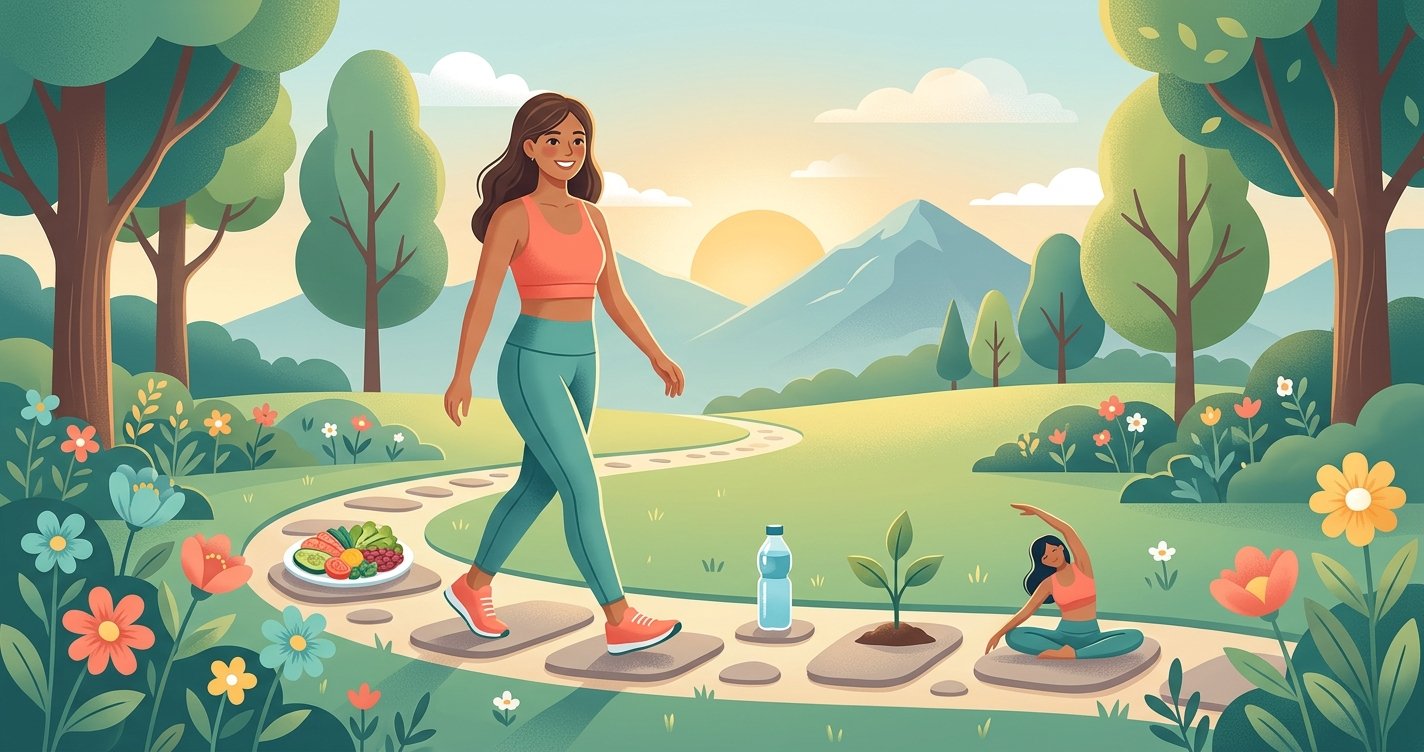
Are you tired of the endless cycle of restrictive diets, intense workouts, and frustrating plateaus? Do you feel like you've tried everything, only to see the numbers on the scale creep back up? You're not alone. The world of fat loss is often dominated by quick fixes, extreme measures, and unrealistic expectations that leave many feeling defeated. But what if there was a better way? A path that focuses on building healthy habits, understanding your body, and achieving results that actually last?
This comprehensive guide is designed to empower you with the knowledge and tools for sustainable fat loss. We'll move beyond the temporary solutions and dive into evidence-based strategies that foster long-term health, vitality, and a body you feel truly comfortable in. Get ready to ditch the deprivation and embrace a journey that's encouraging, effective, and, most importantly, sustainable. this excellent wellness product
Why "Quick Fixes" Don't Last (And What Does)
The allure of rapid weight loss is powerful. Promises of dropping 10 pounds in a week or fitting into that old outfit by next month can be incredibly tempting. However, these rapid approaches often come at a cost.
The Cycle of Restriction and Rebound
Most extreme diets rely on severe calorie restriction, cutting out entire food groups, or relying heavily on supplements. While you might see initial weight loss (often water weight and some muscle, not just fat), these methods are rarely sustainable. Your body, designed for survival, perceives severe restriction as a threat. This can lead to:
- Metabolic Slowdown: Your body adapts by burning fewer calories.
- Hormonal Imbalance: Hunger hormones (ghrelin) surge, while satiety hormones (leptin) drop.
- Nutrient Deficiencies: Restrictive eating can deprive your body of essential vitamins and minerals.
- Psychological Distress: Constant hunger, cravings, and feelings of deprivation often lead to binge eating or giving up entirely, resulting in weight regain, often exceeding the initial loss.
The Science of Sustainability
Sustainable fat loss, on the other hand, is about creating a slight, consistent calorie deficit while prioritizing nutrient-dense foods, regular physical activity, and healthy lifestyle habits. It's a marathon, not a sprint. This approach allows your body to adapt gradually, preserves lean muscle mass, maintains metabolic function, and fosters a healthier relationship with food and your body. The goal isn't just to lose weight, but to keep it off and improve your overall well-being.
The Foundation: Nutrition for Long-Term Success
Nutrition is the cornerstone of any fat loss journey. It's not about eating less; it's about eating better and smarter.
Calorie Awareness, Not Obsession
To lose fat, you need to consume slightly fewer calories than your body burns – this is known as a calorie deficit. However, this doesn't mean meticulously counting every single calorie for the rest of your life. Start by understanding your estimated daily calorie needs and aim for a modest deficit (e.g., 300-500 calories below maintenance). Focus on making informed food choices that naturally keep you within this range.
Prioritize Protein: Your Satiety Ally
Protein is incredibly important for fat loss. It's the most satiating macronutrient, meaning it helps you feel fuller for longer, reducing overall calorie intake. It also helps preserve lean muscle mass during a calorie deficit, which is crucial for maintaining a healthy metabolism. Aim for 0.7-1 gram of protein per pound of body weight daily from sources like lean meats, poultry, fish, eggs, dairy, legumes, and tofu.
Embrace Whole Foods: Fueling Your Body Right
Swap highly processed foods, sugary drinks, and refined grains for whole, unprocessed options. These include:
- Fruits and Vegetables: Rich in fiber, vitamins, and minerals, they're low in calories and high in volume, helping you feel full.
- Whole Grains: Oats, quinoa, brown rice provide sustained energy and fiber.
- Healthy Fats: Avocados, nuts, seeds, olive oil are essential for hormone function and satiety (in moderation).
- Lean Proteins: As mentioned above.
Whole foods provide the nutrients your body needs to function optimally, support energy levels, and prevent cravings.
Hydration: The Unsung Hero
Don't underestimate the power of water! Staying adequately hydrated supports metabolism, aids digestion, and can even help manage hunger (sometimes thirst is mistaken for hunger). Aim for at least 8 glasses of water daily, more if you're active.
Move Your Body: Smart Exercise for Fat Loss
While nutrition plays the primary role, exercise is a powerful amplifier for fat loss, body recomposition, and overall health.
Strength Training: Your Metabolic Powerhouse
If you're not lifting weights, you're missing out on a huge fat loss advantage! Strength training builds and preserves muscle mass. More muscle means a higher resting metabolic rate, meaning your body burns more calories even when you're at rest. It also helps sculpt your body, giving you a toned, fit appearance. Aim for 2-4 strength training sessions per week, focusing on compound movements that work multiple muscle groups.
Cardio for Health and Energy (Not Just Calorie Burn)
Cardiovascular exercise is excellent for heart health, endurance, and boosting your mood. While it burns calories during the activity, its primary role in sustainable fat loss is often about improving overall fitness and energy levels, making daily tasks easier and more enjoyable. Incorporate a mix of steady-state cardio (like walking or cycling) and perhaps some high-intensity interval training (HIIT) if appropriate for your fitness level, 2-3 times a week.
Finding Movement You Love
The best exercise is the one you'll stick with! Whether it's dancing, hiking, swimming, yoga, or team sports, find activities that you genuinely enjoy. Consistency trumps intensity, especially in the long run. Make movement a joyful part of your life, not a chore.
Beyond Diet and Exercise: The Lifestyle Pillars
Sustainable fat loss isn't just about what you eat and how you move; it's about your entire lifestyle.
Sleep: The Underrated Fat Loss Factor
In our busy lives, sleep is often the first thing to be sacrificed. However, insufficient sleep can wreak havoc on your fat loss efforts. Lack of sleep disrupts hunger-regulating hormones: ghrelin (which increases appetite) rises, and leptin (which signals fullness) falls. It also increases cortisol, the stress hormone, which can promote belly fat storage. Aim for 7-9 hours of quality sleep per night.
Stress Management: Taming Cortisol
Chronic stress, like lack of sleep, elevates cortisol levels. High cortisol can increase cravings for high-sugar, high-fat foods and contribute to fat storage around the midsection. Find healthy ways to manage stress: mindfulness meditation, deep breathing exercises, spending time in nature, hobbies, or connecting with loved ones. Prioritizing your mental well-being is crucial for your physical health.
Mindful Eating: Reconnecting with Your Body
In our fast-paced world, many of us eat mindlessly, often while distracted. Mindful eating involves paying attention to your food, savoring each bite, and recognizing your body's hunger and fullness cues. This practice can help prevent overeating, reduce emotional eating, and improve your enjoyment of food. Slow down, put away distractions, and truly taste your meals.
Building Habits That Stick: The Psychology of Change
Sustainable fat loss is fundamentally about sustainable habit change. It's a journey of self-discovery and consistent effort.
Start Small, Build Momentum
Don't try to overhaul everything at once. Pick one or two small, achievable habits to focus on each week or month. For example, start with drinking an extra glass of water daily, or adding one serving of vegetables to dinner. Small wins build confidence and create momentum, making bigger changes feel less daunting.
Focus on Progress, Not Perfection
There will be days when you miss a workout, eat an unplanned treat, or don't get enough sleep. That's perfectly normal! The key is to acknowledge it, learn from it, and get back on track without guilt or self-blame. Consistency over time is far more important than perfect adherence every single day.
Find Your "Why"
What truly motivates you? Is it more energy to play with your kids? Better health markers? Increased confidence? Connect deeply with your intrinsic motivations. When the journey gets tough, remembering your "why" will be your most powerful fuel.
Seek Support and Accountability
You don't have to do this alone. Share your goals with a supportive friend or family member. Consider working with a qualified coach or joining a community that aligns with your goals. Having someone to cheer you on, offer advice, or simply listen can make a significant difference.
Your Journey to a Healthier, Happier You
Sustainable fat loss isn't a destination; it's a lifelong journey of learning, adapting, and growing. It requires patience, consistency, and a commitment to treating your body with kindness and respect. By focusing on whole foods, smart movement, adequate sleep, stress management, and building healthy habits one step at a time, you're not just losing fat – you're building a foundation for a healthier, happier, and more vibrant life.
Embrace the process, celebrate every small victory, and remember that true success lies in creating a lifestyle you can truly live with, for good.