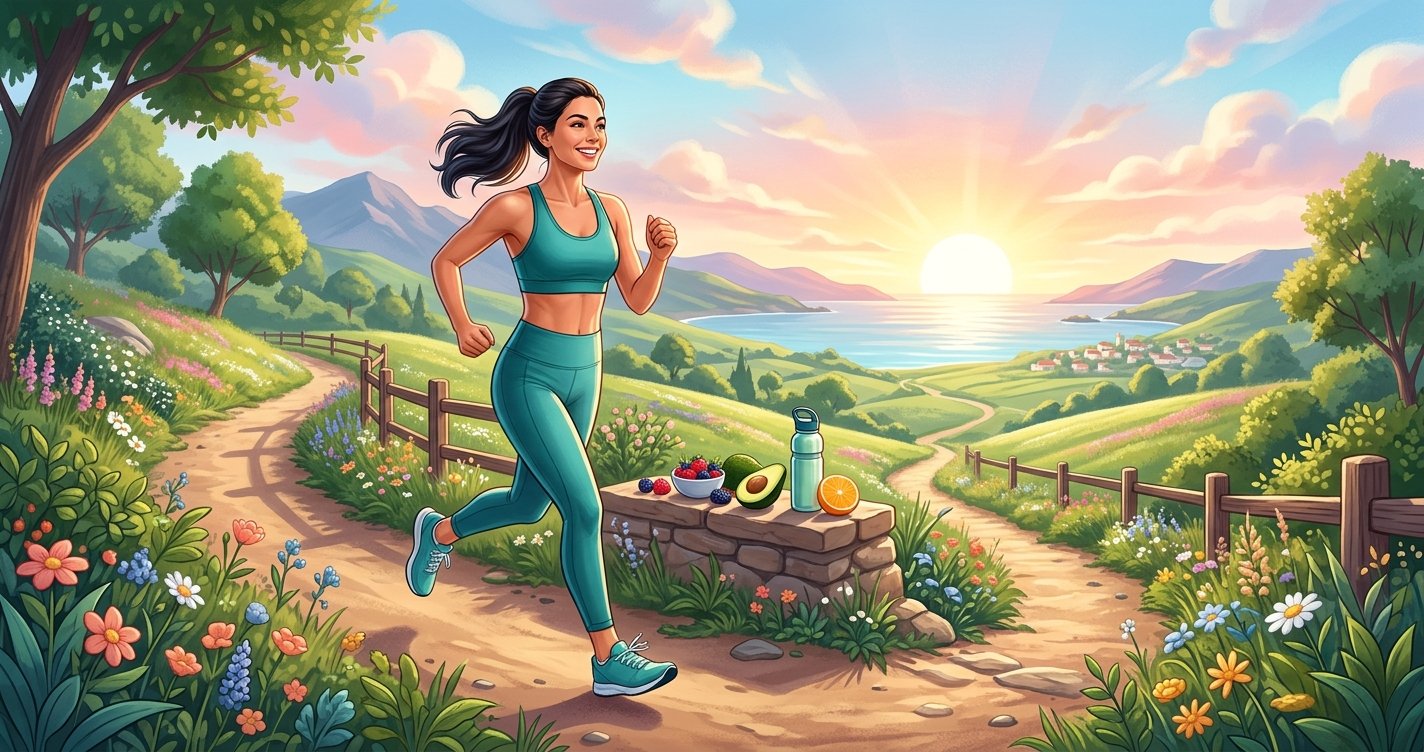
Tired of the Yo-Yo Dieting Cycle? Discover Sustainable Fat Loss!
Have you ever felt caught in the frustrating cycle of losing weight, only to gain it all back (and sometimes more)? You’re not alone. The world of fat loss is often cluttered with quick fixes, restrictive diets, and flashy promises that rarely deliver lasting results. But what if there was a better way? A way to shed fat, feel energized, and maintain your progress without constant deprivation or extreme measures?
Welcome to the ultimate guide to sustainable fat loss. This isn't about a crash diet; it's about building a healthier lifestyle that empowers you to achieve your body composition goals and keep them for good. We'll explore evidence-based strategies, focusing on practical, friendly, and encouraging approaches that fit into your real life. Let's ditch the frustration and embrace a journey toward a healthier, happier you! this excellent wellness product
The Foundation: Understanding Caloric Deficit (Without Starving Yourself!)
At its core, fat loss boils down to one fundamental principle: consuming fewer calories than your body burns. This is known as a caloric deficit. Sounds simple, right? Yet, many people jump to extreme deficits, cutting calories so drastically that they feel constantly hungry, tired, and eventually give up. This isn't sustainable, and it can even slow down your metabolism in the long run.
The key to sustainable fat loss is creating a *moderate* caloric deficit. This means aiming for a deficit of around 300-500 calories per day, which typically allows for a healthy and sustainable fat loss of 1-2 pounds per week. Instead of thinking about what you can't eat, focus on what you *can* add to your diet that is nutrient-dense and satisfying. Prioritize whole foods like lean proteins, vegetables, fruits, and whole grains. These foods provide essential vitamins and minerals, keep you full, and support your energy levels, making the deficit feel much more manageable.
Fueling Your Body Right: Nutrition for Lasting Fat Loss
Nutrition is arguably the most critical component of sustainable fat loss. It’s not just about calories; it’s about the quality of those calories and how they impact your hunger, energy, and overall health.
Protein Power: Your Satiety Secret Weapon
If there's one macronutrient to prioritize for fat loss, it's protein. Protein is incredibly satiating, meaning it helps you feel fuller for longer, reducing the urge to snack unnecessarily. It also plays a vital role in preserving muscle mass while you're in a caloric deficit. Why is this important? Because muscle is metabolically active, meaning it burns more calories at rest than fat does. Maintaining or even building muscle helps keep your metabolism humming.
- Examples: Lean meats (chicken breast, turkey), fish (salmon, cod), eggs, Greek yogurt, cottage cheese, legumes (lentils, beans), tofu, tempeh, protein powder.
Smart Carbs & Healthy Fats: Energy and Essential Nutrients
Don't fall for the myth that you need to eliminate carbs or fats to lose fat. Both are essential for your body's functions, energy, and overall health. The trick is to choose wisely.
- Smart Carbs: Focus on complex carbohydrates rich in fiber, such as whole grains (oats, quinoa, brown rice), fruits, and vegetables. Fiber aids digestion, helps regulate blood sugar, and contributes to satiety. Limit refined carbs like white bread, sugary drinks, and pastries, which offer little nutritional value and can lead to energy crashes.
- Healthy Fats: Essential for hormone production, nutrient absorption, and long-term satiety. Include sources like avocados, nuts, seeds, olive oil, and fatty fish. While healthy, fats are calorie-dense, so portion control is key.
Hydration: The Often-Forgotten Ally
Water is essential for countless bodily functions, including metabolism. Sometimes, our bodies can confuse thirst signals with hunger cues. Staying adequately hydrated can help manage appetite, boost energy, and ensure your body is running optimally. Aim for at least 8 glasses of water a day, more if you're active.
Move Your Body, Transform Your Life: Exercise for Sustainable Fat Loss
While nutrition is paramount, incorporating regular physical activity significantly enhances your fat loss journey and overall well-being. It helps burn calories, builds muscle, improves mood, and boosts energy.
Strength Training: Build Muscle, Burn More
If you're not lifting weights, you're missing out on a powerful fat loss tool! Strength training (using weights, resistance bands, or your own body weight) builds muscle. As we discussed, more muscle means a higher resting metabolism, so you burn more calories even when you're not exercising. It also helps sculpt your body, giving you a leaner, more toned appearance. You don't need to become a bodybuilder; just 2-3 sessions per week can make a huge difference.
Cardio for Heart Health & Calorie Burn
Cardiovascular exercise, like brisk walking, jogging, cycling, or swimming, is excellent for burning calories, improving heart health, and boosting endurance. Find activities you genuinely enjoy, making it easier to stick with them. Whether it's high-intensity interval training (HIIT) or steady-state cardio, both have their place in a balanced routine.
NEAT: The Power of Everyday Movement
Don't underestimate the power of Non-Exercise Activity Thermogenesis (NEAT). This refers to all the calories you burn from daily activities that aren't formal exercise – walking to work, taking the stairs, cleaning the house, even fidgeting! Small increases in NEAT throughout your day can add up significantly over time. Park further away, take a walking break during work, or stand while talking on the phone.
The Mind-Body Connection: Beyond Diet and Exercise
Sustainable fat loss isn't just about what you eat and how you move; it's deeply intertwined with your mental and emotional well-being. Neglecting these aspects can sabotage even the best efforts.
Sleep: Your Body's Recovery & Fat-Burning Engine
When you skimp on sleep, your body's hormones go haywire. Poor sleep increases ghrelin (the hunger hormone) and decreases leptin (the satiety hormone), making you feel hungrier and less satisfied. It also elevates cortisol, a stress hormone that can promote fat storage, particularly around the belly. Aim for 7-9 hours of quality sleep per night. Prioritize a consistent sleep schedule and create a relaxing bedtime routine.
Stress Management: Taming the Cortisol Beast
Chronic stress, much like lack of sleep, keeps cortisol levels elevated. This can lead to increased cravings for high-calorie, sugary foods and promote fat accumulation. Finding healthy ways to manage stress is crucial. This could include mindfulness, meditation, yoga, spending time in nature, engaging in hobbies, or connecting with loved ones. Identify your stressors and develop coping mechanisms that work for you.
Mindful Eating: Listen to Your Body
In our fast-paced world, many of us eat on autopilot, often while distracted. Mindful eating involves paying attention to your food, savoring each bite, and truly listening to your body's hunger and fullness cues. Slow down, put away distractions, and check in with yourself: Am I truly hungry? Am I satisfied? This practice can help prevent overeating and foster a healthier relationship with food, moving away from emotional eating.
Consistency Over Perfection: The Marathon, Not the Sprint
The journey to sustainable fat loss is rarely a straight line. There will be days when you don't hit your goals perfectly, weeks when the scale doesn't budge, and moments when you feel discouraged. This is entirely normal. The key is consistency, not perfection.
Don't let one less-than-perfect meal derail your entire week. Get back on track with your next meal or workout. Focus on building sustainable habits that you can maintain long-term. Celebrate small victories, learn from setbacks, and be patient with yourself. Remember, you're building a healthier lifestyle, not just chasing a number on the scale. True success is measured by how consistently you show up for yourself, day after day, week after week.
Embrace Your Sustainable Fat Loss Journey!
Sustainable fat loss isn't about deprivation; it's about empowerment. It's about understanding your body, fueling it with nourishing foods, moving it in ways you enjoy, and nurturing your mind. By focusing on a moderate caloric deficit, prioritizing protein, embracing smart carbs and healthy fats, staying hydrated, incorporating both strength and cardio training, managing stress, prioritizing sleep, and practicing mindful eating, you're not just losing fat—you're building a foundation for lifelong health and vitality.
This journey takes time, patience, and self-compassion. Start small, make one change at a time, and celebrate every step forward. You have the power to transform your health and achieve lasting results. Your sustainable fat loss success story starts now!