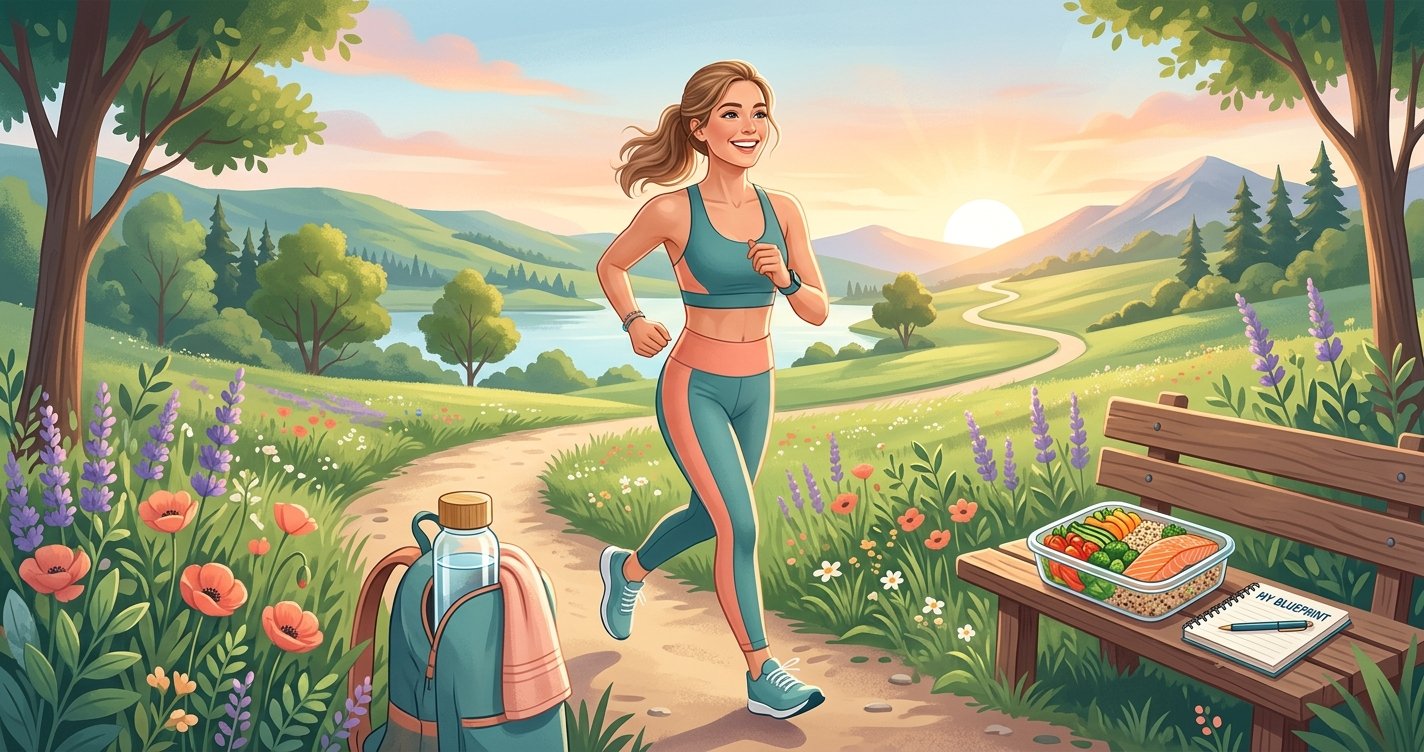
Tired of the Yo-Yo Diet Cycle? Discover Sustainable Fat Loss!
For many, the journey to fat loss feels like a constant battle. You try the latest diet, restrict yourself, see some initial results, only to regain the weight (and often more) once you stop. It’s a frustrating cycle that leaves you feeling defeated and questioning if lasting fat loss is even possible. We get it – the internet is flooded with quick fixes and extreme plans, making it hard to discern what truly works.
But what if we told you that sustainable fat loss isn't about deprivation or endless hours at the gym, but about building healthy habits that integrate seamlessly into your life? This isn't just about shedding pounds; it's about transforming your relationship with food, movement, and your body for long-term health and vitality. In this comprehensive guide, we'll dive deep into evidence-based strategies that empower you to achieve lasting fat loss, not just temporary results. Let's ditch the quick fixes and build a blueprint for a healthier, happier you! this excellent wellness product
The Non-Negotiable Foundation: Understanding Calorie Deficit
At its core, fat loss boils down to one fundamental principle: consuming fewer calories than your body expends. This is known as a calorie deficit. Your body needs a certain amount of energy (calories) to perform all its functions, from breathing to thinking to exercising. If you consistently provide less energy than it needs, your body will tap into its stored energy reserves – primarily body fat – to make up the difference. It's simple physics.
However, understanding this principle is just the first step. The key to sustainable fat loss lies in *how* you create and maintain that deficit. Crash diets that severely restrict calories often lead to muscle loss, nutrient deficiencies, and a metabolic slowdown, making it harder to keep the weight off in the long run. Our goal is to create a moderate, manageable deficit that allows for consistent fat loss while preserving muscle mass and supporting overall health.
Nutrition for Lasting Fat Loss: Fueling Your Body, Not Depriving It
Forget restrictive meal plans and 'forbidden' foods. Sustainable fat loss through nutrition is about making smart, informed choices that keep you satisfied, nourished, and energized, all while supporting your calorie deficit.
Prioritize Protein: Your Satiety Superstar
Protein is arguably the most crucial macronutrient for fat loss. It’s highly satiating, meaning it helps you feel fuller for longer, reducing the likelihood of overeating. Furthermore, protein has a higher thermic effect of food (TEF) compared to carbs and fats, meaning your body burns more calories digesting it. Crucially, adequate protein intake helps preserve precious muscle mass during a calorie deficit, which is vital for maintaining a healthy metabolism.
- Aim for: 0.7-1 gram of protein per pound of body weight.
- Sources: Lean meats, poultry, fish, eggs, dairy (Greek yogurt, cottage cheese), legumes, tofu, tempeh, protein powder.
Embrace Whole, Unprocessed Foods
Focus your diet around foods that are as close to their natural state as possible. Whole foods are typically rich in fiber, vitamins, and minerals, providing essential nutrients without excessive calories. They also tend to be more filling due to their fiber content and lower energy density.
- Limit: Highly processed foods, sugary drinks, excessive refined grains.
- Include: Plenty of fruits, vegetables, whole grains (oats, brown rice, quinoa), nuts, and seeds.
Smart Carb & Fat Choices
Carbohydrates and fats are essential for energy, hormone production, and nutrient absorption. The key is to choose wisely and in appropriate portions.
- Healthy Carbs: Focus on complex carbohydrates from whole grains, fruits, and vegetables for sustained energy and fiber.
- Healthy Fats: Include sources like avocados, olive oil, nuts, seeds, and fatty fish (salmon) for satiety and essential fatty acids. Portion control is key here, as fats are calorie-dense.
Movement That Matters: Beyond the Treadmill
While nutrition is paramount, incorporating regular physical activity significantly enhances fat loss efforts and offers a myriad of health benefits. It's not just about burning calories; it's about building strength, improving cardiovascular health, boosting mood, and shaping your physique.
Strength Training: Build Muscle, Boost Metabolism
Don't skip the weights! Strength training is incredibly effective for fat loss because it builds and maintains muscle mass. More muscle means a higher resting metabolic rate, meaning your body burns more calories even when you're at rest. It also helps sculpt your body, giving you a toned and strong appearance.
- Aim for: 2-4 sessions per week, targeting all major muscle groups.
- Examples: Lifting weights, bodyweight exercises (push-ups, squats, lunges), resistance bands.
Cardio: Heart Health & Calorie Burn
Cardiovascular exercise, often called cardio, is excellent for heart health, endurance, and burning calories. It can also be a fantastic stress reliever.
- Aim for: 150-300 minutes of moderate-intensity cardio per week, or 75-150 minutes of vigorous-intensity cardio.
- Examples: Brisk walking, jogging, cycling, swimming, dancing, hiking.
NEAT: The Unsung Hero of Daily Movement
Non-Exercise Activity Thermogenesis (NEAT) refers to the calories you burn through everyday activities that aren't formal exercise. Think fidgeting, walking to the kitchen, taking the stairs, or standing instead of sitting. Boosting your NEAT can significantly contribute to your overall calorie expenditure.
- Ideas: Take the stairs, park further away, stand more, do chores, walk during phone calls.
The Unsung Heroes: Sleep, Stress, and Hormones
You can eat perfectly and train consistently, but if you neglect these crucial elements, sustainable fat loss will remain elusive. Sleep, stress management, and hormonal balance play a profound role in your body's ability to shed fat.
The Power of Sleep: More Than Just Rest
Inadequate sleep wreaks havoc on your hormones, particularly those that regulate hunger and satiety. Lack of sleep increases ghrelin (the hunger hormone) and decreases leptin (the satiety hormone), leading to increased cravings and a tendency to overeat. It also elevates cortisol, a stress hormone that can promote fat storage, especially around the belly.
- Aim for: 7-9 hours of quality sleep per night.
- Tips: Establish a consistent sleep schedule, create a relaxing bedtime routine, avoid screens before bed, ensure your bedroom is dark and cool.
Managing Stress: Taming the Cortisol Beast
Chronic stress triggers the release of cortisol, which, as mentioned, can hinder fat loss and encourage fat storage. Stress can also lead to emotional eating, where food becomes a coping mechanism rather than fuel.
- Strategies: Practice mindfulness or meditation, engage in hobbies, spend time in nature, connect with loved ones, try deep breathing exercises.
Hormonal Balance: A Brief Overview
While complex, many hormones (like insulin, thyroid hormones, and sex hormones) influence fat metabolism. Healthy lifestyle choices – balanced nutrition, regular exercise, adequate sleep, and stress management – are the best ways to support optimal hormonal function for fat loss.
Cultivating a Sustainable Mindset: Patience & Progress, Not Perfection
Perhaps the most critical component of lasting fat loss is developing a resilient and positive mindset. This journey is a marathon, not a sprint, and there will be ups and downs. How you navigate these challenges determines your long-term success.
Set Realistic Goals & Celebrate Small Wins
Don't aim for overnight transformations. Focus on small, achievable goals that build momentum. Instead of 'lose 50 pounds,' think 'eat protein at every meal for a week' or 'walk 30 minutes daily.' Celebrate these smaller victories; they reinforce positive habits.
Focus on Habits, Not Just the Scale
The scale can be a useful tool, but it doesn't tell the whole story. Fluctuations are normal and can be due to water retention, muscle gain, or hormonal changes. Instead, focus on non-scale victories: increased energy, better sleep, clothes fitting better, improved strength, or a more positive mood. These are true indicators of progress.
Self-Compassion & Flexibility: Bouncing Back from Setbacks
You will have days where you overeat, miss a workout, or feel unmotivated. This is normal! The key is not to let one slip-up derail your entire journey. Practice self-compassion, learn from the experience, and get back on track with your next meal or workout. Consistency over perfection is the mantra for sustainable success.
Seek Support & Accountability
You don't have to do this alone. Share your goals with a supportive friend or family member, join a fitness community, or consider working with a qualified coach or dietitian. External support and accountability can be powerful motivators.
Your Action Plan: Starting Today
Sustainable fat loss isn't about magic pills or extreme diets; it's about making incremental, consistent changes that build into a healthier lifestyle. It's about empowering yourself with knowledge and fostering a mindset of patience and self-compassion.
You now have the blueprint. Don't try to change everything at once. Pick one or two areas from this guide that resonate most with you and start there. Maybe it's adding more protein to your breakfast, aiming for 7 hours of sleep tonight, or committing to a 20-minute walk during your lunch break. Small steps lead to big, lasting changes.
Embrace the Journey to a Healthier, Happier You!
Remember, this is your unique journey to a healthier, more vibrant you. Be patient, be persistent, and be kind to yourself. By focusing on sustainable habits, understanding the science, and cultivating a positive mindset, you're not just losing fat – you're building a foundation for lifelong health and well-being. You've got this!