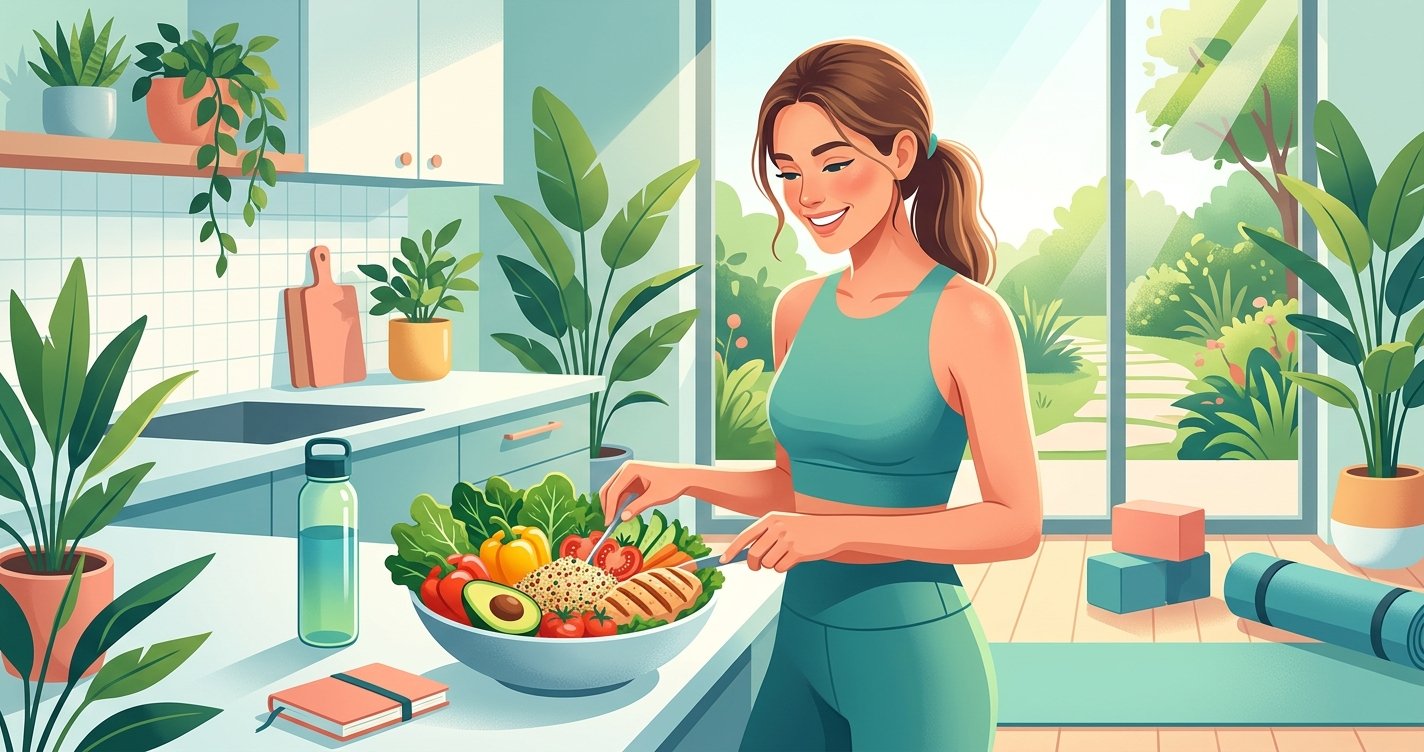
Tired of the endless cycle of crash diets, quick fixes, and the inevitable rebound? You're not alone. Many of us have been caught in the trap of restrictive eating and grueling workout plans, only to find ourselves back at square one, feeling frustrated and defeated. The truth is, sustainable fat loss isn't about deprivation; it's about embracing a lifestyle that nourishes your body, mind, and spirit for the long haul. It's about making changes you can stick with, not just for a few weeks, but for life.
In this comprehensive guide, we'll explore how to shift your focus from temporary fixes to lasting transformation. We’ll delve into evidence-based strategies that empower you to lose fat effectively, maintain your progress, and cultivate a healthier relationship with food and your body. Get ready to ditch the diet mentality and embark on a journey towards a more vibrant, energetic you! this excellent wellness product
Why Crash Diets Fail: Understanding the Cycle
Before we dive into sustainable solutions, let's briefly understand why the quick-fix approach so often backfires. Crash diets typically involve severe calorie restriction, cutting out entire food groups, or relying on extreme detoxes. While they might deliver rapid initial weight loss, this is often due to water loss and muscle breakdown, not just fat. Here’s why they’re unsustainable:
- Metabolic Slowdown: Your body is smart. When it senses a drastic reduction in calories, it slows down your metabolism to conserve energy, making it harder to lose fat in the long run.
- Nutrient Deficiencies: Restrictive diets often lack essential vitamins, minerals, and macronutrients, impacting your energy levels, mood, and overall health.
- Intense Cravings and Rebound: Deprivation inevitably leads to intense cravings. Once the diet ends, many people overeat, leading to rapid weight regain and often surpassing their original weight. This is often called the "yo-yo effect."
- Psychological Toll: The constant focus on restriction can lead to feelings of guilt, shame, and anxiety around food, fostering an unhealthy relationship with eating.
Sustainable fat loss, conversely, focuses on gradual, manageable changes that improve your health and well-being without triggering these negative responses.
Nourish, Don't Punish: The Power of Whole Foods
When it comes to fat loss, nutrition is paramount, but it doesn't have to be complicated or joyless. The foundation of sustainable eating is prioritizing whole, unprocessed foods. Think about what our ancestors ate: foods from the earth, not from a factory.
- Lean Proteins: Chicken, fish, eggs, tofu, lentils, beans. Protein is crucial for satiety, muscle preservation, and has a higher thermic effect (meaning your body burns more calories digesting it).
- Complex Carbohydrates: Whole grains (oats, brown rice, quinoa), sweet potatoes, fruits, vegetables. These provide sustained energy, fiber for digestive health, and essential nutrients. Forget the idea that all carbs are bad; the right carbs are your friends!
- Healthy Fats: Avocados, nuts, seeds, olive oil, fatty fish. Fats are vital for hormone production, nutrient absorption, and keeping you feeling full.
- Plenty of Fiber: Found in fruits, vegetables, whole grains, and legumes. Fiber helps regulate blood sugar, promotes gut health, and significantly increases satiety, helping you eat less overall.
Focus on adding nutrient-dense foods rather than just subtracting. Fill your plate with colorful vegetables, lean protein, and a moderate amount of healthy fats and complex carbs. This approach naturally leads to a caloric deficit without feeling deprived.
Move Your Body, Love Your Body: Finding Joy in Activity
Exercise isn't just about burning calories; it's about building strength, improving cardiovascular health, boosting mood, and increasing your metabolic rate. Sustainable activity means finding movement you genuinely enjoy, making it easier to stick with.
- Strength Training: Lifting weights (or using your body weight) is incredibly effective for fat loss. Muscle tissue is metabolically active, meaning it burns more calories at rest than fat tissue. Aim for 2-3 sessions per week.
- Cardiovascular Exercise: Walking, jogging, cycling, swimming, dancing – choose what excites you! Cardio improves heart health and burns calories. Aim for 150 minutes of moderate-intensity or 75 minutes of vigorous-intensity cardio per week.
- Non-Exercise Activity Thermogenesis (NEAT): This is the energy expended for everything we do that is not sleeping, eating, or sports-like exercise. Think fidgeting, walking to work, taking the stairs, gardening. Increasing your NEAT throughout the day can significantly boost your daily calorie expenditure.
- Listen to Your Body: Some days you might feel like a high-intensity workout; other days, a gentle walk or yoga might be more appropriate. Consistency over intensity is key for long-term adherence.
The goal isn't to punish yourself with grueling workouts, but to integrate enjoyable movement into your daily life. Find an activity partner, join a class, or explore new trails – make it fun!
The Unseen Heroes: Sleep, Stress, and Hydration
Often overlooked, these three pillars are crucial for successful and sustainable fat loss. They profoundly impact your hormones, energy levels, and overall well-being.
- Sleep: Lack of sleep disrupts hormones like ghrelin (which stimulates appetite) and leptin (which signals fullness), leading to increased cravings, especially for high-calorie, high-carb foods. Aim for 7-9 hours of quality sleep per night.
- Stress Management: Chronic stress elevates cortisol levels, a hormone that can promote fat storage, particularly around the abdominal area. Find healthy ways to manage stress, such as meditation, deep breathing, yoga, spending time in nature, or hobbies you enjoy.
- Hydration: Drinking enough water is essential for metabolism, digestion, and satiety. Sometimes, your body confuses thirst with hunger. Aim for 8 glasses (about 2 liters) of water daily, and even more if you're active.
Prioritizing these aspects can have a surprisingly powerful impact on your fat loss journey, making other efforts more effective and enjoyable.
Mind Over Matter: Cultivating a Healthy Relationship with Food and Yourself
Sustainable fat loss isn't just about what you eat or how you move; it's profoundly about your mindset and relationship with food. This shift is perhaps the most powerful and lasting change you can make.
- Mindful Eating: Pay attention to your body's hunger and fullness cues. Eat slowly, savor your food, and avoid distractions. This helps you recognize when you're truly hungry and when you're satisfied, preventing overeating.
- Ditch the "Good" vs. "Bad" Food Labels: Categorizing foods as strictly good or bad can lead to guilt and shame. Instead, focus on nutrient density and moderation. All foods can fit into a healthy lifestyle in appropriate amounts.
- Self-Compassion: Be kind to yourself. There will be days when you slip up, eat something "off-plan," or miss a workout. Instead of dwelling on it, acknowledge it, learn from it, and gently guide yourself back on track. Perfection is not the goal; progress is.
- Focus on Health, Not Just a Number: Shift your focus from the scale to how you feel, your energy levels, your strength, and your overall health. The numbers will follow, but true success is a feeling of well-being.
Building a positive body image and a healthy self-dialogue are fundamental to sustained success. Remember, you are worthy of health and happiness, regardless of your size or shape.
Building Sustainable Habits: Small Steps, Big Results
The secret to lasting change lies in consistency and small, manageable habits that compound over time. Don't try to overhaul everything at once; pick one or two areas to focus on each week.
- Start Small: Instead of "I'm going to run a marathon," try "I'll walk for 15 minutes after dinner." Instead of "I'm cutting out all sugar," try "I'll replace one sugary drink with water today."
- Consistency is Key: Doing a little bit consistently is far more effective than doing a lot sporadically.
- Plan Ahead: Meal prepping, planning workouts, and scheduling time for self-care can significantly increase your chances of success.
- Track Your Progress (Non-Scale): While the scale can be a data point, also track other victories: increased energy, clothes fitting better, improved strength, better sleep, clearer skin, a more positive mood.
- Seek Support: Share your goals with a supportive friend or family member, join a community, or consider working with a coach. Accountability can be a powerful motivator.
Celebrate every small victory. Each healthy choice is a step towards your long-term goals.
Your Journey to a Healthier, Happier You Starts Now
Sustainable fat loss isn't a race; it's a marathon of consistent, kind choices that build a healthier life. It's about moving away from the restrictive diet mentality and towards an empowering lifestyle that prioritizes your well-being. By focusing on whole foods, enjoyable movement, quality sleep, stress management, and cultivating a positive mindset, you're not just losing fat – you're gaining health, energy, and a deeper appreciation for your body.
Remember, this is your unique journey. Be patient, be persistent, and most importantly, be kind to yourself. You have the power to create lasting change and unlock the vibrant, energetic person you're meant to be. Take that first small step today, and watch how it transforms your tomorrow.