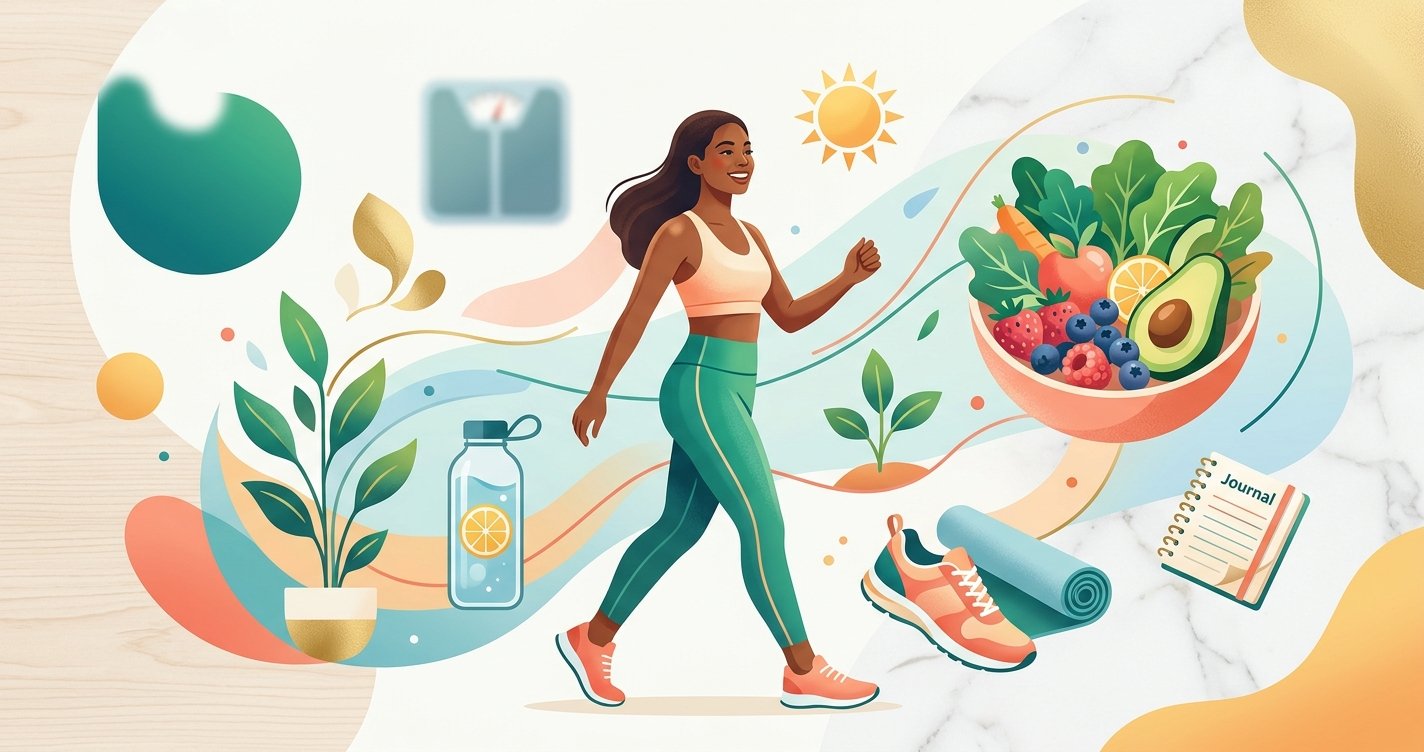
Tired of the Diet Rollercoaster? Embrace Sustainable Fat Loss!
Have you ever felt caught in a frustrating cycle of dieting? You commit to a strict plan, see some initial results, only to find yourself back where you started (or even heavier) a few months later? You're not alone. The truth is, quick-fix diets often fail because they're, well, quick fixes. They're designed for short-term results, not for the long haul of a healthy, fulfilling life.
This isn't another diet plan. Instead, this guide is about empowering you with evidence-based strategies to achieve sustainable fat loss by focusing on lasting lifestyle changes. We'll explore how to nourish your body, move with joy, manage stress, and prioritize rest – all crucial elements often overlooked in the pursuit of a lower number on the scale. Get ready to ditch the deprivation and embrace a path that feels good, lasts longer, and truly transforms your relationship with your body. this excellent wellness product
Why "Diets" Often Fail: Understanding the Cycle
The Allure of Quick Fixes
It's easy to be drawn to diets promising rapid weight loss. The idea of shedding pounds quickly is appealing, especially when we're feeling impatient or frustrated. These diets often involve extreme calorie restriction or cutting out entire food groups. While they might deliver initial results, they're rarely sustainable because they don't teach you how to live a balanced life once the "diet" is over.
Metabolic Adaptation and Rebound Weight Gain
When you drastically cut calories, your body, in its wisdom, thinks there's a famine. It adapts by slowing down your metabolism to conserve energy. This makes it harder to lose weight and easier to regain it once you return to a more normal eating pattern. This metabolic slowdown, combined with increased hunger hormones (like ghrelin) and decreased satiety hormones (like leptin), often leads to the infamous rebound weight gain, leaving you feeling defeated and often heavier than before.
Beyond the physical toll, the psychological impact of constant dieting can be immense. Feelings of failure, guilt, and a strained relationship with food are common. Our goal here is to break that cycle entirely.
The Foundation: Mindful Eating and Nutritional Wisdom
Ditching Restriction for Awareness
Instead of rigid meal plans, let's talk about mindful eating. This practice encourages you to pay attention to your body's hunger and fullness cues, savor your food, and notice how different foods make you feel. It's about eating when you're truly hungry and stopping when you're comfortably full, rather than eating out of habit, boredom, or stress.
- Tune In: Before eating, ask yourself, "Am I truly hungry?"
- Slow Down: Eat slowly, chew thoroughly, and put your fork down between bites.
- Engage Your Senses: Notice the colors, textures, aromas, and flavors of your food.
- Stop When Satisfied: Learn to recognize the signal of comfortable fullness, not overstuffed.
Prioritizing Whole, Unprocessed Foods
While no food is inherently "bad," focusing on whole, unprocessed foods forms the cornerstone of sustainable fat loss. These foods are rich in nutrients, fiber, and protein, which keep you feeling full and satisfied, support healthy digestion, and provide sustained energy.
- Lean Proteins: Chicken, fish, tofu, beans, lentils, eggs. Protein is crucial for muscle maintenance and satiety.
- Plenty of Vegetables: Non-starchy vegetables are packed with vitamins, minerals, and fiber, and are very low in calories. Fill half your plate with them!
- Fruits: Nature's candy, offering natural sugars, fiber, and antioxidants.
- Whole Grains: Oats, quinoa, brown rice, whole-wheat bread. These provide sustained energy and fiber, unlike refined grains.
- Healthy Fats: Avocados, nuts, seeds, olive oil. Essential for hormone production and nutrient absorption, and they contribute to satiety.
Remember, it's about adding nourishing foods, not just taking things away. This approach feels abundant, not restrictive.
Hydration: An Underrated Ally
Often overlooked, adequate water intake is vital for fat loss. Water helps your metabolism function optimally, aids in nutrient transport, and can even help you feel fuller. Sometimes, what we perceive as hunger is actually thirst. Aim for at least 8 glasses of water a day, more if you're active.
Move Your Body: Smart Exercise for Fat Loss
Exercise isn't just about burning calories; it's about building a stronger, healthier, more resilient body. The key is finding movement you enjoy and can stick with consistently.
The Power of Strength Training
If there's one type of exercise to prioritize for fat loss, it's strength training. Building muscle is incredibly beneficial because muscle tissue is more metabolically active than fat tissue. This means the more muscle you have, the more calories your body burns at rest, even when you're not exercising!
- Boosts Metabolism: Higher resting metabolic rate.
- Improves Body Composition: Changes how your body looks, even if the scale doesn't budge dramatically.
- Enhances Strength and Function: Makes everyday tasks easier and improves overall quality of life.
Aim for 2-3 full-body strength training sessions per week. You can use weights, resistance bands, or even your own body weight.
Incorporating Consistent Cardio
Cardiovascular exercise, often called cardio, is excellent for heart health, endurance, and burning calories during the activity. The best cardio is the one you enjoy enough to do regularly!
- Moderate Intensity: Brisk walking, cycling, swimming, dancing. Aim for 150-300 minutes per week.
- High-Intensity Interval Training (HIIT): Shorter bursts of intense exercise followed by brief recovery periods. Can be very efficient for fat loss, but listen to your body and don't overdo it.
The Importance of NEAT (Non-Exercise Activity Thermogenesis)
Don't underestimate the power of daily movement outside of structured exercise. NEAT includes things like walking to the store, taking the stairs, gardening, cleaning, or fidgeting. These small movements add up significantly over the course of a day and contribute to your overall calorie expenditure.
- Take the stairs instead of the elevator.
- Park further away from your destination.
- Go for a walk during your lunch break.
- Stand more often throughout the day.
The Unsung Heroes: Sleep, Stress, and Recovery
You can eat perfectly and exercise diligently, but if you neglect these three areas, your fat loss journey will be an uphill battle.
The Critical Role of Quality Sleep
Sleep is where your body repairs, recovers, and regulates vital hormones. Lack of sleep throws these hormones out of whack:
- Ghrelin (Hunger Hormone): Increases when you're sleep-deprived, making you feel hungrier.
- Leptin (Satiety Hormone): Decreases with poor sleep, reducing your feeling of fullness.
- Cortisol (Stress Hormone): Elevates with insufficient sleep, which can promote belly fat storage.
Aim for 7-9 hours of quality sleep per night. Create a consistent sleep schedule, make your bedroom dark and cool, and limit screen time before bed.
Taming the Stress Monster
Chronic stress is a major impediment to fat loss. When stressed, your body releases cortisol. While short-term cortisol is beneficial, chronically elevated levels can lead to increased appetite, cravings for sugary and fatty foods, and a tendency to store fat around your midsection.
- Identify Stressors: Understand what triggers your stress.
- Practice Stress-Reducing Techniques: Meditation, deep breathing exercises, yoga, spending time in nature, listening to music, engaging in hobbies.
- Seek Support: Talk to friends, family, or a professional if stress feels overwhelming.
Prioritizing Rest and Recovery
Your muscles need time to repair and grow after exercise. Overtraining can lead to fatigue, injury, and elevated cortisol levels, hindering your progress. Incorporate rest days into your routine, and consider active recovery activities like gentle stretching or walking on these days.
Building Sustainable Habits: Consistency Over Perfection
Small, Incremental Changes
Trying to overhaul your entire life at once is a recipe for burnout. Instead, focus on making one or two small, manageable changes at a time. Once those become habits, add another. This gradual approach builds confidence and creates lasting change.
- Start by adding one extra serving of vegetables to your dinner.
- Commit to a 15-minute walk every day.
- Swap one sugary drink for water.
Setting Realistic Goals
Shift your focus from solely the number on the scale. While it can be a useful metric, it doesn't tell the whole story. Celebrate non-scale victories:
- Increased energy levels.
- Clothes fitting better.
- Improved strength and endurance.
- Better sleep quality.
- A more positive body image.
These are powerful indicators of progress and often more motivating than a fluctuating number.
Embracing Flexibility and Self-Compassion
Life happens! There will be days when you don't eat perfectly or miss a workout. That's okay. The key is to not let one "off" day derail your entire journey. Practice self-compassion, learn from the experience, and get back on track with your next meal or workout. This is a marathon, not a sprint, and consistency over time beats short bursts of perfection every single time.
Your Journey to Lasting Fat Loss Starts Today
Sustainable fat loss isn't about deprivation or punishment; it's about nourishing your body, moving it with purpose, and nurturing your overall well-being. By integrating mindful eating, smart exercise, quality sleep, and effective stress management into your daily life, you're not just losing fat – you're building a healthier, happier, and more vibrant you for the long run.
Be patient, be persistent, and most importantly, be kind to yourself. Your body is capable of amazing things, and with these sustainable habits, you're setting yourself up for success that truly lasts. Start your journey today, one positive step at a time!