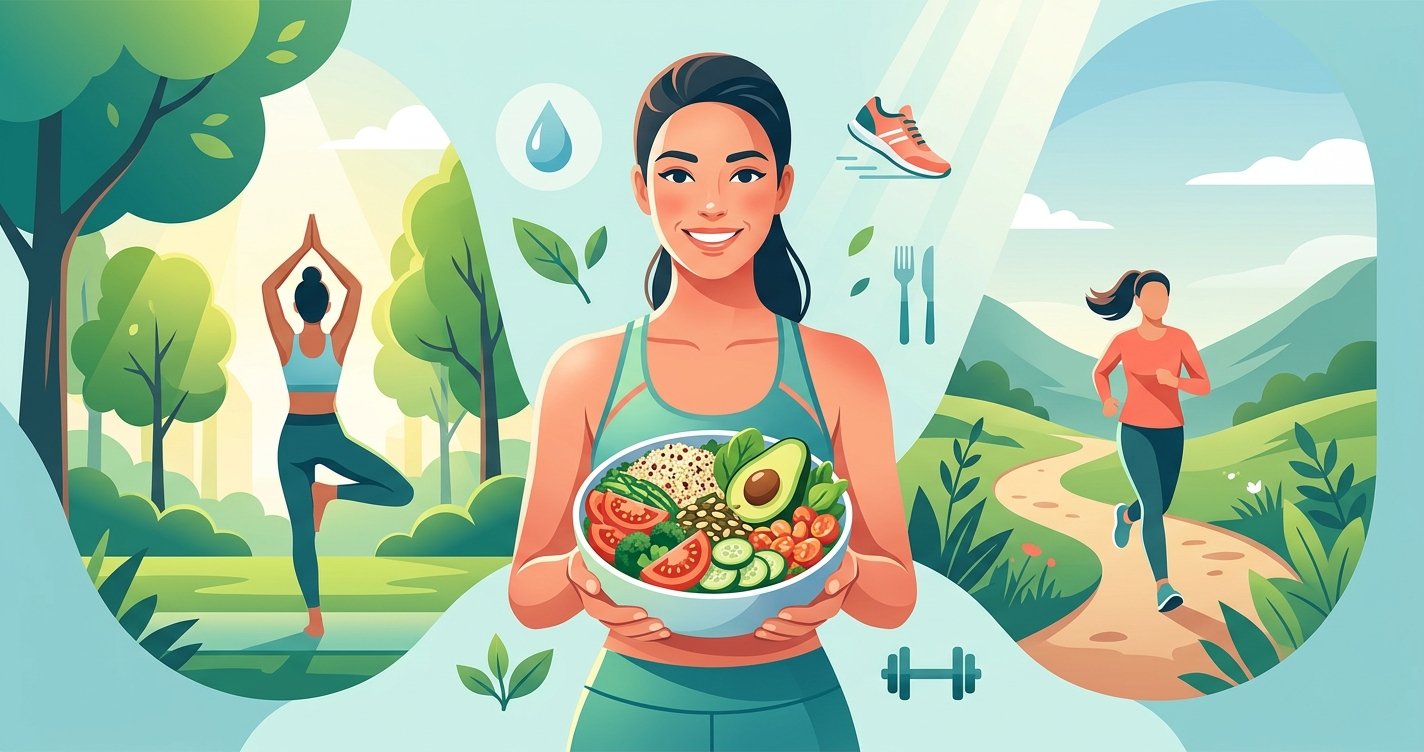
The Journey to Lasting Results: Why Sustainable Fat Loss Matters
Many of us have been there: a new year, a new diet, a promise to shed those extra pounds quickly. We jump onto the latest fad, cut out entire food groups, or drastically reduce calories, hoping for a magic bullet. And for a while, it might even seem to work! The scale budges, clothes feel looser. But then, almost inevitably, the weight creeps back, often bringing a few extra friends along for the ride. We're left feeling defeated, frustrated, and wondering why sustainable fat loss feels like an impossible dream.
What if I told you that the problem isn't your willpower, but the approach itself? The truth is, crash diets and extreme restrictions rarely lead to lasting results. They often leave us feeling deprived, hungry, and disconnected from our bodies. The good news? There's a much kinder, more effective path to achieving and maintaining your fat loss goals – one that focuses on building sustainable lifestyle habits rather than chasing temporary fixes. This isn't about dieting; it's about transforming your relationship with food, movement, and yourself for the long haul. Let's explore how you can achieve genuine, lasting fat loss, free from the diet cycle. this excellent wellness product
The Pitfalls of Quick Fixes: Why Crash Diets Fail
Crash diets promise rapid results, but they come with a hidden cost. When you drastically cut calories, your body, designed for survival, perceives this as a famine. It responds by slowing down your metabolism to conserve energy, a process known as metabolic adaptation. This means your body burns fewer calories, making it harder to lose weight and easier to regain it once you return to normal eating patterns.
Moreover, extreme restriction often leads to nutrient deficiencies, muscle loss (which further slows metabolism), and an unhealthy relationship with food. The psychological toll is significant too: constant hunger, mood swings, social isolation, and the inevitable "all or nothing" mentality that sets you up for failure and guilt. You might lose weight, but you're not building habits you can maintain for life, making rebound weight gain almost a certainty.
Shifting Your Mindset: The Foundation of Sustainable Change
True sustainable fat loss begins not on a plate, but in your mind. Instead of viewing this as a temporary punishment, reframe it as an investment in your long-term health and well-being.
- Focus on Health, Not Just Weight: Shift your goal from a number on the scale to feeling energetic, strong, and vibrant. When health becomes the primary motivator, sustainable choices feel less like chores and more like acts of self-care.
- Embrace Self-Compassion: Understand that setbacks are part of any journey. Instead of beating yourself up, learn from them and get back on track with kindness. Your body isn't the enemy; it's your partner.
- Practice Mindful Eating: This is perhaps one of the most powerful tools. Mindful eating means paying attention to your body's hunger and fullness cues, savoring your food, and noticing how different foods make you feel.
- Eat slowly, without distractions (no phone, TV).
- Tune into your body: Are you truly hungry, or just bored, stressed, or thirsty?
- Stop when you're satisfied, not stuffed.
- Appreciate the taste, texture, and smell of your food.
Mindful eating helps you develop an intuitive understanding of your body's needs, reducing overeating and fostering a healthier relationship with food.
Fueling Your Body Smartly: Beyond Calorie Counting
While calories matter, focusing solely on numbers can be restrictive and misleading. Instead, prioritize the quality of your calories.
- Embrace Whole, Unprocessed Foods: Build your meals around vegetables, fruits, lean proteins (chicken, fish, tofu, beans), whole grains (oats, quinoa, brown rice), and healthy fats (avocado, nuts, seeds, olive oil). These foods are nutrient-dense, filling, and naturally lower in calories compared to their processed counterparts.
- Power of Protein and Fiber: Protein is crucial for satiety and preserving muscle mass during fat loss. Fiber, found in fruits, vegetables, and whole grains, keeps you feeling full, aids digestion, and helps regulate blood sugar. Aim to include a source of lean protein and plenty of fiber at every meal.
- Hydration is Key: Often overlooked, drinking enough water is vital. It can help you feel full, boost metabolism slightly, and is essential for countless bodily functions. Sometimes, what feels like hunger is actually thirst.
- Smart Portion Control: Instead of rigid measuring, practice visual portion control. Use smaller plates, fill half your plate with non-starchy vegetables, a quarter with lean protein, and a quarter with whole grains or healthy starches. Listen to your body's fullness cues.
Moving Your Body Joyfully: Finding Activity You Love
Forget the idea that exercise has to be a grueling chore. Movement should be something you enjoy, something that makes you feel good.
- Find Your Fun: Whether it's dancing, hiking, swimming, cycling, yoga, lifting weights, or simply walking your dog, choose activities that bring you joy. When you enjoy it, you're far more likely to stick with it.
- Mix It Up: Incorporate a variety of movement:
- Strength Training: Essential for building and maintaining muscle mass, which boosts your metabolism and helps sculpt your body. Aim for 2-3 sessions per week.
- Cardio: Improves heart health and burns calories. Think brisk walking, jogging, cycling, or swimming for 150-300 minutes per week.
- Flexibility & Balance: Yoga, Pilates, or stretching can improve mobility and reduce injury risk.
- Prioritize Consistency Over Intensity: A moderate workout you do consistently is far more effective than sporadic, intense sessions that leave you burnt out. Even short bursts of activity throughout the day add up. Take the stairs, park further away, walk during your lunch break. Every step counts!
The Power of Sleep and Stress Management
These two often neglected pillars play a monumental role in your fat loss journey.
- Sleep for Success: Lack of sleep disrupts key hormones that regulate appetite and fat storage. When you're sleep-deprived, your body produces more ghrelin (the hunger hormone) and less leptin (the satiety hormone), leading to increased cravings, especially for high-calorie, high-sugar foods. It also elevates cortisol, the stress hormone, which can promote belly fat storage. Aim for 7-9 hours of quality sleep per night.
- Tame the Stress Monster: Chronic stress, like lack of sleep, keeps cortisol levels elevated. This not only encourages fat storage around the midsection but can also lead to emotional eating as a coping mechanism.
- Practical Stress Busters: Incorporate stress-reducing activities into your daily routine: meditation, deep breathing exercises, spending time in nature, journaling, listening to music, or connecting with loved ones. Prioritizing self-care isn't selfish; it's essential for your physical and mental health.
Building Sustainable Habits: Small Steps, Big Impact
The journey to sustainable fat loss is about making small, consistent changes that accumulate over time.
- Start Small: Don't try to overhaul everything at once. Pick one or two habits to focus on each week or month. For example, "I will drink a glass of water before every meal," or "I will go for a 15-minute walk daily."
- Consistency is King: It's the daily repetition of these small actions that creates lasting change, not occasional grand gestures. Don't aim for perfection; aim for consistency.
- Track Your Progress (Beyond the Scale): While the scale can be a tool, it doesn't tell the whole story. Pay attention to:
- How your clothes fit.
- Your energy levels.
- Improvements in strength or endurance.
- Better sleep quality.
- Your mood and mental clarity.
These non-scale victories are powerful indicators of progress and help maintain motivation.
- Seek Support: You don't have to do this alone. Share your goals with a supportive friend or family member, consider working with a coach, or join a community. Accountability and encouragement can make a huge difference.
Your Path to Lasting Health and Happiness
Sustainable fat loss isn't a race; it's a marathon of self-discovery, patience, and consistent effort. By shifting your focus from restrictive diets to building healthy, enjoyable lifestyle habits, you empower yourself to achieve lasting results. Embrace mindful eating, move your body joyfully, prioritize sleep and stress management, and be kind to yourself every step of the way. This journey is about nurturing your body, honoring its needs, and cultivating a relationship with health that serves you for a lifetime. You have the power to break free from the diet cycle and create a healthier, happier you. Start today, one small, sustainable step at a time.