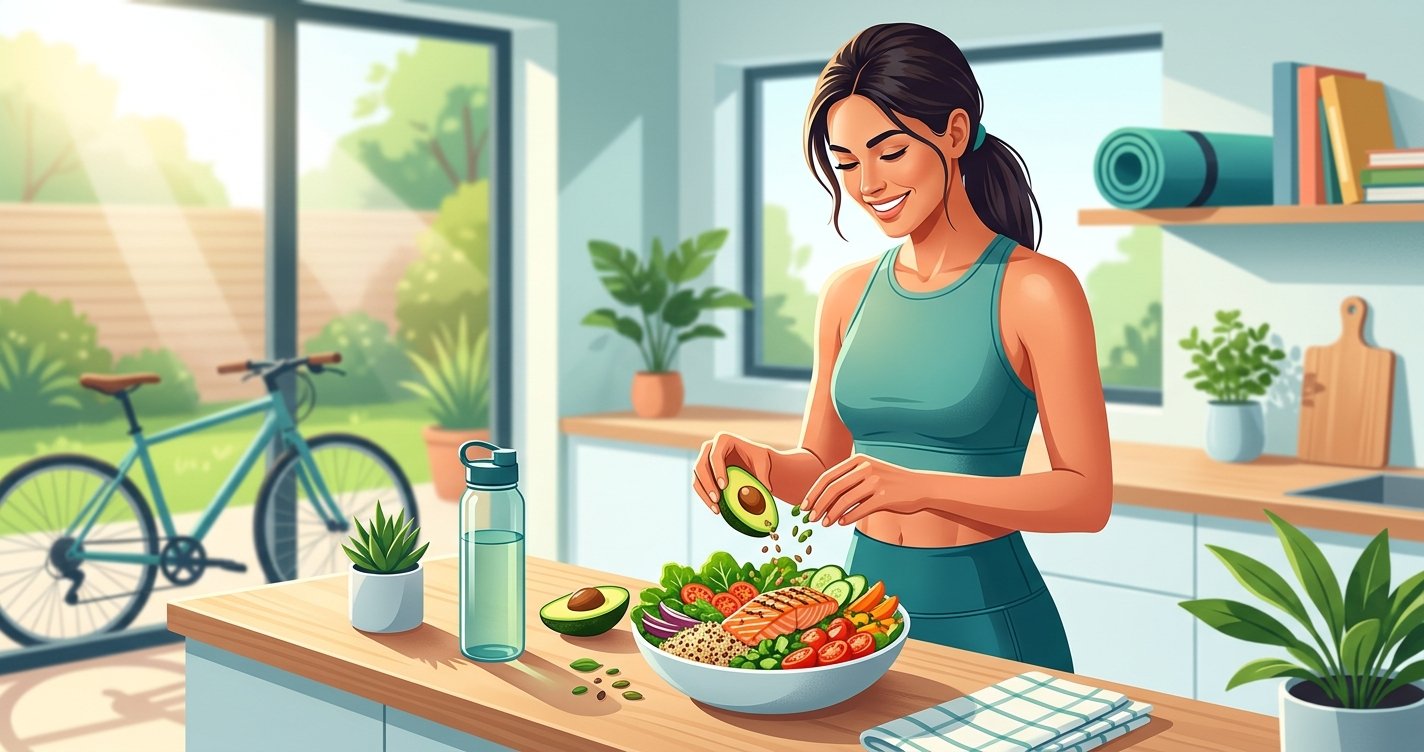
Are you tired of the endless cycle of crash diets, restrictive eating, and the frustrating rebound weight gain? You're not alone. In a world saturated with quick fixes and drastic measures, it's easy to lose sight of what truly works for sustainable fat loss: a balanced, non-restrictive approach that focuses on long-term lifestyle changes rather than temporary deprivation. This isn't about counting every calorie or eliminating entire food groups; it's about understanding your body, nourishing it intelligently, and building habits that support your health and happiness for life. Let's ditch the diet mentality and embark on a journey towards lasting fat loss, fueled by evidence, self-compassion, and genuine enjoyment of life.
Why Crash Diets Fail (And What to Do Instead)
The allure of rapid weight loss is powerful, but crash diets rarely deliver on their promises of lasting results. While you might see initial drops on the scale, these extreme methods often lead to metabolic slowdown, muscle loss, and a significant psychological toll. Your body, designed for survival, perceives severe calorie restriction as a famine. In response, it lowers your metabolic rate to conserve energy, making it harder to lose fat in the long run. Furthermore, the intense deprivation often triggers cravings and overeating, leading to the dreaded "yo-yo" effect where lost weight quickly returns, often with extra pounds. Instead of fighting your body, let's learn to work with it. this excellent wellness product
- Focus on a moderate, sustainable calorie deficit: Aim for a deficit of 300-500 calories below your maintenance level. This allows for steady fat loss without triggering extreme metabolic adaptation.
- Prioritize protein: Protein is highly satiating and helps preserve muscle mass during fat loss, which is crucial for maintaining a healthy metabolism.
- Embrace whole foods: Nutrient-dense foods provide essential vitamins and minerals, support satiety, and fuel your body efficiently.
The Power of Mindful Eating: Beyond Calorie Counting
While a calorie deficit is fundamental for fat loss, the "how" you eat is just as important as the "what." Mindful eating is a powerful tool that helps you reconnect with your body's natural hunger and fullness cues, fostering a healthier relationship with food. It's about paying attention to the experience of eating – the flavors, textures, and your body's signals – rather than just mindlessly consuming. This practice can prevent overeating, improve digestion, and increase your enjoyment of meals.
Practical Steps for Mindful Eating:
- Eat slowly and savor each bite: Put your fork down between bites, chew thoroughly, and truly taste your food.
- Tune into your hunger and fullness cues: Before eating, ask yourself, "Am I truly hungry?" During your meal, pause and assess your satiety level. Aim to eat until you're satisfied, not stuffed.
- Minimize distractions: Turn off the TV, put away your phone, and focus solely on your meal.
- Practice gratitude: Take a moment to appreciate your food and the nourishment it provides.
Fueling Your Body Smartly: Nutrient-Dense Choices
You don't need to eliminate your favorite foods, but shifting your focus towards nutrient-dense options can significantly impact your fat loss journey and overall health. Think of food as fuel – you want the highest quality fuel for optimal performance. This means prioritizing whole, unprocessed foods that provide essential macronutrients (protein, carbohydrates, fats) and micronutrients (vitamins, minerals).
Key Nutritional Pillars for Fat Loss:
- High-Quality Protein: Lean meats, poultry, fish, eggs, dairy, legumes, tofu. Protein helps build and repair muscle, boosts satiety, and has a higher thermic effect (meaning your body burns more calories digesting it).
- Complex Carbohydrates: Whole grains (oats, brown rice, quinoa), fruits, vegetables, sweet potatoes. These provide sustained energy, fiber for digestion, and essential nutrients without the blood sugar spikes of refined carbs.
- Healthy Fats: Avocados, nuts, seeds, olive oil, fatty fish. Healthy fats are crucial for hormone production, nutrient absorption, and satiety. They also add flavor and satisfaction to your meals.
- Fiber-Rich Foods: Found in fruits, vegetables, whole grains, and legumes. Fiber promotes digestive health, helps you feel full longer, and can stabilize blood sugar levels.
Remember, it's about addition, not just subtraction. By adding more of these beneficial foods, you naturally crowd out less healthy options without feeling deprived.
Movement That Matters: Finding Your Joy in Activity
Exercise isn't just about burning calories; it's about building strength, improving cardiovascular health, boosting mood, and enhancing overall well-being. The key to sustainable movement for fat loss is finding activities you genuinely enjoy. If you dread your workouts, you're less likely to stick with them long-term. There's no single "best" exercise; the best exercise is the one you'll do consistently.
Strategies for Enjoyable Movement:
- Mix it up: Combine resistance training (to build muscle, which boosts metabolism) with cardiovascular exercise (for heart health and calorie burn).
- Find your passion: Whether it's dancing, hiking, swimming, cycling, yoga, or team sports, explore different activities until you find what makes you happy.
- Incorporate daily movement: Take the stairs, walk during your lunch break, park further away, do active chores. Every bit adds up!
- Listen to your body: Rest when needed, prevent burnout, and avoid injury. Consistency over intensity is key.
Aim for a minimum of 150 minutes of moderate-intensity aerobic activity or 75 minutes of vigorous-intensity aerobic activity per week, plus two or more days of muscle-strengthening activities that work all major muscle groups.
The Unsung Heroes of Fat Loss: Sleep, Stress, and Hydration
Often overlooked, these three pillars play a critical role in your body's ability to shed fat and maintain overall health. Neglecting them can sabotage even the most diligent efforts in diet and exercise.
Prioritize These Foundation Builders:
- Quality Sleep: When you're sleep-deprived, your body produces more ghrelin (the hunger hormone) and less leptin (the satiety hormone), leading to increased appetite and cravings for unhealthy foods. Aim for 7-9 hours of quality sleep per night. Establish a consistent sleep schedule, create a relaxing bedtime routine, and optimize your sleep environment.
- Stress Management: Chronic stress elevates cortisol levels, a hormone that can promote fat storage, especially around the abdominal area. Find healthy ways to manage stress, such as meditation, deep breathing exercises, spending time in nature, hobbies, or connecting with loved ones.
- Adequate Hydration: Drinking enough water is essential for metabolism, digestion, and satiety. Sometimes, thirst is mistaken for hunger. Aim for at least 8 glasses (around 2 liters) of water per day, and more if you're active or in a hot climate. Water also helps transport nutrients and flush out waste products.
Building Sustainable Habits: Small Steps, Big Results
The journey to sustainable fat loss isn't a race; it's a marathon. It's about making small, consistent changes that accumulate over time to create lasting results. Don't try to overhaul everything at once. Pick one or two areas to focus on, master them, and then gradually add more healthy habits.
Tips for Lasting Change:
- Set realistic goals: Aim for a healthy fat loss rate of 1-2 pounds per week.
- Track your progress (not just the scale): Monitor energy levels, mood, clothing fit, strength gains, and body measurements.
- Be patient and persistent: There will be plateaus and setbacks. Learn from them, adjust, and keep going.
- Seek support: Share your goals with friends or family, consider a coach, or join a supportive community.
- Practice self-compassion: Don't beat yourself up over perceived failures. Every day is a new opportunity to make healthy choices.
Your Journey to Lasting Health Begins Now
Sustainable fat loss is not about perfection; it's about progress, self-discovery, and building a life where health and happiness go hand in hand. By embracing non-restrictive eating, finding joy in movement, prioritizing sleep and stress management, and cultivating patience, you're not just losing weight – you're building a stronger, healthier, and more vibrant you. Ditch the quick fixes and commit to the journey. Your body and mind will thank you for it. What small, positive change will you make today?