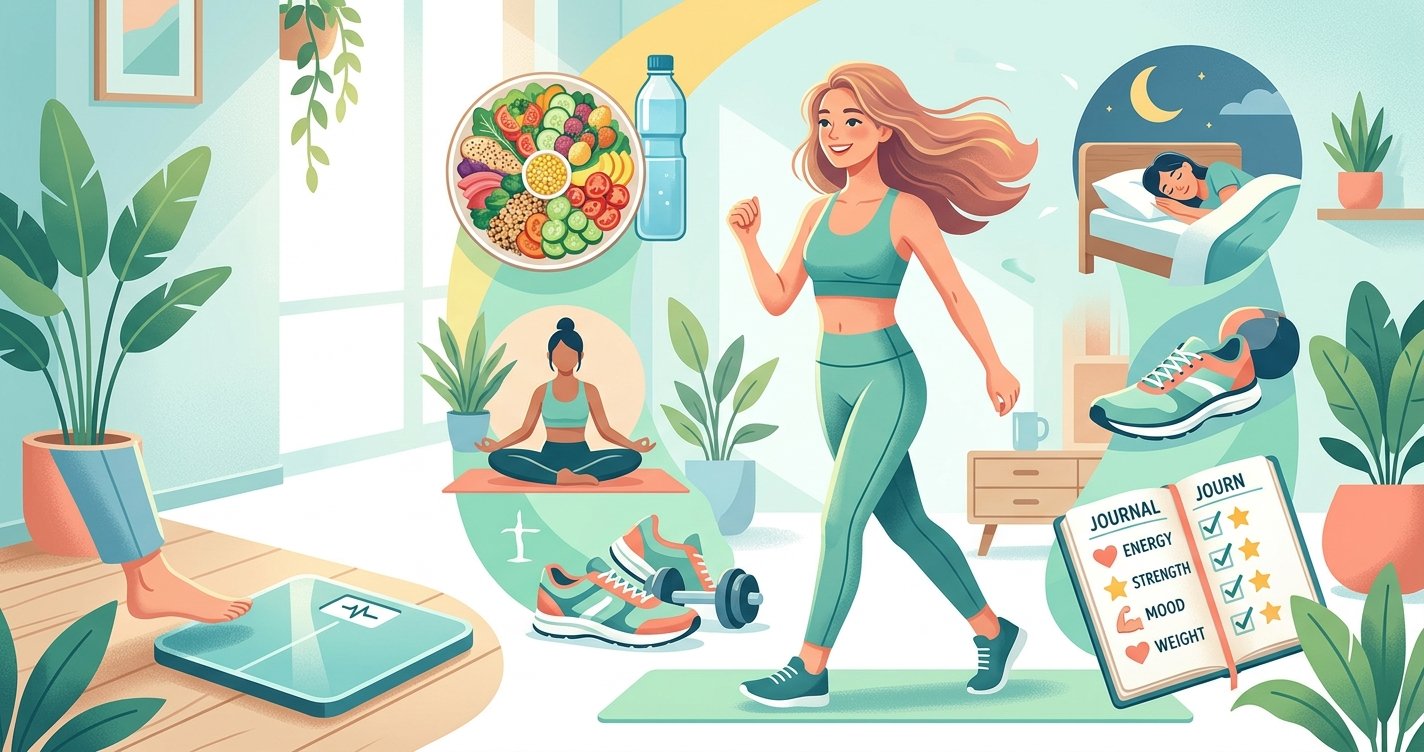
Beyond the Scale: Achieving Sustainable Fat Loss Through Lifestyle Habits
Are you tired of the endless cycle of restrictive diets, intense workouts that burn you out, and the frustrating 'yo-yo' effect on your weight? You're not alone. Many people embark on their fat loss journey with high hopes, only to find themselves back where they started – or even further behind – a few months down the line. The truth is, quick fixes rarely lead to lasting results. Sustainable fat loss isn't about deprivation; it's about embracing a holistic lifestyle shift that nurtures your body, mind, and spirit. This isn't just about shedding pounds; it's about building habits that support a healthier, happier you for the long run. Let's dive into how you can achieve lasting fat loss by focusing on sustainable lifestyle changes, moving beyond the fleeting numbers on the scale.
Why "Quick Fixes" Don't Last: The Truth About Fat Loss
The allure of rapid weight loss is powerful. Promises of dropping significant weight in weeks often lead people to extreme calorie restriction, cutting out entire food groups, or grueling exercise routines. While these methods might show initial results, they're often unsustainable and can even be detrimental to your health. this excellent wellness product
- Metabolic Adaptation: Severely restricting calories can slow down your metabolism, making it harder to lose weight and easier to regain it once you stop the diet.
- Nutrient Deficiencies: Eliminating whole food categories can lead to missing essential vitamins and minerals, impacting your energy, mood, and overall health.
- Burnout and Rebound: Extreme diets and exercise plans are difficult to maintain. The inevitable burnout often leads to reverting to old habits, often with increased cravings and subsequent weight regain.
- Poor Relationship with Food: These approaches often foster a negative perception of food, leading to guilt, shame, and disordered eating patterns.
True, sustainable fat loss requires a shift in perspective. It's not about a temporary fix, but about cultivating habits that become a natural part of your everyday life.
Nutrition: Fueling Your Body for Lasting Change
When it comes to fat loss, nutrition is paramount. However, this doesn't mean starvation or bland meals. It means making smart, informed choices that fuel your body, keep you satisfied, and support your metabolism.
Embrace Whole, Unprocessed Foods
Think of your plate as a canvas for vibrant, nutrient-dense foods. Focusing on whole foods provides your body with essential vitamins, minerals, and fiber, which are crucial for overall health and satiety.
- Fruits and Vegetables: Rich in fiber, vitamins, and antioxidants, they are low in calories and high in volume, helping you feel full. Aim for a colorful variety.
- Lean Proteins: Chicken, fish, lean beef, eggs, tofu, lentils, and beans are essential for building and repairing muscle, and they keep you feeling satisfied longer.
- Whole Grains: Oats, quinoa, brown rice, and whole-wheat bread provide sustained energy and fiber, unlike refined grains that can cause blood sugar spikes.
- Healthy Fats: Avocados, nuts, seeds, and olive oil are vital for hormone production, nutrient absorption, and satiety. Moderation is key, as they are calorie-dense.
The Power of Protein and Fiber
These two nutrients are your best friends on a fat loss journey.
- Protein: It has the highest thermic effect of food (TEF), meaning your body burns more calories digesting it. It also helps preserve muscle mass during a calorie deficit and is incredibly satiating, reducing cravings.
- Fiber: Found in fruits, vegetables, whole grains, and legumes, fiber adds bulk to your meals, promoting fullness and aiding digestion. Soluble fiber can also help stabilize blood sugar levels.
Hydration and Mindful Eating
Don't underestimate the power of water and how you eat.
- Stay Hydrated: Often, thirst is mistaken for hunger. Drinking plenty of water throughout the day can curb unnecessary snacking and supports metabolic functions.
- Practice Mindful Eating: Pay attention to your body's hunger and fullness cues. Eat slowly, savor your food, and put away distractions. This helps prevent overeating and improves digestion.
Movement: Finding Joy in an Active Lifestyle
Exercise isn't just about burning calories; it's about building strength, improving mood, boosting metabolism, and enhancing overall quality of life. Find activities you genuinely enjoy to make movement a sustainable part of your routine.
Strength Training: Your Metabolic Supercharger
If you're serious about sustainable fat loss, strength training is non-negotiable. Muscle tissue burns more calories at rest than fat tissue, meaning more muscle equals a higher resting metabolism.
- Boosts Metabolism: Increases your basal metabolic rate (BMR), helping you burn more calories even when you're not exercising.
- Shapes Your Body: Builds lean muscle, giving your body a more toned and defined appearance.
- Improves Bone Density: Essential for long-term health, especially as you age.
- Enhances Functional Strength: Makes everyday tasks easier and reduces the risk of injury.
Aim for 2-4 strength training sessions per week, focusing on compound movements that work multiple muscle groups.
Cardio and NEAT: Moving More, Living Better
While strength training is key, cardiovascular exercise and general daily movement play crucial roles.
- Cardio for Heart Health and Calorie Burn: Activities like brisk walking, jogging, cycling, or swimming improve cardiovascular health and contribute to your calorie deficit. Aim for at least 150 minutes of moderate-intensity cardio per week.
- Non-Exercise Activity Thermogenesis (NEAT): This refers to the calories you burn through everyday activities not considered structured exercise. Increasing your NEAT can significantly boost your daily calorie expenditure.
Simple ways to increase your NEAT:
- Take the stairs instead of the elevator.
- Park further away from your destination.
- Walk or bike for short errands.
- Stand up and move around every hour if you have a desk job.
- Do household chores more actively.
The Hidden Pillars: Sleep, Stress, and Hormones
Often overlooked, the quality of your sleep and your ability to manage stress have a profound impact on your body's ability to lose fat. They directly influence hormone levels that control hunger, cravings, and fat storage.
Sleep's Impact on Hunger and Cravings
Lack of sleep can wreak havoc on your hunger hormones:
- Ghrelin (the "hunger hormone"): Sleep deprivation increases ghrelin levels, making you feel hungrier.
- Leptin (the "satiety hormone"): Poor sleep decreases leptin, meaning you don't feel full even after eating.
- Cortisol (the "stress hormone"): Lack of sleep elevates cortisol, which can increase appetite and promote fat storage, especially around the abdomen.
Aim for 7-9 hours of quality sleep per night. Tips for better sleep hygiene:
- Establish a consistent sleep schedule.
- Create a relaxing bedtime routine.
- Ensure your bedroom is dark, quiet, and cool.
- Limit screen time before bed.
- Avoid caffeine and heavy meals close to bedtime.
Managing Stress for Sustainable Progress
Chronic stress, like sleep deprivation, leads to elevated cortisol levels. This can not only increase cravings for high-calorie, high-sugar foods but also make your body more prone to storing fat, particularly visceral fat (around your organs).
Effective stress management is crucial:
- Mindfulness and Meditation: Even a few minutes a day can significantly reduce stress.
- Yoga or Tai Chi: Combine physical movement with mental relaxation.
- Spending Time in Nature: "Forest bathing" has proven stress-reducing benefits.
- Hobbies and Social Connection: Engage in activities you enjoy and connect with loved ones to boost mood and reduce feelings of overwhelm.
- Deep Breathing Exercises: Simple techniques can calm your nervous system instantly.
Cultivating a Resilient Mindset for Long-Term Success
Fat loss is as much a mental game as it is a physical one. Developing patience, persistence, and self-compassion is vital for navigating the ups and downs of your journey.
Focus on Habits, Not Just the Scale
The scale can be a useful tool, but it doesn't tell the whole story. Weight fluctuates daily due to water retention, muscle gain, and digestion. Obsessing over the number can be demotivating.
Instead, celebrate non-scale victories (NSVs):
- Increased energy levels.
- Clothes fitting better.
- Improved strength and endurance.
- Better sleep quality.
- Reduced cravings.
- Enhanced mood and mental clarity.
- Being able to keep up with your kids or pets more easily.
These NSVs are powerful indicators of progress and reinforce the positive changes you're making.
Patience, Persistence, and Self-Compassion
Sustainable fat loss takes time. There will be plateaus, setbacks, and moments of frustration. This is normal. What matters is how you respond to these challenges.
- Be Patient: Understand that true change doesn't happen overnight. Celebrate small wins and trust the process.
- Be Persistent: If you have an off day or week, don't throw in the towel. Acknowledge it, learn from it, and get back on track with your next meal or workout.
- Practice Self-Compassion: Treat yourself with the same kindness and understanding you would offer a friend. Avoid negative self-talk and harsh judgments.
Your Roadmap to Sustainable Fat Loss
Embarking on a sustainable fat loss journey means integrating these principles into your daily life. It’s about making gradual, consistent changes that become second nature, rather than temporary sacrifices.
- Prioritize Protein and Fiber: Build your meals around these satiating nutrients.
- Embrace Strength Training: Aim for 2-4 sessions per week to boost metabolism and build muscle.
- Increase Daily Movement: Look for opportunities to move more throughout your day (NEAT).
- Optimize Sleep: Aim for 7-9 hours of quality sleep to regulate hormones.
- Manage Stress: Implement daily practices to reduce stress and emotional eating.
- Practice Mindful Eating: Pay attention to your hunger and fullness cues.
- Stay Hydrated: Drink plenty of water throughout the day.
- Focus on Non-Scale Victories: Celebrate progress beyond the numbers on the scale.
- Be Patient and Kind to Yourself: Understand that it's a journey with ups and downs.
Conclusion
Sustainable fat loss isn't about chasing an ideal weight or a temporary physique; it's about building a healthier, more vibrant life. By focusing on balanced nutrition, consistent movement, adequate sleep, stress management, and a positive mindset, you're not just losing fat – you're gaining energy, confidence, and a lasting sense of well-being. Embrace this journey with kindness, consistency, and the understanding that true health is a marathon, not a sprint. Your body will thank you for it, and you'll discover a sustainable path to feeling your best, inside and out.