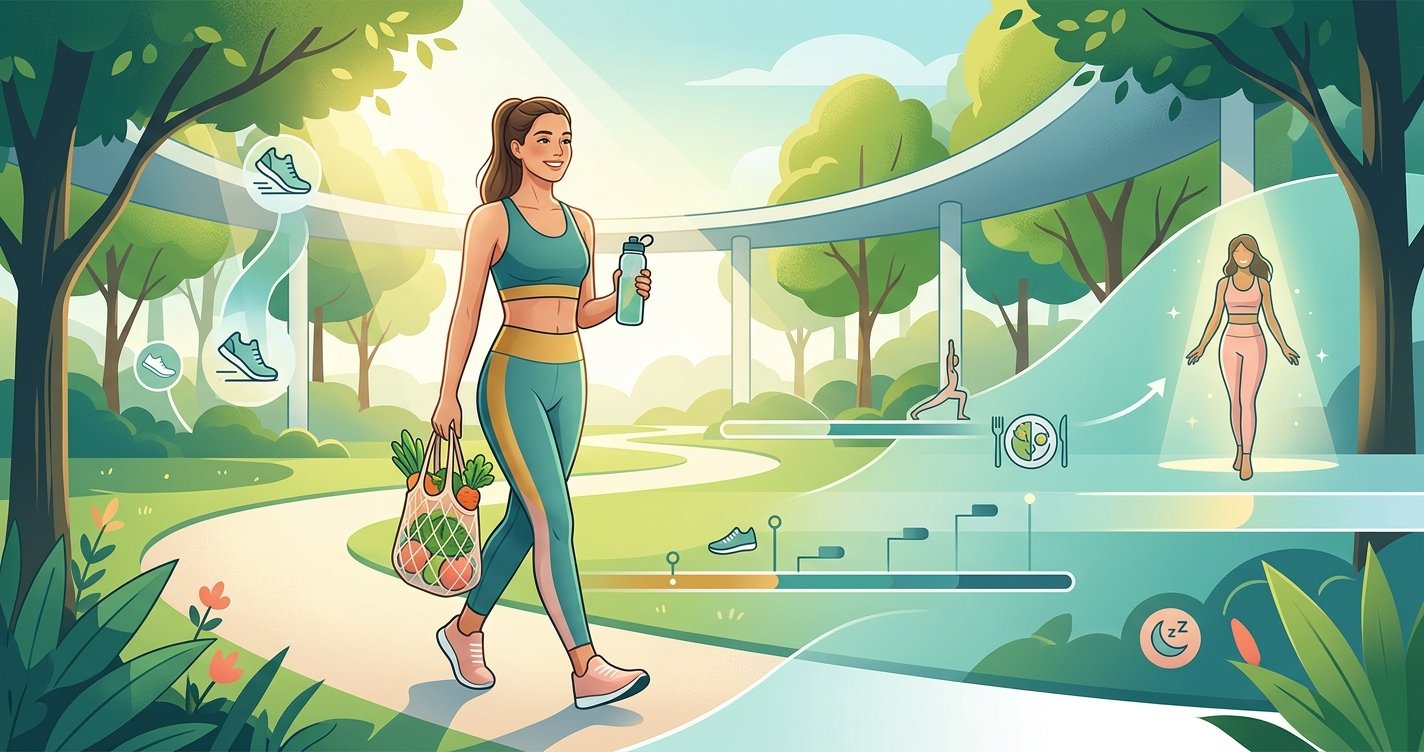
Are you tired of the endless cycle of crash diets, rapid weight loss, and then, inevitably, gaining it all back – sometimes even more? You’re not alone. In a world obsessed with instant gratification, the promise of a “quick fix” for fat loss is tempting. But here's the honest truth: sustainable fat loss isn't about deprivation or extreme measures; it's about building healthy, consistent habits that you can maintain for life. This isn't just about losing weight; it's about transforming your relationship with food, your body, and your overall well-being. Let's explore how to achieve lasting results, backed by science, with a friendly and encouraging approach.
The Pitfalls of Quick Fixes: Why They Fail (and Frustrate)
Many popular diets promise dramatic results in a short period. While you might see the scale drop initially, these methods often come with a high cost. They tend to be: this excellent wellness product
-
Extremely Restrictive:
Cutting out entire food groups or severely limiting calories often leads to nutrient deficiencies, cravings, and an unhealthy relationship with food. It's simply not enjoyable or sustainable long-term.
-
Metabolically Damaging:
When you drastically reduce calories, your body often perceives it as starvation. Your metabolism can slow down to conserve energy, making it harder to lose fat in the long run. When you inevitably return to normal eating, your body is primed to store fat more efficiently.
-
Mentally Exhausting:
The constant focus on what you can't eat, the hunger pangs, and the social isolation can take a huge toll on your mental health, often leading to rebound eating and feelings of failure.
-
Focused on the Scale, Not Health:
Quick fixes often lead to significant water weight loss, not true fat loss. This creates a false sense of progress and discouragement when the initial rapid drop stops.
The good news? There's a better, more effective, and much healthier way to achieve your fat loss goals and maintain them permanently.
Building Your Foundation: The Pillars of Sustainable Fat Loss
Sustainable fat loss is built on a few core, evidence-based principles. These aren't secret tricks; they're fundamental habits that work.
1. Calorie Deficit: The Non-Negotiable Truth (Made Simple)
To lose fat, you must consume fewer calories than your body burns. This is the first law of thermodynamics and cannot be bypassed. However, a calorie deficit doesn't mean starvation! It means creating a modest, manageable deficit (e.g., 300-500 calories below maintenance) that allows for steady, sustainable fat loss (typically 1-2 pounds per week) without extreme hunger or metabolic slowdown.
- Actionable Tip: Use an online calculator to estimate your maintenance calories, then subtract 300-500. Track your intake for a week or two to get a realistic understanding of your current eating habits.
2. Prioritizing Protein: Your Satiety & Muscle Ally
Protein is a powerhouse for fat loss. It's the most satiating macronutrient, meaning it keeps you feeling fuller for longer, reducing overall calorie intake. Furthermore, adequate protein intake helps preserve muscle mass during a calorie deficit, which is crucial because muscle burns more calories at rest than fat. Aim for 0.7-1 gram of protein per pound of body weight.
- Actionable Tip: Include a lean protein source (chicken breast, fish, eggs, Greek yogurt, lentils, tofu) with every meal and snack.
3. Embrace Whole Foods: Fueling Your Body Right
Focus on nutrient-dense, unprocessed foods. Think fruits, vegetables, lean proteins, whole grains, and healthy fats. These foods are packed with vitamins, minerals, and fiber, which support overall health, provide sustained energy, and contribute to satiety. They naturally make it easier to stay within your calorie goals without feeling deprived.
- Actionable Tip: Fill half your plate with vegetables at most meals. Swap refined grains for whole grains (e.g., brown rice instead of white, whole wheat bread).
Beyond the Plate: Lifestyle Factors That Matter Immensely
Fat loss isn't just about what you eat; it's a holistic process that involves your entire lifestyle.
4. Strength Training: Sculpt Your Body, Boost Your Metabolism
While cardio is great for burning calories, strength training is a game-changer for body composition. Building muscle increases your resting metabolic rate, meaning you burn more calories even when you're not exercising. It also helps you achieve a more toned, sculpted physique. Aim for 2-3 full-body strength training sessions per week.
- Actionable Tip: Start with bodyweight exercises if new to strength training, or join a gym and consider working with a trainer to learn proper form.
5. The Power of Sleep: Rest for Results
Lack of sleep can wreak havoc on your fat loss efforts. Poor sleep disrupts hormones that regulate appetite (ghrelin and leptin), leading to increased hunger and cravings, especially for high-calorie, sugary foods. It also affects insulin sensitivity and can elevate cortisol (the stress hormone), promoting fat storage.
- Actionable Tip: Aim for 7-9 hours of quality sleep per night. Establish a consistent sleep schedule, create a dark, cool sleep environment, and limit screen time before bed.
6. Stress Management: Taming the Cortisol Beast
Chronic stress elevates cortisol levels, which can promote fat storage, particularly around the abdominal area, and increase cravings. Finding healthy ways to manage stress is crucial for both mental well-being and fat loss.
- Actionable Tip: Incorporate stress-reducing activities into your daily routine: meditation, yoga, deep breathing exercises, spending time in nature, or engaging in hobbies you enjoy.
7. Hydration: Simple Yet Crucial
Drinking enough water is often overlooked but plays a vital role. Water helps with satiety, metabolism, nutrient transport, and can sometimes be confused with hunger signals. Staying well-hydrated can help you feel fuller and optimize bodily functions.
- Actionable Tip: Carry a water bottle with you and sip throughout the day. Aim for at least 8 glasses (around 2 liters) daily, more if you're active.
Cultivating a Healthy Mindset: The Long Game
Sustainable fat loss isn't just about physical changes; it's about a mental shift and cultivating patience.
8. Mindful Eating: Listen to Your Body
Instead of blindly following rules, practice mindful eating. Pay attention to your hunger and fullness cues. Eat slowly, savor your food, and notice how it makes you feel. This helps you avoid overeating and makes eating a more enjoyable experience.
- Actionable Tip: Before eating, ask yourself, “Am I truly hungry?” During your meal, put your fork down between bites and check in with your body.
9. Patience and Consistency: Your Best Friends
Fat loss is a journey, not a race. There will be plateaus, slips, and weeks where the scale doesn't move. The key is to remain consistent with your healthy habits and be patient. Celebrate small victories and understand that progress isn't always linear.
10. Focus on Habits, Not Just the Scale
While the scale can be a useful tool, it doesn't tell the whole story. Focus on the positive habits you're building: consistent workouts, nutritious meals, good sleep. These are the behaviors that lead to lasting change, regardless of the daily scale fluctuations.
11. Celebrate Non-Scale Victories
As you progress, notice the non-scale victories: clothes fitting better, increased energy, improved mood, better sleep, stronger workouts. These are powerful indicators of true progress and motivation to keep going.
Practical Tips for Getting Started (and Staying On Track)
- Set Realistic Goals: Aim for 1-2 pounds of fat loss per week. This rate is sustainable and allows your body to adapt.
- Meal Prep Smart: Dedicate a few hours each week to planning and preparing healthy meals and snacks. This reduces decision fatigue and helps you stick to your plan when busy.
- Find Enjoyable Exercise: Don't force yourself to do workouts you hate. Find activities you genuinely enjoy, whether it's dancing, hiking, cycling, or team sports. You're more likely to stick with it.
- Seek Support: Share your goals with a supportive friend, family member, or join an online community. Accountability can be a powerful motivator.
- Be Kind to Yourself: Perfection is impossible. If you have an off day or an indulgent meal, don't throw in the towel. Acknowledge it, learn from it, and get back on track with your next meal or workout.
Embrace the Journey to Sustainable Fat Loss
Moving away from quick fixes and embracing a sustainable approach to fat loss is perhaps the most empowering decision you can make for your health. It's about building a lifestyle that nourishes your body, strengthens your mind, and brings you lasting results. It won't always be easy, but it will be incredibly rewarding. Remember, every healthy choice you make is a step towards a stronger, healthier, and happier you. Start today, be patient, and trust the process. Your future self will thank you!