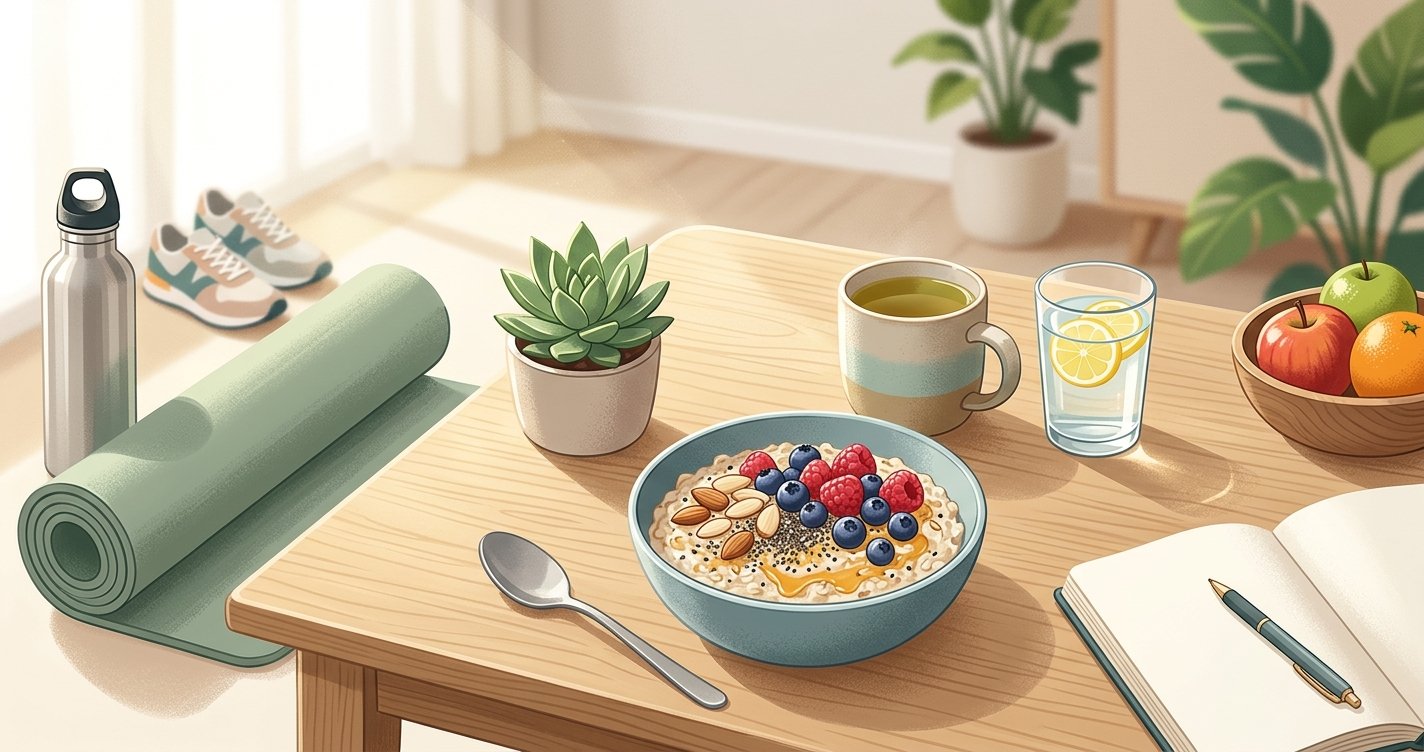
Are you tired of the endless cycle of restrictive diets and intense workouts that promise rapid fat loss, only to leave you feeling defeated and heavier than before? You're not alone. The truth is, sustainable fat loss isn't about deprivation or extreme measures; it's about cultivating healthy habits that you can maintain for life. This isn't a sprint; it's a marathon, and the good news is you don't have to run it alone. Let's explore an evidence-based, friendly, and encouraging path to achieving your fat loss goals and maintaining them for the long haul.
The Foundation: Understanding Energy Balance (Calorie Deficit)
At its core, fat loss boils down to one fundamental principle: consuming fewer calories than your body expends. This is known as creating a 'calorie deficit.' While it sounds simple, many factors influence it, and it's often oversimplified. Your body constantly burns calories for basic functions (breathing, circulation), digestion, and physical activity. To lose fat, you need to provide your body with slightly less energy than it needs, forcing it to tap into its stored fat reserves. this excellent wellness product
How to Create a Sustainable Deficit
Instead of drastic cuts that leave you hungry and deprived, aim for a moderate deficit of 300-500 calories per day. This typically translates to a healthy and sustainable fat loss rate of 1-2 pounds per week. You can achieve this by making smarter food choices, increasing your activity levels, or a combination of both. Remember, consistency trumps intensity when it comes to long-term success. Tools like online calculators can help estimate your daily calorie needs, but listening to your body and tracking your intake for a short period can provide valuable insights.
Fueling Your Body: Nutrition for Lasting Results
What you eat plays a monumental role in sustainable fat loss. It's not just about calories; it's about nutrient density, satiety, and supporting your body's functions. Focus on whole, unprocessed foods that nourish you from the inside out.
The Power of Protein
Protein is your best friend for fat loss. Research consistently shows that a higher protein intake helps preserve muscle mass during a calorie deficit, increases satiety (keeping you feeling full longer), and has a higher thermic effect (meaning your body burns more calories digesting it). Aim for a protein source at every meal, such as lean meats, poultry, fish, eggs, dairy, legumes, or tofu.
Don't Fear Healthy Fats
While fats are calorie-dense, healthy fats are crucial for hormone production, nutrient absorption, and satiety. Include sources like avocados, nuts, seeds, olive oil, and fatty fish in moderation. They help keep you feeling satisfied and prevent cravings for less healthy options.
The Role of Fiber and Carbohydrates
Complex carbohydrates, rich in fiber, are essential for energy and digestive health. Think whole grains, fruits, and vegetables. Fiber adds bulk to your meals, promoting fullness and aiding in blood sugar control, which can prevent energy crashes and subsequent cravings. Limit refined sugars and highly processed carbohydrates, as these offer little nutritional value and can contribute to energy spikes and crashes.
Mindful Eating Practices
Beyond what you eat, how you eat matters. Practice mindful eating by slowing down, savoring your food, and paying attention to your body's hunger and fullness cues. Avoid distractions like screens, and truly enjoy your meals. This can help prevent overeating and improve digestion.
Move Your Body: Exercise Strategies for Fat Loss
While diet is paramount, incorporating regular physical activity significantly boosts your fat loss journey and overall health. It helps burn calories, build muscle, improve mood, and enhance metabolic health.
Embrace Strength Training
Don't skip the weights! Strength training is incredibly effective for fat loss. Building and maintaining muscle mass is crucial because muscle tissue burns more calories at rest than fat tissue. This means a more muscular body has a higher resting metabolism, making it easier to maintain a calorie deficit and sustain fat loss. Aim for 2-3 full-body strength training sessions per week.
Cardio: Find Your Rhythm
Cardiovascular exercise, like brisk walking, jogging, cycling, or swimming, is excellent for burning calories and improving heart health. Find activities you enjoy and aim for at least 150 minutes of moderate-intensity cardio per week. High-intensity interval training (HIIT) can also be effective for shorter, more intense bursts of calorie burning and metabolic boost.
The Importance of NEAT (Non-Exercise Activity Thermogenesis)
Beyond structured workouts, increasing your NEAT – the calories you burn from everyday activities that aren't formal exercise – can make a big difference. Take the stairs, park further away, walk during phone calls, or stand more often. These small movements add up throughout the day and contribute significantly to your overall energy expenditure.
Beyond Diet & Exercise: The Unsung Heroes of Fat Loss
Sustainable fat loss isn't solely about food and movement; it's a holistic endeavor that includes crucial lifestyle factors often overlooked.
Prioritize Quality Sleep
Lack of sleep can sabotage your fat loss efforts. When you're sleep-deprived, your body produces more ghrelin (a hunger-stimulating hormone) and less leptin (a satiety hormone), leading to increased cravings, especially for high-calorie foods. Aim for 7-9 hours of quality sleep per night to support hormone balance, recovery, and overall well-being. Create a consistent sleep schedule and a relaxing bedtime routine.
Master Stress, Master Fat Loss
Chronic stress triggers the release of cortisol, a hormone that can promote fat storage, particularly around the abdomen. Stress can also lead to emotional eating and hinder your ability to stick to healthy habits. Incorporate stress-reducing activities into your daily routine, such as meditation, yoga, deep breathing exercises, spending time in nature, or engaging in hobbies you love. Managing stress is not a luxury; it's a necessity for sustainable health and fat loss.
Cultivating a Sustainable Mindset
Your mental approach is just as vital as your physical actions when it comes to long-term fat loss. It's about building resilience, patience, and self-compassion.
Set Realistic Expectations
Understand that fat loss is not linear. There will be plateaus and fluctuations. Focus on progress, not perfection. Realistic goals keep you motivated and prevent burnout. Celebrate small victories along the way.
Embrace Consistency, Not Perfection
You don't need to be perfect 100% of the time. What matters most is consistency over the long run. If you have an off day or a challenging meal, don't throw in the towel. Acknowledge it, learn from it, and get back on track with your next meal or workout. This flexible approach is key to sustainability.
Celebrate Small Wins
Acknowledge and celebrate every positive change, no matter how small. Did you drink more water today? Did you choose an apple over a cookie? Did you walk an extra block? These small wins build momentum and reinforce positive behaviors, making the journey feel more rewarding.
Seek Support and Accountability
You don't have to navigate this journey alone. Share your goals with a supportive friend, family member, or join a community. Consider working with a registered dietitian or certified personal trainer for personalized guidance and accountability. Having a support system can make a significant difference in staying motivated and overcoming challenges.
Your Journey to Lasting Change
Sustainable fat loss is a journey of self-discovery, patience, and consistent effort. It's about making peace with your body, nourishing it with wholesome foods, moving it joyfully, and prioritizing your overall well-being. By focusing on energy balance, nutrient-rich nutrition, varied exercise, quality sleep, stress management, and a positive mindset, you're not just losing weight; you're building a healthier, happier, and more vibrant life. Embrace the process, be kind to yourself, and celebrate every step forward. Your long-term success isn't just possible; it's within your reach.