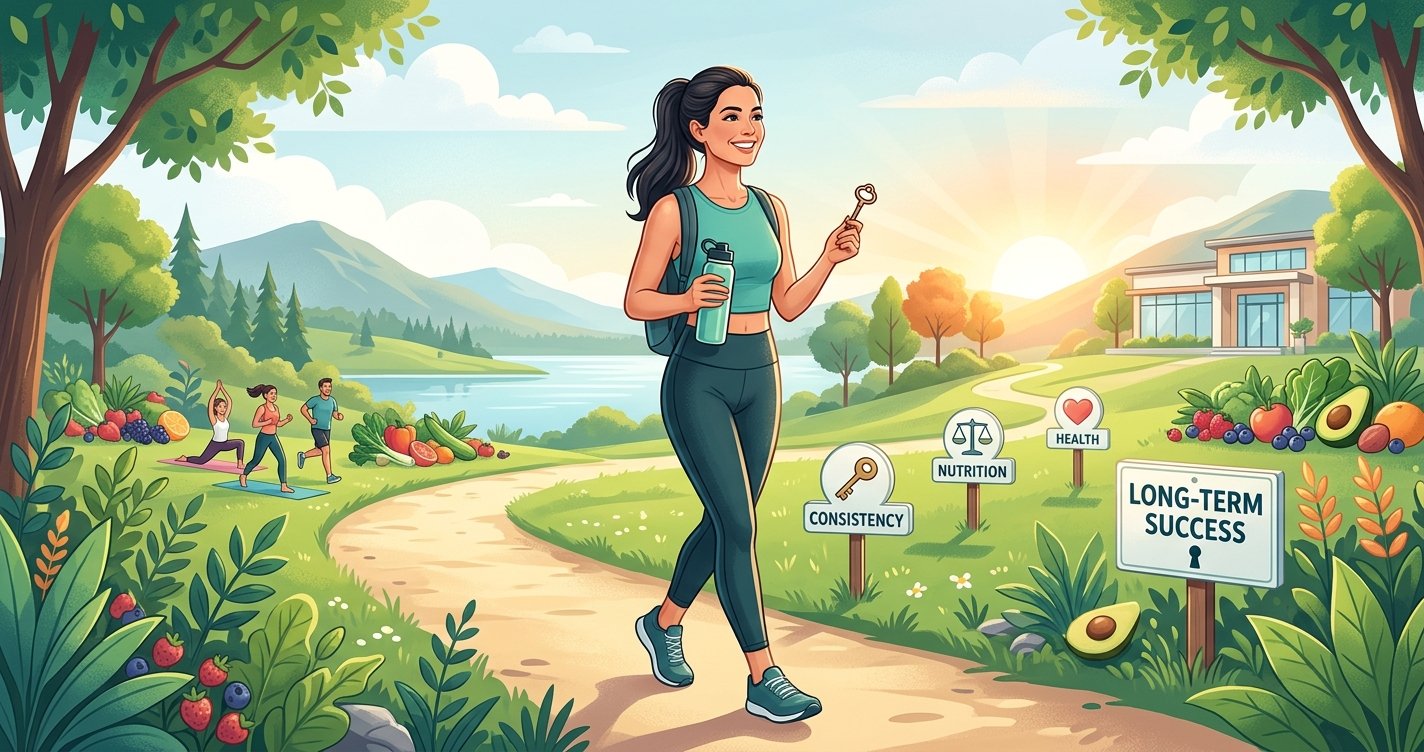
Are you tired of the endless cycle of crash diets, quick fixes, and the inevitable rebound? You're not alone. The journey to fat loss can often feel like a frustrating rollercoaster, filled with promises of rapid results that rarely last. But what if there was a different, more empowering path? One that focuses not on deprivation, but on building sustainable habits that lead to lasting change and a healthier, happier you?
Welcome to the world of sustainable fat loss. This isn't about magic pills or extreme restrictions; it's about understanding your body, making informed choices, and fostering consistency over perfection. It’s a marathon, not a sprint, and the good news is you have everything you need to succeed. Let's explore the evidence-based strategies that will help you achieve your goals and maintain them for life. this excellent wellness product
The Foundation: Understanding Energy Balance for Lasting Results
At its core, fat loss boils down to one fundamental principle: energy balance. To lose fat, you need to consume fewer calories than your body burns. This creates a 'calorie deficit.' While it sounds simple, the nuance lies in how we achieve this deficit in a healthy, sustainable way without feeling deprived or compromising our metabolism.
The Calorie Deficit Explained
Your body constantly burns calories to power everything from breathing to thinking, and especially physical activity. This is your Total Daily Energy Expenditure (TDEE). When your calorie intake is consistently lower than your TDEE, your body starts to tap into its stored energy reserves – primarily body fat – to make up the difference. The key is to create a moderate deficit (typically 300-500 calories below your TDEE) that allows for steady, healthy fat loss (around 1-2 pounds per week) without triggering extreme hunger or metabolic slowdowns often associated with very low-calorie diets.
Nutrition for Lasting Results: Beyond Restriction
When it comes to fat loss, nutrition is paramount. But instead of focusing on what you can't eat, let's shift our perspective to what you can eat to fuel your body, satisfy your hunger, and support your goals.
Prioritize Protein: Your Satiety Ally
Protein is an absolute superstar for fat loss. It's the most satiating macronutrient, meaning it keeps you feeling fuller for longer, which naturally helps reduce overall calorie intake. Furthermore, protein has a higher thermic effect of food (TEF) – your body burns more calories digesting protein than fats or carbohydrates. It also helps preserve precious muscle mass during a calorie deficit, which is crucial for maintaining a healthy metabolism. Aim for a lean protein source with every meal, such as chicken breast, fish, lean beef, eggs, Greek yogurt, or plant-based options like lentils and tofu.
Embrace Fiber-Rich Foods: Fullness and Gut Health
Fiber is another powerful tool in your fat loss arsenal. Found abundantly in fruits, vegetables, whole grains, and legumes, fiber adds bulk to your meals without adding many calories. This bulk helps you feel full and satisfied, slowing down digestion and regulating blood sugar levels. Beyond satiety, fiber is vital for gut health, feeding beneficial gut bacteria which can indirectly influence metabolism and weight management. Make it a goal to fill half your plate with colorful vegetables at every meal.
Healthy Fats: Essential and Satisfying
Don't fear fats! While calorie-dense, healthy fats are essential for hormone production, nutrient absorption, and overall health. They also contribute to satiety, making your meals more enjoyable and preventing cravings. Focus on unsaturated fats found in avocados, nuts, seeds, olive oil, and fatty fish like salmon. Incorporate them in moderation to balance your meals and provide sustained energy.
Mindful Eating: Reconnecting with Your Body
Beyond what you eat, how you eat plays a huge role in sustainable fat loss. Mindful eating involves paying attention to your body's hunger and fullness cues, savoring your food, and eating without distraction. This practice can help prevent overeating, improve digestion, and foster a healthier relationship with food. Take your time, chew slowly, and truly taste your meals.
Movement That Matters: Beyond the Treadmill
While nutrition is king, movement is your powerful queen in the realm of fat loss. It burns calories, builds muscle, improves mood, and boosts overall health. The best exercise for you is the one you enjoy and can stick with consistently.
The Power of Strength Training
If you're not already lifting weights, now's the time to start! Strength training is incredibly effective for fat loss because it builds muscle. More muscle mass means a higher resting metabolic rate, meaning your body burns more calories even when you're at rest. It also sculpts your body, leading to a more toned and defined physique. Aim for 2-3 full-body strength training sessions per week.
Incorporating Cardio for Heart Health and Calorie Burn
Cardiovascular exercise, like brisk walking, jogging, cycling, or swimming, is excellent for burning calories and improving heart health. It can be a great way to increase your daily energy expenditure and contribute to your calorie deficit. Find activities you genuinely enjoy to make it a sustainable part of your routine. Even short bursts of high-intensity interval training (HIIT) can be highly effective.
NEAT: The Unsung Hero of Daily Activity
NEAT, or Non-Exercise Activity Thermogenesis, refers to all the calories you burn from activities that aren't formal exercise – walking, standing, fidgeting, taking the stairs. These small movements add up significantly over the course of a day and can have a profound impact on your overall calorie burn. Look for opportunities to move more throughout your day: take walking breaks, stand at your desk, or park further away.
The Often-Overlooked Pillars: Sleep and Stress Management
You can eat perfectly and exercise diligently, but if you neglect sleep and stress, your fat loss efforts will be an uphill battle. These often-underestimated factors have a huge impact on your hormones, cravings, and energy levels.
Quality Sleep: Your Metabolic Recharge
Sleep deprivation throws your hunger hormones out of whack. It increases ghrelin (the hunger hormone) and decreases leptin (the satiety hormone), leading to increased appetite and cravings, especially for high-calorie, sugary foods. Poor sleep also impacts insulin sensitivity and can elevate cortisol, making fat loss more challenging. Aim for 7-9 hours of quality sleep per night to optimize your body's ability to burn fat.
Taming Stress: The Cortisol Connection
Chronic stress triggers the release of cortisol, often called the 'stress hormone.' Elevated cortisol levels can promote fat storage, particularly around the abdominal area, and increase cravings for comfort foods. Finding healthy ways to manage stress – whether through meditation, yoga, spending time in nature, or hobbies – is crucial for sustainable fat loss and overall well-being. Prioritize self-care as much as you prioritize your workouts.
Building Sustainable Habits: Consistency Over Perfection
The secret to sustainable fat loss isn't finding the perfect diet or exercise plan; it's about finding habits you can stick with for the long haul. Here's how to foster that consistency:
- Set Realistic Goals: Instead of aiming to lose 20 pounds in a month, focus on smaller, achievable weekly goals.
- Track Progress (Beyond the Scale): The scale is just one metric. Also, pay attention to how your clothes fit, your energy levels, strength gains, and overall mood.
- Seek Support and Be Patient: Surround yourself with supportive people. Understand that plateaus are normal, and progress isn't always linear. Be kind to yourself and celebrate small victories.
- Learn to Adjust: Life happens. If you go off track, don't throw in the towel. Simply get back to your healthy habits at the next opportunity.
Your Journey to Lasting Change Begins Now
Sustainable fat loss isn't a destination; it's a lifelong journey of self-discovery and continuous improvement. By focusing on energy balance, nourishing your body with nutrient-dense foods, embracing consistent movement, prioritizing sleep, and managing stress, you're not just losing weight – you're building a foundation for a healthier, more vibrant life. Ditch the quick fixes and embrace the power of sustainable habits. Your future self will thank you for it.