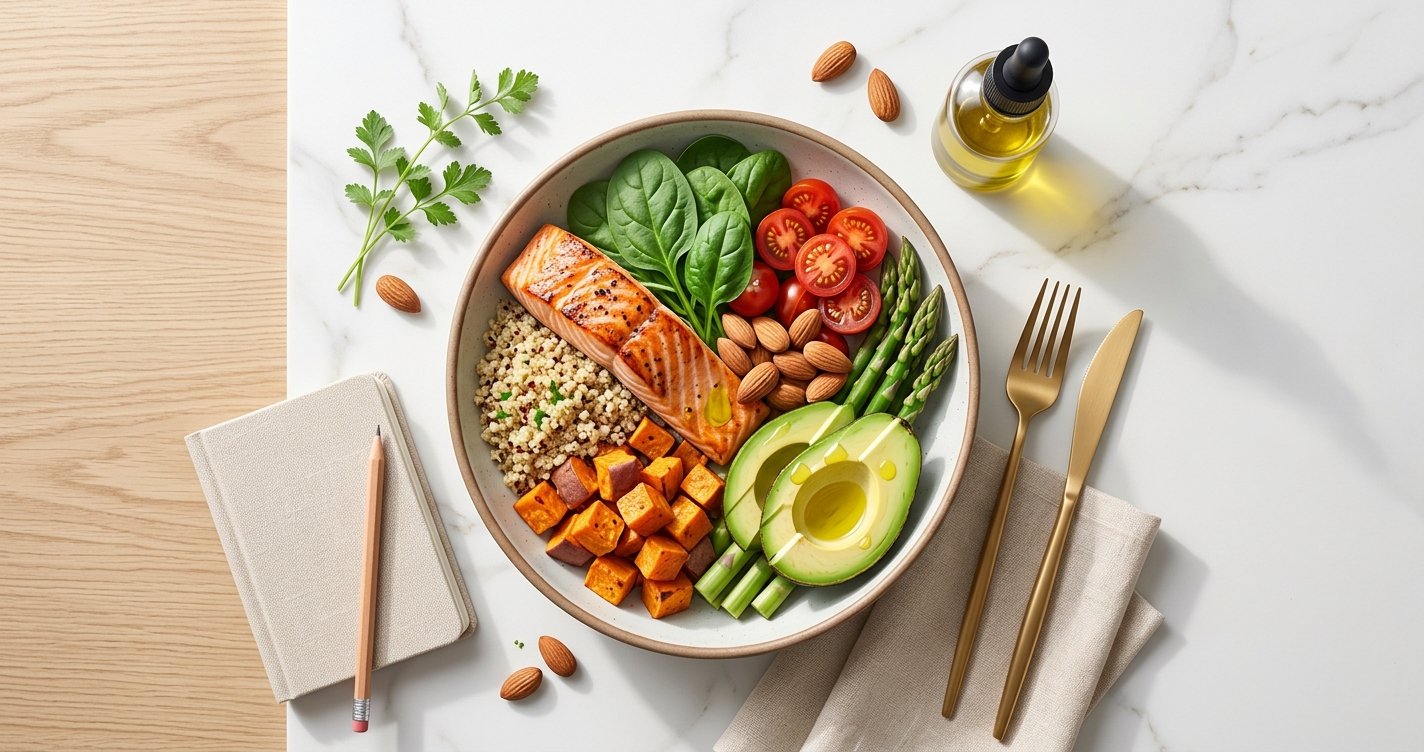
Are you tired of the endless cycle of restrictive diets, quick fixes, and disappointing rebounds? If you've been on a quest for lasting fat loss, you've likely encountered countless fads promising rapid results. But what if the secret to shedding fat for good wasn't about deprivation, but about understanding your body's fundamental needs and fueling it intelligently? Welcome to the world of sustainable fat loss, where smart nutrition, rooted in macronutrient balance and calorie awareness, empowers you to achieve your goals without sacrificing your well-being.
Why Fad Diets Fail: The Case for Sustainability
The allure of rapid weight loss is undeniable, but the reality of most fad diets is often a rollercoaster of initial success followed by inevitable regain. These diets typically involve extreme calorie restriction, elimination of entire food groups, or reliance on specific 'magic' foods. While they might deliver quick results on the scale, they rarely teach you sustainable eating habits. More often than not, they lead to nutrient deficiencies, metabolic slowdown, intense cravings, and a damaged relationship with food. Sustainable fat loss, however, is about creating a lifestyle you can maintain indefinitely, focusing on nourishing your body, preserving muscle, and fostering a healthy metabolism. this excellent wellness product
The core principle here is simple: if you can't see yourself eating this way for the rest of your life, it's not sustainable. True success comes from adopting flexible, evidence-based strategies that fit into your life, not dictate it.
The Unsung Hero: Understanding Your Calorie Deficit
At the heart of all fat loss is a fundamental principle: the calorie deficit. Simply put, to lose fat, you must consume fewer calories than your body expends. Your body then taps into its stored energy (fat) to make up the difference. It's not about starving yourself, but about finding the 'sweet spot' where you're consuming enough to feel satisfied and energized, yet slightly less than what your body needs to maintain its current weight.
How do you find this sweet spot? It starts with estimating your Total Daily Energy Expenditure (TDEE), which is the total number of calories your body burns in a day through basic metabolic functions, physical activity, and food digestion. Online calculators can provide a good starting estimate, but remember they are just that – estimates. A safe and effective calorie deficit for sustainable fat loss is typically around 300-500 calories below your TDEE. This allows for consistent fat loss (roughly 0.5-1 pound per week) without causing extreme hunger or metabolic adaptations that hinder progress.
Monitoring your intake and adjusting as needed, based on your progress and how you feel, is key. Remember, a calorie is not just a calorie; the source of those calories profoundly impacts your satiety, energy levels, and overall health.
Macronutrients: Your Building Blocks for Fat Loss
Once you understand the concept of a calorie deficit, the next crucial step is optimizing the *composition* of those calories. This is where macronutrients come in. Macronutrients – protein, carbohydrates, and fats – are the three main components of food that your body needs in large amounts for energy, growth, and repair. Balancing them correctly is paramount for effective, sustainable fat loss.
Protein: The Satiety and Muscle Preserver
Protein is arguably the most vital macronutrient for fat loss. It's highly satiating, meaning it keeps you feeling fuller for longer, which naturally helps reduce overall calorie intake. More importantly, protein is essential for preserving lean muscle mass, especially when you're in a calorie deficit. Losing muscle along with fat is counterproductive, as muscle burns more calories at rest and contributes to a healthy, toned physique. Aim for a higher protein intake, generally 0.7-1 gram per pound of body weight, to maximize its benefits.
- Excellent Sources: Lean meats (chicken, turkey, beef), fish, eggs, dairy (Greek yogurt, cottage cheese), legumes (lentils, beans), tofu, tempeh, protein powder.
Carbohydrates: Fuel for Your Body and Brain
Carbohydrates have often been demonized in diet culture, but they are your body's primary and preferred source of energy. The key is to choose the right kind. Complex carbohydrates, rich in fiber, provide sustained energy, aid digestion, and contribute to satiety. Simple carbohydrates, found in sugary drinks and processed foods, offer quick energy but often lead to energy crashes and increased hunger.
- Excellent Sources: Whole grains (oats, brown rice, quinoa, whole-wheat bread), fruits, vegetables (especially fibrous ones like broccoli, spinach), sweet potatoes, beans.
Fats: Essential for Hormones and Health
Dietary fats are crucial for hormone production, nutrient absorption, and overall cellular function. Despite their high-calorie density, healthy fats are essential and should not be severely restricted. They also contribute to satiety and make meals more enjoyable. Focus on unsaturated fats and limit saturated and trans fats.
- Excellent Sources: Avocados, nuts (almonds, walnuts), seeds (chia, flax, hemp), olive oil, fatty fish (salmon, mackerel).
Crafting Your Plate: Balancing Macros for Success
So, how do you put this all together? While specific ratios can vary based on individual needs, activity levels, and preferences, a common starting point for fat loss often emphasizes protein, with moderate amounts of healthy fats and complex carbohydrates. For example, a common approach might be 30-40% protein, 30-40% carbohydrates, and 20-30% fats. However, these are general guidelines, not rigid rules.
The beauty of macronutrient awareness is its flexibility. You learn to make informed choices rather than blindly following a meal plan. Focus on making each meal a balanced one:
- Prioritize Protein: Include a lean protein source in every meal.
- Load Up on Veggies: Fill half your plate with non-starchy vegetables for fiber and micronutrients.
- Smart Carbs: Add a fist-sized portion of complex carbohydrates.
- Healthy Fats: Incorporate a thumb-sized portion of healthy fats.
This approach allows for variety and ensures you're getting a wide range of nutrients while staying within your calorie goals.
Beyond the Macros: The Holistic Approach to Sustainable Fat Loss
While calorie awareness and macronutrient balance are foundational, sustainable fat loss is a multi-faceted journey that extends beyond just food. Integrating other healthy habits significantly amplifies your results and improves your overall well-being.
The Role of Fiber and Water
Fiber, primarily found in complex carbs, is a non-negotiable for fat loss. It boosts satiety, aids digestion, and helps regulate blood sugar. Water, often overlooked, is equally crucial. Staying hydrated supports metabolism, helps distinguish thirst from hunger, and aids in nutrient transport.
Sleep, Stress, and Hormones
Poor sleep and chronic stress can wreak havoc on your fat loss efforts. They elevate cortisol levels, a stress hormone that can promote fat storage (especially around the midsection) and increase cravings for unhealthy foods. Prioritizing 7-9 hours of quality sleep and finding effective stress management techniques (meditation, walks, hobbies) are vital components of a successful fat loss strategy.
The Power of Mindful Eating
Mindful eating involves paying attention to your food, recognizing hunger and fullness cues, and understanding emotional triggers for eating. Slowing down, savoring your meals, and eating without distractions can significantly improve your relationship with food and prevent overeating.
Incorporating Movement
While diet is paramount for fat loss, physical activity complements it perfectly. Strength training helps preserve and build muscle mass, which boosts your metabolism. Cardiovascular exercise improves heart health and burns additional calories. Find activities you enjoy to ensure consistency – whether it's lifting weights, dancing, hiking, or cycling.
Tracking Progress and Staying Motivated
Sustainable fat loss isn't a linear journey. There will be plateaus and minor setbacks. The key is consistent effort and intelligent adjustments. Don't rely solely on the scale; track non-scale victories like increased energy, improved mood, better fitting clothes, and strength gains. Regularly assess your progress, and if you hit a plateau, consider slightly adjusting your calorie intake or macronutrient distribution. Most importantly, be patient and kind to yourself. This is a lifestyle transformation, not a race.
Embracing macronutrient balance and calorie awareness is more than just a diet; it's an education in how your body works and how to fuel it optimally. By understanding these fundamental principles, you empower yourself to make intelligent food choices, achieve sustainable fat loss, and cultivate a healthier, happier you for the long run. Say goodbye to deprivation and hello to a balanced, empowered approach to your health goals!