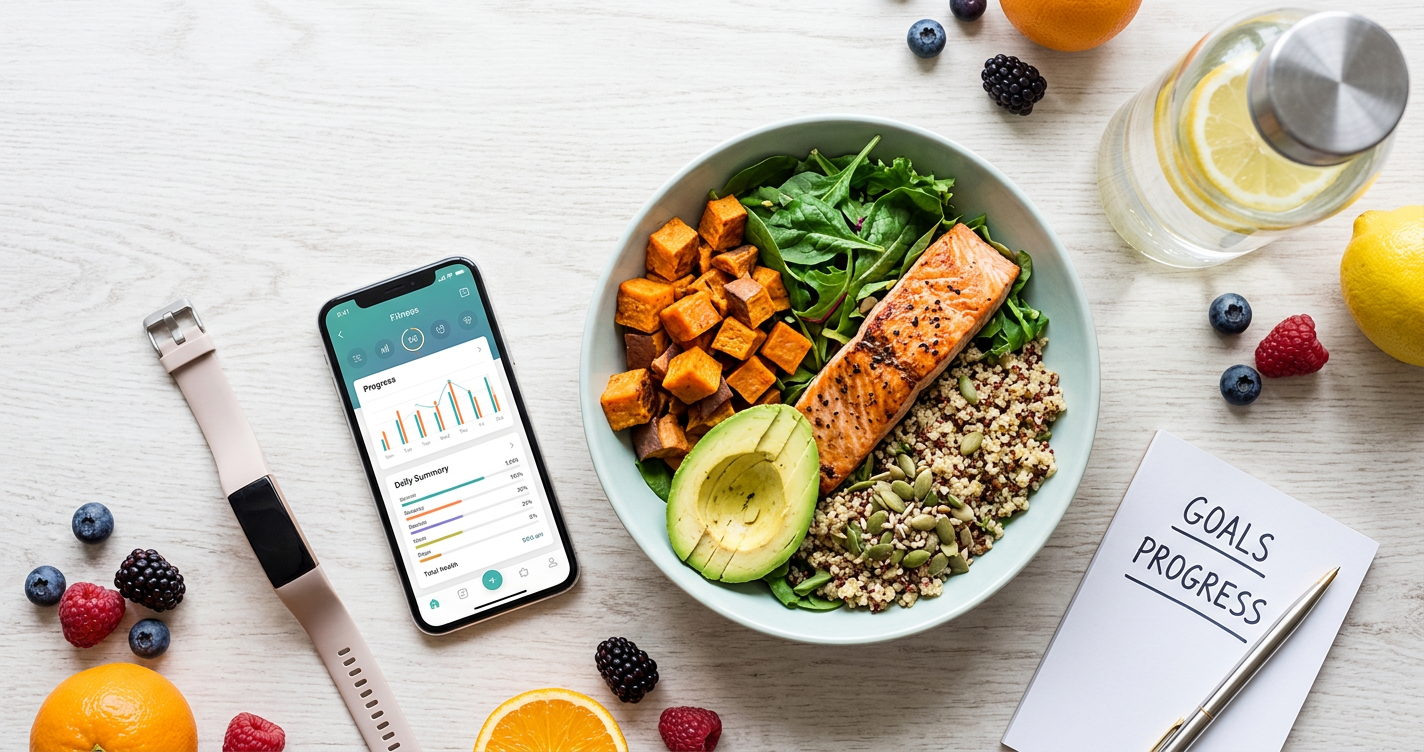
Tired of the Yo-Yo Dieting Cycle? Discover Lasting Fat Loss!
Many of us have been there: trying the latest fad diet, seeing quick results, only to gain the weight back (and sometimes more!) once we stop. It’s frustrating, demotivating, and often leaves us feeling like sustainable fat loss is an impossible dream. But what if we told you there’s a proven, evidence-based path to lasting results that doesn’t involve extreme deprivation or endless hours at the gym?
The secret lies in understanding and mastering the sustainable calorie deficit. It's not about starvation; it's about smart choices, consistency, and a healthy relationship with food that helps your body gently tap into its fat stores. In this friendly guide, we’ll break down exactly what a calorie deficit is, why sustainability is your magic word, and how you can implement practical strategies to achieve your fat loss goals for good. this excellent wellness product
What Exactly is a Calorie Deficit, Anyway?
Let's start with the basics. At its core, fat loss boils down to a simple principle: energy balance. Your body needs a certain amount of energy (measured in calories) to perform all its daily functions, from breathing and thinking to walking and exercising. This is your body's 'maintenance' level.
A calorie deficit occurs when you consistently consume fewer calories than your body expends over a period of time. When this happens, your body, being incredibly efficient, turns to its stored energy reserves – primarily body fat – to make up the difference. This process is what leads to fat loss.
Think of your body like a car. If you put in less fuel than you burn on a trip, your fuel tank will gradually empty. In the context of your body, that 'emptying' means shedding stored body fat. It's a fundamental biological law, and understanding it is your first step towards taking control of your fat loss journey.
Why "Sustainable" is the Magic Word for Long-Term Success
While creating a calorie deficit is essential for fat loss, the *way* you create it makes all the difference. This is where "sustainability" comes in. Many crash diets promise rapid weight loss by creating massive calorie deficits, often leading to:
- Extreme Hunger and Cravings: Making it incredibly difficult to stick to the plan.
- Muscle Loss: Your body might break down precious muscle tissue for energy, not just fat.
- Metabolic Slowdown: Your metabolism can adapt by burning fewer calories, making future fat loss harder.
- Nutrient Deficiencies: Restrictive diets often lack essential vitamins and minerals.
- Rebound Weight Gain: Once the diet ends, old habits return, and the weight often comes back, sometimes with extra.
A sustainable calorie deficit, on the other hand, is moderate and manageable. It prioritizes a slow, steady rate of fat loss (typically 1-2 pounds per week), allowing your body to adapt without feeling deprived or going into "survival mode." This approach helps you preserve muscle, maintain a healthy metabolism, and build habits that you can stick with for life – leading to lasting results and a healthier, happier you.
How to Calculate Your Sustainable Calorie Deficit
Calculating your ideal calorie deficit doesn't have to be complicated. It's about finding a starting point and then listening to your body. Remember, these are estimates, and individual needs vary!
Step 1: Estimate Your Maintenance Calories (TDEE)
Your Total Daily Energy Expenditure (TDEE) is the total number of calories your body burns in a day, considering your Basal Metabolic Rate (BMR – calories burned at rest) plus the energy expended through physical activity. Online TDEE calculators are a great starting point. You'll input your age, gender, height, weight, and activity level.
Quick Tip: Search for "TDEE calculator" online. Use a few different ones and take an average to get a more reliable estimate.
Step 2: Create a Moderate Deficit
Once you have your estimated TDEE, you'll subtract a moderate number of calories to create your deficit. For sustainable fat loss, aiming for a deficit of 300-500 calories per day is generally recommended. This typically results in a healthy fat loss rate of 0.5 to 1 pound per week (since 3,500 calories roughly equals one pound of fat).
- Example: If your TDEE is 2,200 calories, a 400-calorie deficit would mean aiming for 1,800 calories per day.
Why not more? A larger deficit might seem appealing for faster results, but it significantly increases the risk of the downsides we discussed earlier (hunger, muscle loss, metabolic slowdown). Slow and steady truly wins the race here.
Practical Strategies for Achieving Your Calorie Deficit (Without Feeling Deprived!)
Now that you know your target, how do you actually hit it without feeling like you're constantly fighting hunger? It's all about smart food choices and lifestyle tweaks.
Prioritize Protein and Fiber
These two nutrients are your best friends for satiety. Protein helps preserve muscle mass during fat loss and keeps you feeling full longer. Fiber (found in fruits, vegetables, and whole grains) adds bulk to your meals, aiding digestion and enhancing fullness.
- Aim for: Lean meats, poultry, fish, eggs, Greek yogurt, legumes, lentils, plenty of non-starchy vegetables.
Smart Carb and Fat Choices
You don't need to cut out carbs or fats entirely! Focus on quality and portion control.
- Carbs: Choose complex carbohydrates like whole grains (oats, quinoa, brown rice), sweet potatoes, and fruits over refined sugars and white bread.
- Fats: Opt for healthy fats in moderation (avocado, nuts, seeds, olive oil). While essential, fats are calorie-dense, so watch your portions.
Hydration is Your Secret Weapon
Often overlooked, drinking plenty of water can significantly aid fat loss. Water can help you feel fuller, support metabolism, and sometimes, what feels like hunger is actually thirst.
- Tip: Drink a glass of water before each meal.
Mindful Eating Practices
Slow down! Pay attention to your food, savor each bite, and listen to your body's hunger and fullness cues. Avoid eating in front of screens, which can lead to overconsumption.
Move Your Body (Beyond Just Exercise)
While structured exercise is great, increasing your Non-Exercise Activity Thermogenesis (NEAT) can significantly boost your daily calorie expenditure. Think walking more, taking the stairs, standing while you work, or doing household chores.
Navigating Challenges and Staying Consistent
Your fat loss journey won't always be a straight line, and that's perfectly normal. Here's how to stay on track.
Plateaus are Normal
At some point, your progress might slow or stall. This is often because as you lose weight, your TDEE naturally decreases. Don't panic! Re-evaluate your calorie intake, slightly increase your activity, or consider a "diet break" (eating at maintenance for a week or two) to give your body and mind a refresh.
Listen to Your Body
Pay attention to your energy levels, mood, hunger, and sleep quality. If you're consistently exhausted, overly hungry, or irritable, your deficit might be too aggressive. Adjust your calories slightly upwards until you feel better.
The Role of Sleep and Stress Management
Poor sleep and high stress levels can wreak havoc on your fat loss efforts. They can disrupt hormones like ghrelin (which increases hunger) and leptin (which signals fullness), leading to increased cravings and fat storage.
- Aim for: 7-9 hours of quality sleep per night. Incorporate stress-reducing activities like meditation, yoga, or spending time in nature.
Be Patient and Kind to Yourself
This is a journey, not a sprint. There will be good days and challenging days. Don't let a single "off" meal or day derail your entire progress. Learn from it, adjust, and get back on track. Celebrate small victories and focus on building healthy habits for life.
The Long-Term Benefits: Beyond the Scale
While the numbers on the scale are a useful metric, sustainable fat loss offers so much more than just a lower weight. You'll likely experience:
- Increased energy levels and vitality
- Improved mood and mental clarity
- Better sleep quality
- Reduced risk of chronic diseases (heart disease, type 2 diabetes)
- Enhanced self-confidence and body image
- A healthier, more balanced relationship with food
These are the true lasting rewards of adopting a sustainable approach to your health.
Your Journey to Sustainable Fat Loss Starts Now!
Embracing a sustainable calorie deficit is about empowering yourself with knowledge and building habits that support your health and well-being for the long haul. It's not about quick fixes or harsh restrictions; it's about making informed choices that lead to gradual, consistent progress and a healthier, happier you.
Start small, stay consistent, and remember to be patient and kind to yourself throughout the process. You have the power to transform your health and achieve lasting fat loss. What small, sustainable change will you make today?