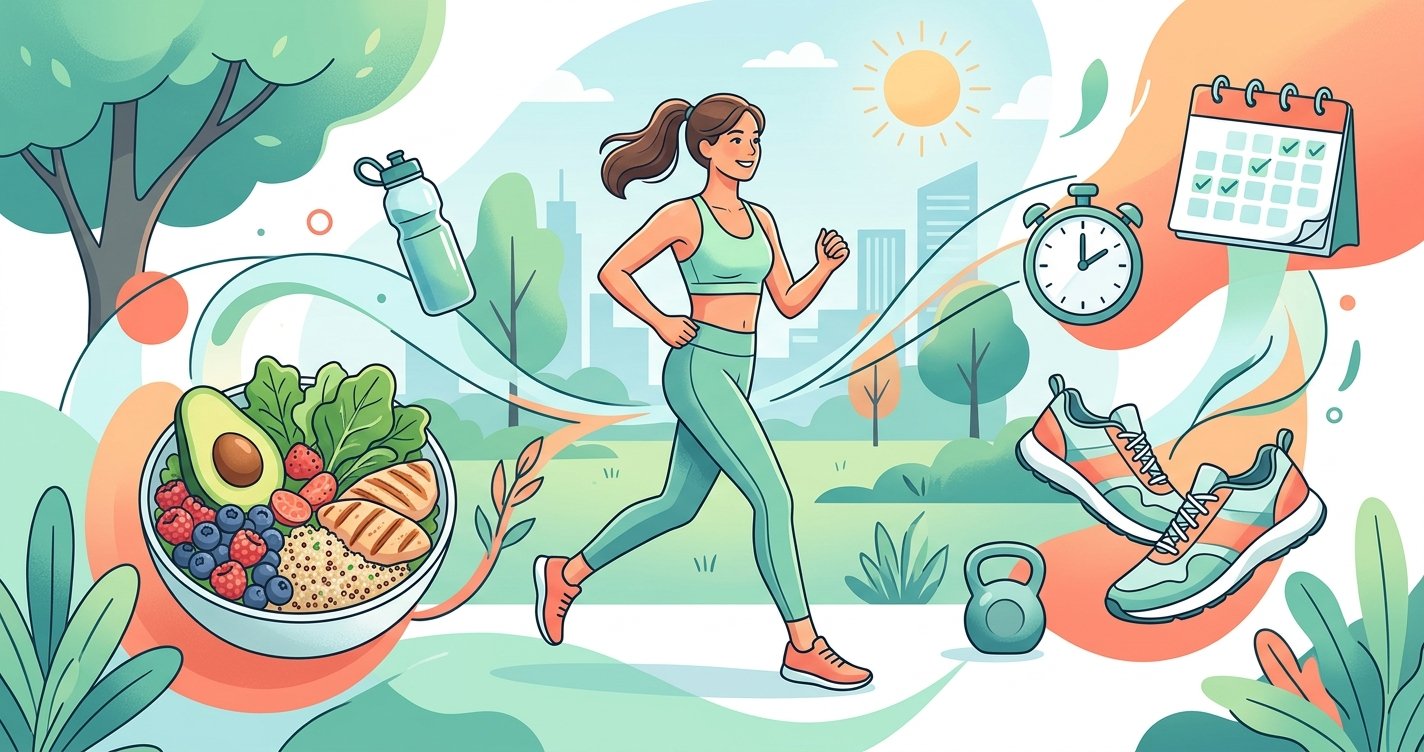
Ever feel like you’re stuck on a diet roller coaster? One week you’re restricting, the next you’re giving in to cravings, and the scale just keeps bouncing around? You’re not alone. Many people get caught in the trap of quick-fix diets that promise rapid results but rarely deliver sustainable fat loss. The truth is, genuine, lasting fat loss isn't about deprivation or extreme measures; it's about understanding and implementing a sustainable calorie deficit with a holistic approach.
Forget the fads and the frustration. This guide is your friendly, evidence-based blueprint to mastering the art of a calorie deficit, ensuring you lose fat effectively, keep it off, and build healthier habits for life. We’ll dive into what a calorie deficit truly means, how to create one that works for *your* body, and crucial strategies beyond just counting numbers to support your journey. Let's unlock the secret to sustainable weight loss together! this excellent wellness product
What Exactly is a Calorie Deficit (and Why It Matters)?
At its core, a calorie deficit is simple: you consume fewer calories than your body burns over a given period. Think of your body as a car. If you put in less fuel than you use to drive, the car eventually runs out. Similarly, if you feed your body fewer calories than it needs to perform all its daily functions (from breathing and thinking to exercising), it has to tap into its stored energy reserves – primarily fat – to make up the difference. This is the fundamental principle of fat loss.
This isn't just a theory; it's based on the first law of thermodynamics. Your body needs energy (calories) to function. If you create an energy imbalance where expenditure exceeds intake, your body must pull energy from its stored fat cells. There's no magic pill or secret hack that bypasses this biological reality. Understanding and embracing the calorie deficit is the non-negotiable starting point for any successful fat loss journey.
Beyond the Basics: Calculating Your Sustainable Deficit
While the concept is simple, putting it into practice requires a personalized approach. Your body is unique, and so are your energy needs.
Start with Your TDEE (Total Daily Energy Expenditure)
Your TDEE is an estimate of how many calories your body burns in a 24-hour period, taking into account your Basal Metabolic Rate (BMR – calories burned at rest), your activity level, and the thermic effect of food (calories burned digesting food). Online TDEE calculators are a great starting point. You'll input your age, gender, weight, height, and activity level. Remember, these are estimates, but they provide a solid foundation.
The "Sweet Spot" for a Deficit
Once you have an estimated TDEE, the next step is to create a deficit. For sustainable and healthy fat loss, aiming for a deficit of 300-500 calories below your TDEE is generally recommended. This typically translates to losing about 1-2 pounds of fat per week, which is considered a safe and sustainable rate. Why not more? An overly aggressive deficit can lead to:
- Muscle loss instead of just fat loss.
- Extreme hunger and cravings, making adherence nearly impossible.
- Nutrient deficiencies and energy crashes.
- Negative impacts on hormones and metabolism.
The goal is to create a deficit that is noticeable but not debilitating, allowing you to maintain energy levels and stick to your plan long-term.
Fueling Your Deficit: Smart Nutrition Strategies
A calorie deficit doesn't mean eating less food; it means eating smarter food. Prioritizing nutrient-dense options will help you feel full, energized, and satisfied even while consuming fewer calories.
Prioritize Protein
Protein is your best friend for fat loss. It's highly satiating, meaning it keeps you feeling fuller for longer, reducing the urge to snack. Crucially, protein helps preserve lean muscle mass during a calorie deficit, which is vital because muscle burns more calories at rest than fat. Aim for lean protein sources like chicken breast, turkey, fish, eggs, Greek yogurt, tofu, lentils, and beans at every meal.
Embrace Fiber-Rich Carbs
Forget the idea that all carbs are bad. Fiber-rich carbohydrates are essential for sustained energy, digestive health, and satiety. Foods like whole grains (oats, quinoa, brown rice), fruits, and a rainbow of vegetables provide volume and nutrients without excessive calories. They help stabilize blood sugar, preventing energy dips and intense cravings.
Don't Fear Healthy Fats
While fats are calorie-dense, healthy fats are crucial for hormone production, nutrient absorption, and overall health. They also contribute to satiety. Incorporate sources like avocados, nuts, seeds, olive oil, and fatty fish (salmon) in moderation. A small amount goes a long way in keeping you satisfied and supporting bodily functions.
Hydration is Key
Often overlooked, adequate water intake is vital. Sometimes, what we perceive as hunger is actually thirst. Drinking plenty of water throughout the day can help manage appetite, support metabolism, and keep your body functioning optimally. Aim for at least 8 glasses a day, and even more if you're active.
Movement Matters: Exercise to Complement Your Deficit
While nutrition creates the deficit, exercise amplifies your results and contributes significantly to overall health and body composition.
Strength Training: Your Muscle-Building Ally
Don't skip the weights! Strength training is paramount for fat loss because it helps build or preserve muscle mass. More muscle means a higher resting metabolism, so your body burns more calories even when you're not exercising. Aim for 2-4 sessions of full-body strength training per week. You don't need to be a bodybuilder; even bodyweight exercises or resistance bands can be effective.
Cardio: The Calorie Burner
Cardiovascular exercise, like brisk walking, jogging, cycling, or swimming, directly burns calories, helping to deepen your deficit. It also improves heart health, endurance, and mood. Incorporate 150-300 minutes of moderate-intensity cardio or 75-150 minutes of vigorous-intensity cardio per week, as recommended by health guidelines. Mix it up to keep it interesting and challenge your body in different ways.
Remember, exercise isn't just about burning calories; it's about building a stronger, healthier, more resilient body, which inherently supports your fat loss goals.
The Unsung Heroes: Sleep, Stress, and Consistency
Fat loss isn't just about what you eat and how you move; it's deeply intertwined with your lifestyle. These often-overlooked factors can make or break your progress.
The Power of Sleep
Lack of sleep can wreak havoc on your fat loss efforts. When you're sleep-deprived, your body produces more ghrelin (the hunger hormone) and less leptin (the satiety hormone), making you feel hungrier and less satisfied. It also elevates cortisol, a stress hormone that can promote fat storage, especially around the belly. Aim for 7-9 hours of quality sleep per night to keep your hormones balanced and your energy levels high.
Managing Stress
Chronic stress, like sleep deprivation, increases cortisol levels. High cortisol can lead to increased appetite, cravings for comfort foods, and a tendency to store fat. Find healthy ways to manage stress, whether it's through meditation, yoga, spending time in nature, hobbies, or simply setting aside time for relaxation. Addressing stress is a powerful tool in your fat loss arsenal.
The Golden Rule: Consistency Over Perfection
This is perhaps the most important lesson. No one is perfect. There will be days when you overeat, miss a workout, or don't get enough sleep. The key is to not let one slip-up derail your entire journey. Consistency means showing up most of the time, learning from your mistakes, and getting back on track. Sustainable fat loss is a marathon, not a sprint. Celebrate small victories, learn from setbacks, and keep moving forward.
Tracking Your Progress (and What to Do When Stalls Happen)
Monitoring your progress is crucial for staying motivated and making informed adjustments. But don't let the scale be your only measure of success.
Beyond the Scale
- Body Measurements: Use a tape measure to track changes in your waist, hips, arms, and thighs. These often show progress even when the scale doesn't budge.
- Progress Photos: Take photos every few weeks. Visual changes can be incredibly motivating and reveal body recomposition that the scale might miss.
- How Clothes Fit: Notice if your clothes are looser or if you're dropping sizes.
- Energy Levels and Mood: Are you feeling more energetic, sleeping better, or experiencing an improved mood? These are significant indicators of progress.
- Strength Gains: Are you lifting heavier or performing exercises with better form?
Adjusting Your Strategy
It's normal for fat loss to slow down or even plateau. As you lose weight, your TDEE naturally decreases because there's less body mass to move around. If you hit a plateau for 2-3 weeks, it might be time to subtly adjust your calorie intake (reduce by another 100-200 calories) or increase your activity level. Sometimes, a "diet break" for a week or two at maintenance calories can also help reset your metabolism and mental state before resuming your deficit.
Your Sustainable Fat Loss Journey Starts Now
Achieving sustainable fat loss isn't about chasing the latest fad; it's about consistently applying the fundamental principle of a calorie deficit, fueled by smart nutrition, supported by effective exercise, and nurtured by healthy lifestyle habits like adequate sleep and stress management. This holistic, evidence-based approach empowers you to take control, understand your body, and build habits that lead to lasting results, not just temporary fixes.
Be patient with yourself, celebrate every step forward, and remember that this is a journey towards a healthier, happier you. Start small, stay consistent, and watch as you transform not just your body, but your entire relationship with health and wellness. You've got this!