Are you tired of the endless cycle of restrictive diets, temporary weight loss, and the inevitable rebound? Many conventional fat loss strategies focus solely on "calories in, calories out," leading to frustration and burnout when the scale refuses to budge or the results don't last. What if there was a more intelligent, sustainable way to not just lose fat, but to keep it off, feel energized, and truly transform your body from the inside out?
Enter metabolic flexibility – a powerful concept that’s gaining traction in the world of health and wellness, and for good reason. It’s not just another fad diet; it’s about empowering your body to become a super-efficient fat-burning machine. This isn't about deprivation; it's about optimizing your body's natural processes. In this evidence-based guide, we'll dive deep into what metabolic flexibility means, why it’s the key to sustainable fat loss, and practical, encouraging steps you can take to achieve it for lasting results. this excellent wellness product
What Exactly is Metabolic Flexibility? Your Body's Superpower
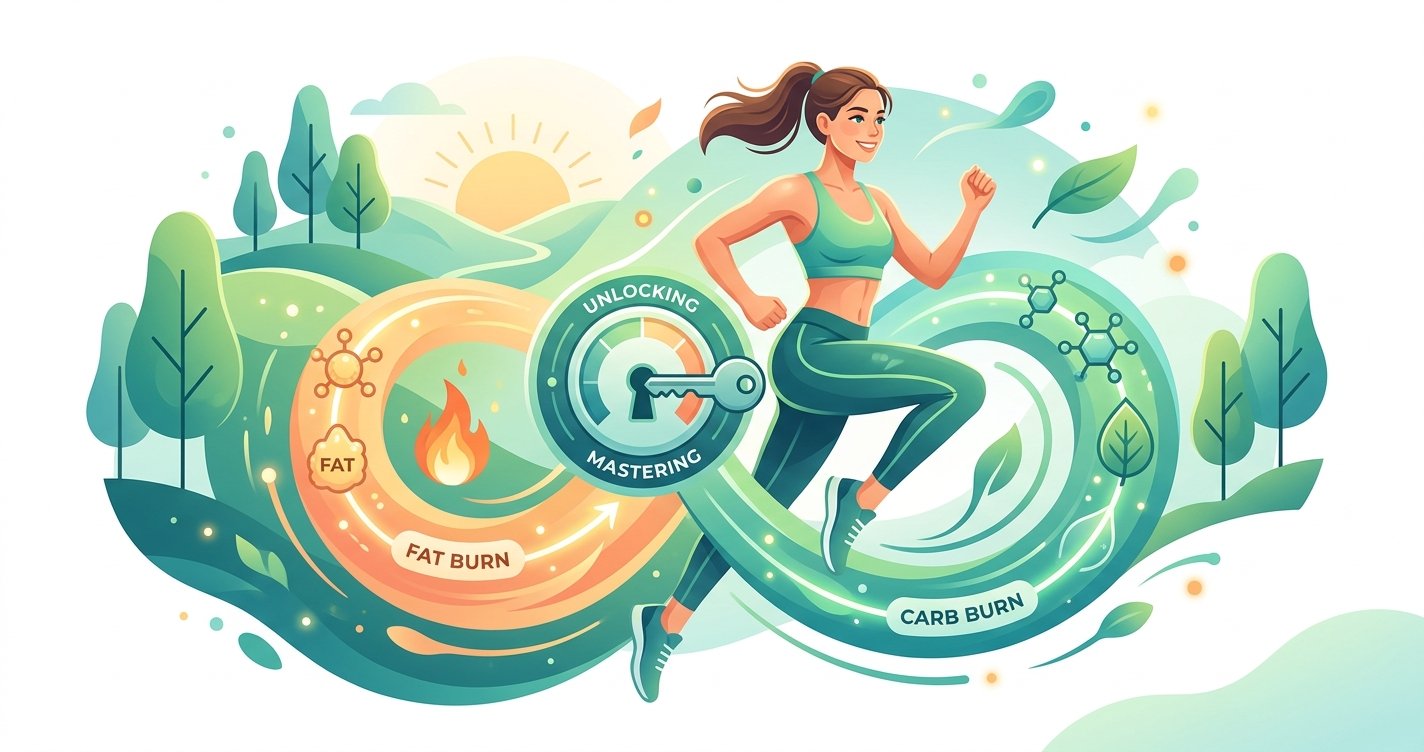
Imagine your body as a high-performance hybrid car. A metabolically flexible body can seamlessly switch between different fuel sources – primarily carbohydrates (glucose) and fats – depending on availability and demand. When you eat carbs, your body efficiently uses glucose for energy. When carbs are scarce, or during periods of rest and activity, it effortlessly taps into its fat stores for fuel. This smooth transition is the hallmark of a healthy, metabolically flexible metabolism.
In contrast, a metabolically inflexible body tends to rely heavily on glucose. If it's constantly fueled by carbs, it becomes less efficient at burning fat. This can lead to a host of issues: constant cravings, energy crashes, difficulty losing stubborn fat, and a higher risk of insulin resistance. Think of it like a car that can only run on one type of fuel – not very adaptable or efficient, right?
Why Traditional Diets Often Miss the Mark (And How Metabolic Flexibility Helps)
Many popular diets, while potentially offering short-term fat loss, often inadvertently hinder metabolic flexibility. Extreme calorie restriction can slow metabolism, and diets that are consistently high in refined carbohydrates can keep insulin levels elevated, signaling your body to store fat rather than burn it. When your body is constantly flooded with glucose, it never gets a chance to practice burning fat efficiently. This creates a cycle where you feel hungry, tired, and your body clings to its fat reserves.
Metabolic flexibility offers a refreshing alternative. Instead of fighting your body, it teaches you to work with it. By improving your body's ability to switch between fuel sources, you naturally enhance your capacity to burn stored body fat, even when you're not actively exercising. This leads to more consistent energy, fewer cravings, and a body that's optimized for sustainable weight management and overall vitality.
The Pillars of Building Metabolic Flexibility for Sustainable Fat Loss
Achieving metabolic flexibility isn't about extreme measures; it's about adopting smart, sustainable lifestyle changes. Here’s how you can empower your body to become a fat-burning powerhouse:
1. Prioritize Protein and Healthy Fats at Every Meal
Protein is your best friend for fat loss and metabolic health. It's incredibly satiating, helping you feel fuller for longer, and it requires more energy to digest than carbs or fats (the thermic effect of food). Crucially, protein helps preserve muscle mass, which is metabolically active tissue – meaning more muscle equals a higher resting metabolism. Healthy fats, like those found in avocados, nuts, seeds, and olive oil, are also essential. They provide sustained energy, support hormone production, and don't spike insulin, encouraging your body to access fat stores.
- Practical Tip: Aim for 20-30g of protein per meal. Include sources like lean meats, fish, eggs, Greek yogurt, or plant-based options like lentils and tofu. Add healthy fats with a handful of almonds, a drizzle of olive oil, or half an avocado.
2. Be Strategic with Carbohydrate Intake and Timing
This isn't about demonizing carbs, but about choosing them wisely and timing their consumption. Opt for whole, fiber-rich carbohydrates over refined sugars and processed grains. Fiber helps slow glucose absorption, preventing sharp insulin spikes. Consider carb cycling or timing your carb intake around your most active periods.
- Practical Tip: Focus on vegetables, fruits, legumes, and whole grains. Enjoy most of your carbs after a workout when your muscles are primed to absorb glucose, reducing the likelihood of it being stored as fat. On less active days, lean towards lower-carb options.
3. Embrace Strategic Fasting (When Appropriate)
Time-restricted eating, a form of intermittent fasting, can be a powerful tool for improving metabolic flexibility. By extending the period between your last meal of the day and your first meal of the next, you give your body a chance to deplete glycogen stores and tap into fat for energy. This can enhance insulin sensitivity and promote cellular repair (autophagy).
- Practical Tip: Start with a 12-hour eating window (e.g., finish dinner by 7 PM, eat breakfast at 7 AM). Gradually extend to 14 or 16 hours if comfortable. Always listen to your body and consult a healthcare professional, especially if you have underlying health conditions or are pregnant/breastfeeding.
4. Move Your Body Regularly (Especially Strength Training)
Exercise is a non-negotiable component of metabolic health. Strength training is particularly effective as it builds muscle mass, which improves insulin sensitivity and increases your resting metabolic rate. Cardio, especially high-intensity interval training (HIIT), can also boost your body's ability to burn fat and improve its energy-switching capabilities.
- Practical Tip: Aim for 3-4 strength training sessions per week. Incorporate 2-3 sessions of moderate cardio or HIIT. Even daily walks contribute significantly to overall metabolic health.
5. Optimize Sleep and Master Stress Management
You can eat perfectly and exercise diligently, but if your sleep is poor and stress levels are high, your metabolic flexibility will suffer. Lack of sleep disrupts hunger hormones (ghrelin and leptin) and increases cortisol, a stress hormone that can promote fat storage, especially around the belly. Chronic stress also elevates cortisol, making fat loss an uphill battle.
- Practical Tip: Prioritize 7-9 hours of quality sleep per night. Create a relaxing bedtime routine. Practice stress-reduction techniques like meditation, deep breathing, or spending time in nature.
Beyond the Scale: The Wider Benefits of Metabolic Flexibility
While sustainable fat loss is a primary goal, the benefits of becoming metabolically flexible extend far beyond a smaller waistline. You'll likely experience:
- Consistent Energy Levels: No more afternoon slumps or relying on caffeine to get through the day.
- Reduced Cravings: Your body learns to efficiently use its own stored energy, leading to fewer urges for quick fixes.
- Improved Mental Clarity: Stable blood sugar contributes to better focus and cognitive function.
- Enhanced Blood Sugar Control: A significant step towards preventing and managing type 2 diabetes.
- Overall Vitality: You'll simply feel better, more robust, and ready to take on life's challenges.
Your Journey Towards Lasting Fat Loss and Vibrant Health
Embracing metabolic flexibility is a journey, not a destination. It's about empowering your body with the right tools and habits to thrive. Remember, progress over perfection. Start with small, consistent changes, listen to your body's signals, and be patient with yourself. The goal isn't just to lose fat quickly, but to build a resilient, efficient metabolism that supports your health and energy for years to come.
By understanding and applying the principles of metabolic flexibility, you're not just dieting; you're building a foundation for truly sustainable fat loss and a life filled with energy, clarity, and well-being. It's time to unlock your body's innate power and achieve the lasting results you deserve!