Tired of the Fat Loss Rollercoaster? Let's Find a Sustainable Path Together!
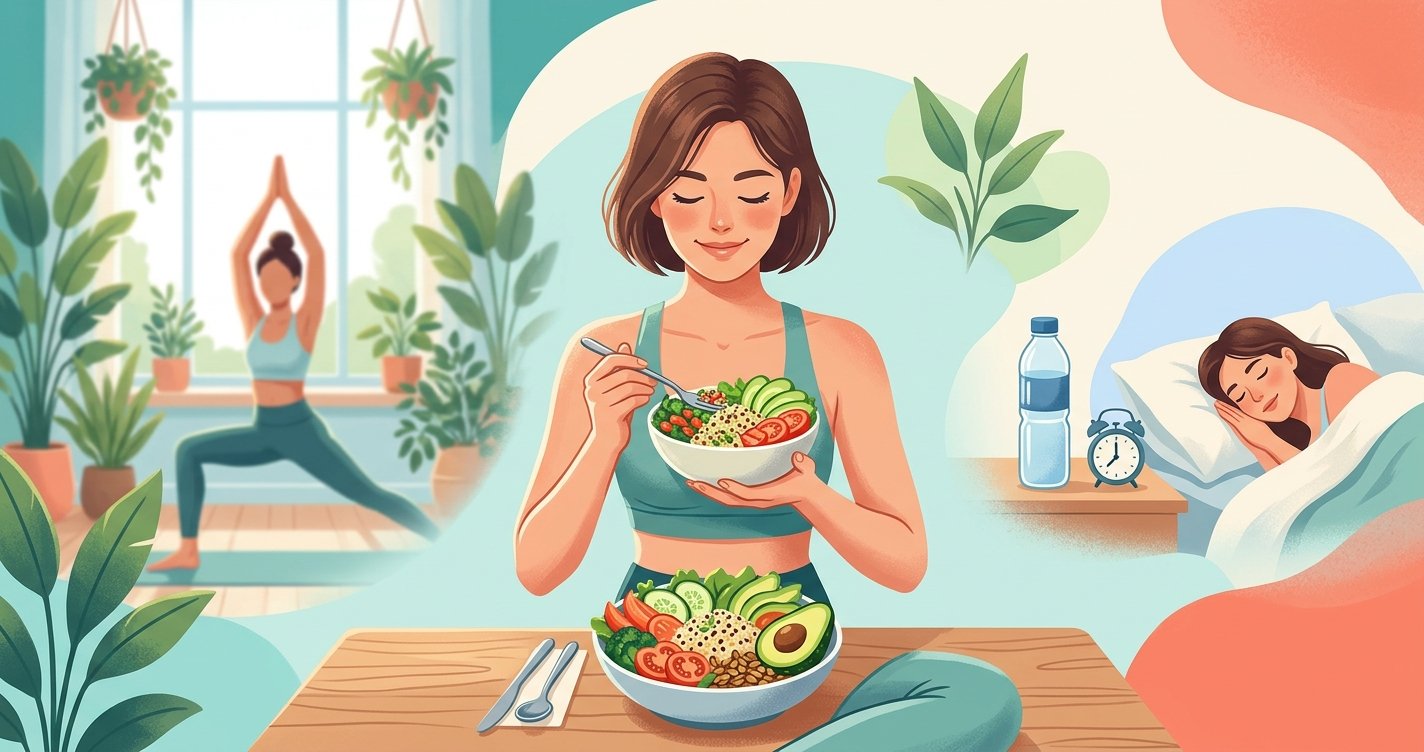
You’ve probably been there. Enthusiastically starting a new diet, seeing some initial progress, only to hit a wall, feel deprived, and eventually regain the weight, often with a little extra. It’s a frustrating cycle that leaves many feeling defeated and questioning if sustainable fat loss is even possible. The good news? It absolutely is! But it’s not about quick fixes or extreme restrictions. It’s about cultivating a healthier relationship with food and your body, integrating mindful eating, and making sustainable lifestyle changes that support your long-term well-being and fat loss goals.
This isn't another diet plan. Instead, we’ll explore evidence-based strategies that empower you to understand your body better, make conscious choices, and build habits that lead to lasting results. Get ready to ditch the deprivation mindset and embrace a journey towards a healthier, happier you! this excellent wellness product
Why Fad Diets Fail: The Cycle of Restriction and Regain
Before diving into what works, let's briefly understand why so many popular diets fall short. Most fad diets are built on severe calorie restriction, elimination of entire food groups, or rigid rules that are simply unsustainable in the long run. While they might offer rapid initial weight loss, this is often due to water loss and muscle mass, not just fat.
- Deprivation Leads to Cravings: When you restrict too much, your body and mind rebel, often leading to intense cravings and eventual overeating.
- Metabolic Adaptation: Prolonged severe calorie restriction can slow down your metabolism, making it harder to lose weight and easier to regain it once you return to normal eating patterns.
- Lack of Education: Many diets don't teach you how to eat for life; they just give you a temporary rulebook. Once the diet ends, people often revert to old habits because they haven't learned sustainable nutrition principles.
- Focus on Short-Term Fixes: These diets rarely address the underlying behavioral, emotional, or lifestyle factors that contribute to weight gain, making them a temporary band-aid rather than a lasting solution.
Our goal isn't just to lose weight, but to lose fat sustainably and improve our overall health. This requires a shift in perspective from quick fixes to long-term habits.
What is Mindful Eating, Really? (And Why It Matters for Fat Loss)
Mindful eating is a powerful tool often overlooked in the pursuit of fat loss. It's not a diet, but an approach to food that involves paying full attention to the experience of eating and drinking, both inside and outside the body. It means noticing the colors, smells, textures, and tastes of your food. It also means tuning into your body's hunger and fullness cues, and acknowledging your thoughts and feelings about food without judgment.
Research suggests that mindful eating can help reduce binge eating, emotional eating, and contribute to sustainable weight management. By slowing down and truly experiencing your meals, you're more likely to:
- Recognize when you're truly hungry and when you're satisfied.
- Enjoy your food more, leading to greater satisfaction with smaller portions.
- Identify emotional triggers for eating that aren't related to physical hunger.
- Improve digestion and nutrient absorption.
Practicing Mindful Eating: Simple Steps to Start
- Eliminate Distractions: Turn off the TV, put away your phone, and focus solely on your meal.
- Eat Slowly: Put your fork down between bites. Chew thoroughly. It takes about 20 minutes for your brain to register that your stomach is full.
- Engage Your Senses: Notice the colors, aromas, textures, and flavors of your food.
- Check In with Hunger & Fullness: Before eating, rate your hunger on a scale of 1-10. During your meal, pause and ask yourself if you’re still hungry or if you’re feeling satisfied. Aim to stop when you're comfortably full, not stuffed.
- Listen to Your Body: Pay attention to how different foods make you feel – energetic, sluggish, bloated?
Beyond the Plate: Lifestyle Habits That Accelerate Fat Loss
While nutrition is crucial, fat loss isn’t just about what you eat. Your daily habits play a monumental role in your body's ability to burn fat and maintain a healthy weight. Let's explore some key lifestyle levers.
The Power of Quality Sleep
Sleep is often the unsung hero of fat loss. When you don't get enough quality sleep (7-9 hours for most adults), your body experiences a cascade of hormonal imbalances:
- Increased Ghrelin: The 'hunger hormone' goes up, making you feel hungrier.
- Decreased Leptin: The 'satiety hormone' goes down, making it harder to feel full.
- Increased Cortisol: The 'stress hormone' rises, promoting fat storage, especially around the belly.
- Reduced Insulin Sensitivity: This can lead to higher blood sugar levels and increased fat storage.
Prioritizing sleep means creating a consistent sleep schedule, a dark and cool bedroom, and winding down before bed (no screens!).
Stress Less, Lose More: Managing Cortisol
Chronic stress is a silent saboteur of fat loss. When stressed, your body releases cortisol, which, as mentioned, can encourage fat storage and increase cravings for high-sugar, high-fat foods. Finding effective ways to manage stress is not just good for your mental health, but essential for your waistline.
Consider incorporating stress-reduction techniques into your daily routine:
- Meditation or deep breathing exercises
- Yoga or tai chi
- Spending time in nature
- Journaling
- Engaging in hobbies you enjoy
- Connecting with loved ones
Move Your Body: Smart Exercise for Sustainable Results
You don't need to spend hours at the gym to see results. The key is consistent, smart movement that you enjoy. Focus on a combination of:
- Strength Training (2-3 times/week): Building muscle mass is incredibly beneficial for fat loss. Muscle is metabolically active, meaning it burns more calories at rest than fat. It also helps sculpt your body and improve overall strength.
- Cardiovascular Exercise (3-5 times/week): Activities like brisk walking, jogging, cycling, or swimming are great for burning calories, improving heart health, and boosting mood.
- Non-Exercise Activity Thermogenesis (NEAT): This is the energy expended for everything we do that is not sleeping, eating, or sports-like exercise. Think walking more, taking the stairs, standing at your desk, or doing household chores. Increasing your NEAT can significantly increase your daily calorie expenditure.
Find activities you genuinely enjoy. Consistency beats intensity every time.
Fueling Your Body: Nutrition Principles for Fat Loss (Without Obsession)
You don't need to count every calorie or follow a restrictive meal plan. Instead, focus on these foundational nutrition principles to support fat loss and overall health.
Protein: Your Best Friend for Satiety and Muscle Preservation
Protein is king when it comes to fat loss. It's the most satiating macronutrient, meaning it keeps you feeling fuller for longer, reducing the likelihood of overeating. It also helps preserve muscle mass, which is crucial when you're in a calorie deficit. Aim for a good source of lean protein at every meal.
- Sources: Chicken breast, turkey, fish, lean beef, eggs, Greek yogurt, cottage cheese, lentils, beans, tofu, tempeh.
Fiber: The Unsung Hero of Weight Management
Fiber-rich foods add bulk to your diet without adding many calories. This helps you feel full, supports healthy digestion, and can help stabilize blood sugar levels, preventing energy crashes and subsequent cravings.
- Sources: Vegetables (especially leafy greens), fruits (berries, apples), whole grains (oats, quinoa, brown rice), legumes, nuts, and seeds.
Healthy Fats: Don't Fear Them!
While fats are calorie-dense, healthy fats are essential for hormone production, nutrient absorption, and satiety. They help slow down digestion, keeping you full and satisfied. Just remember that portion control is key.
- Sources: Avocados, nuts, seeds, olive oil, fatty fish (salmon, mackerel).
Focus on whole, unprocessed foods. Limit sugary drinks, refined carbohydrates, and highly processed snacks. These are often calorie-dense and nutrient-poor, contributing to cravings and hindering fat loss.
Building a Sustainable Path: Consistency Over Perfection
Remember, fat loss is a journey, not a destination. There will be days when you make less-than-ideal choices, or when progress feels slow. That's perfectly normal! The key is to be consistent most of the time, learn from setbacks, and get back on track without dwelling on perfection.
- Progress, Not Perfection: Don't let one 'bad' meal derail your entire week. Acknowledge it, learn from it, and move on.
- Patience is Key: Sustainable fat loss takes time. Celebrate small victories and focus on the long game.
- Listen to Your Body: Your body gives you cues. Learn to interpret them and adjust your approach as needed.
- Seek Support: Whether it's a friend, family member, or a professional, having support can make a huge difference.
Your Journey to Lasting Change: A Final Encouragement
Embarking on a sustainable fat loss journey means embracing a holistic approach that nurtures your body and mind. By integrating mindful eating, prioritizing sleep, managing stress, engaging in smart exercise, and focusing on nutrient-dense whole foods, you're not just losing weight – you're building a foundation for lifelong health and vitality.
This isn't about deprivation; it's about empowerment. It's about learning to trust your body, making conscious choices that serve your well-being, and enjoying the process. Be kind to yourself, stay consistent, and celebrate every step of your progress. You've got this!