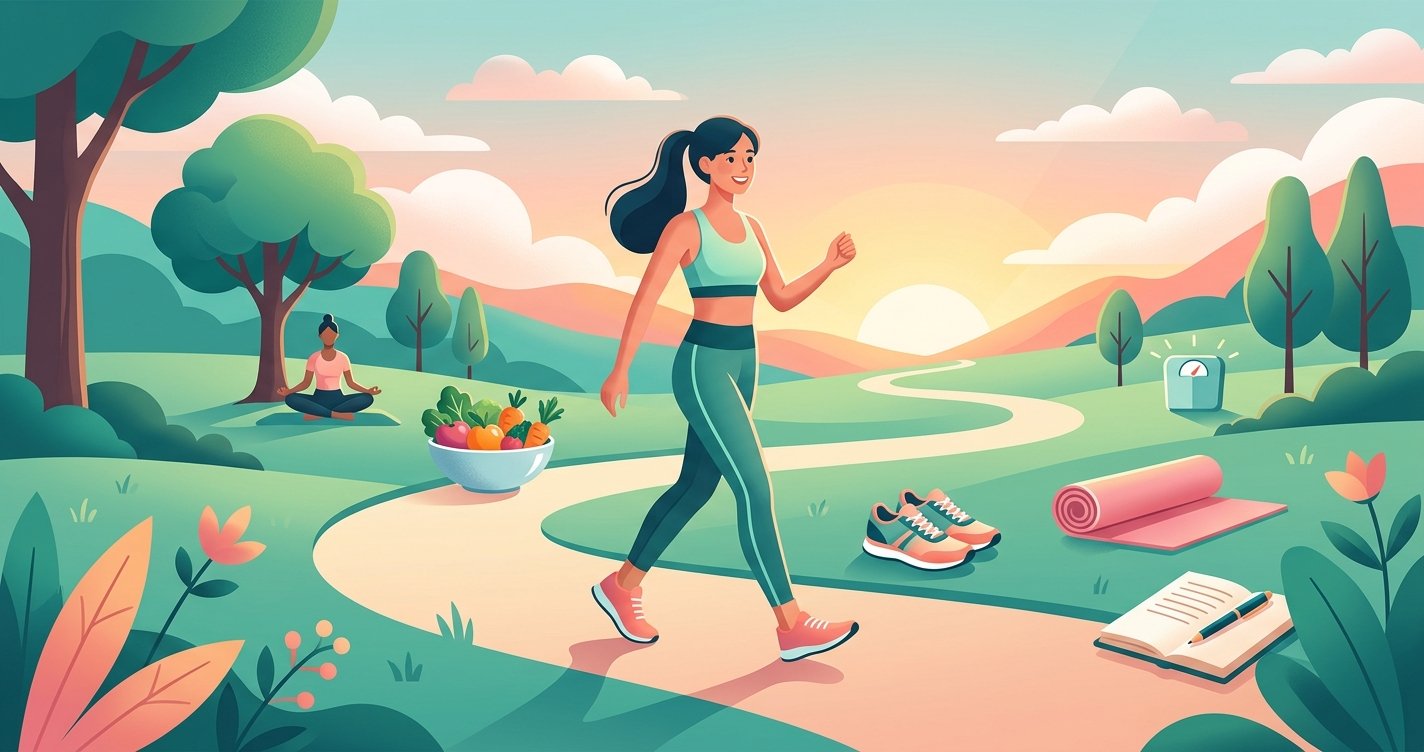
Beyond the Scale: Sustainable Fat Loss Through Mindful Living & Lasting Habits
The journey to fat loss often feels like a rollercoaster of restrictive diets, intense workouts, and frustrating plateaus. If you've ever felt trapped in this cycle, constantly battling your cravings and feeling guilty about every 'slip-up,' you're not alone. Millions embark on quick-fix diets each year, only to find themselves back where they started, often heavier and more disheartened. But what if there was a different path? A path not paved with deprivation, but with understanding, self-compassion, and sustainable lifestyle changes?
Welcome to the world of sustainable fat loss – an approach that moves beyond temporary fixes and focuses on building lasting habits that genuinely support your body and mind. This isn't about rigid rules or extreme sacrifices; it's about cultivating a healthier relationship with food, movement, and yourself. It's about finding joy in nourishing your body and understanding that true fat loss is a marathon, not a sprint. Let’s dive into how you can achieve your goals not just for a season, but for life. this excellent wellness product
Why Diets Often Fail (And It's Not Your Fault!)
Before we explore sustainable solutions, it’s crucial to understand why traditional diets so frequently miss the mark. Most restrictive diets operate on a simple premise: eat less, move more, lose weight. While this caloric deficit is necessary for fat loss, the human body is far more complex than a simple calculator.
- Metabolic Adaptation: When you drastically cut calories, your body often perceives it as a famine. It responds by slowing down your metabolism to conserve energy, making further fat loss harder and increasing the likelihood of weight regain once you stop the diet.
- Hormonal Imbalances: Restrictive eating can disrupt key hormones like leptin (which signals satiety) and ghrelin (which stimulates hunger). This can leave you constantly battling intense cravings and feeling perpetually hungry, making adherence incredibly difficult.
- Psychological Toll: The 'all-or-nothing' mentality of dieting often leads to feelings of deprivation, guilt, and shame. A single deviation from the diet can trigger a 'what the heck' effect, leading to overeating and abandonment of the diet altogether.
- Lack of Sustainability: Most diets are simply not designed for long-term living. They often exclude entire food groups or require elaborate meal prep that isn't feasible for most people's busy lives.
Understanding these pitfalls isn't about excusing past struggles; it's about empowering you with knowledge. It’s not a lack of willpower that causes diets to fail; it’s often the flawed design of the diets themselves.
Shifting Your Mindset: From Restriction to Empowerment
The first and most powerful step towards sustainable fat loss is a fundamental shift in mindset. Instead of viewing food as an enemy or exercise as a punishment, let's reframe them as tools for nourishment, strength, and well-being. This approach embraces intuitive eating and mindful movement, fostering a healthier relationship with your body.
- Focus on Health, Not Just Weight: While fat loss is a goal, aiming for overall health – better energy, improved sleep, reduced stress, stronger body – provides a more motivating and sustainable framework. The fat loss often becomes a positive side effect of these healthy habits.
- Practice Self-Compassion: Be kind to yourself. There will be days when you make less-than-optimal choices. Instead of dwelling on guilt, acknowledge it, learn from it, and gently guide yourself back on track. Perfection is not the goal; consistent effort and self-forgiveness are.
- Celebrate Small Victories: Did you choose water over soda today? Did you go for a walk? Did you notice when you were full and stop eating? These are huge wins! Acknowledge and celebrate them to build momentum and positive reinforcement.
- Identify Your 'Why': What truly motivates you? Is it to play with your kids without getting tired? To feel confident in your clothes? To prevent future health issues? Connecting to your deeper 'why' can provide unwavering motivation when challenges arise.
The Power of Small, Sustainable Habits
Forget drastic overhauls. Sustainable fat loss is built brick by brick, through small, consistent changes that accumulate into significant results over time. These habits become second nature, effortlessly integrated into your daily life.
Mindful Eating: Savoring Your Way to Success
Mindful eating isn't a diet; it's an approach to food that involves paying full attention to your eating experience. It helps you recognize hunger and fullness cues, appreciate your food, and make more conscious choices.
- Eat Slowly: Put your fork down between bites. Chew thoroughly. It takes about 20 minutes for your stomach to signal to your brain that you're full. Rushing often leads to overeating.
- Tune In to Your Body: Before eating, ask yourself: Am I truly hungry? What kind of hunger is it (physical vs. emotional)? During eating, notice the flavors, textures, and smells. How does your body feel? Stop when you feel comfortably satisfied, not stuffed.
- Minimize Distractions: Turn off the TV, put away your phone, and truly focus on your meal. This helps you enjoy your food more and recognize satiety signals.
Hydration Hero: The Unsung Fat Loss Ally
Often overlooked, proper hydration plays a critical role in fat loss and overall health. Water is essential for metabolism, nutrient transport, and even appetite control.
- Drink Water Before Meals: A glass of water 20-30 minutes before eating can help you feel fuller and potentially reduce your food intake.
- Stay Hydrated Throughout the Day: Carry a reusable water bottle. Aim for around 8 glasses (2 liters) a day, adjusting based on activity level and climate. Sometimes, what feels like hunger is actually thirst!
- Choose Water Over Sugary Drinks: Swapping sodas, juices, and sweetened coffees for water can significantly reduce your caloric intake without feeling deprived.
Move More, Stress Less: Finding Joy in Activity
Movement is crucial for fat loss, but it doesn't have to mean grueling gym sessions. Find activities you genuinely enjoy, making exercise a sustainable part of your life, not a chore.
- Find Your Movement: Whether it's dancing, hiking, swimming, cycling, or lifting weights, choose activities that bring you joy. Consistency is more important than intensity in the long run.
- Incorporate NEAT (Non-Exercise Activity Thermogenesis): These are the calories you burn doing everyday things that aren't formal exercise. Take the stairs, park further away, stand while working, walk during phone calls. These small movements add up!
- Listen to Your Body: Rest days are just as important as active days. Pushing yourself too hard can lead to burnout or injury.
Fueling Your Body Wisely (Without Obsession)
You don't need to count every calorie or macronutrient to achieve sustainable fat loss. Instead, focus on building balanced meals with whole, unprocessed foods that keep you full and nourished.
- Prioritize Protein: Protein is incredibly satiating, helps preserve muscle mass during fat loss, and has a higher thermic effect (meaning your body burns more calories digesting it). Include a source of lean protein (chicken, fish, beans, lentils, tofu, Greek yogurt) at every meal.
- Embrace Fiber-Rich Foods: Fiber, found in fruits, vegetables, whole grains, and legumes, adds bulk to your meals, promoting fullness and aiding digestion. It also helps stabilize blood sugar levels, preventing energy crashes and cravings.
- Don't Fear Healthy Fats: Healthy fats (avocado, nuts, seeds, olive oil) are essential for hormone production, nutrient absorption, and satiety. Enjoy them in moderation, as they are calorie-dense.
- Fill Half Your Plate with Veggies: Vegetables are nutrient-dense and low in calories, making them perfect for filling up without overeating. Experiment with different colors and types to get a wide range of vitamins and minerals.
Beyond the Plate: Sleep, Stress, and Support
Sustainable fat loss isn't just about what you eat and how you move; it's a holistic endeavor that involves managing stress, prioritizing sleep, and building a supportive environment.
Catching Zzz's for Fat Loss Success
Sleep is often the missing link in fat loss. Insufficient sleep can wreak havoc on your hormones, increasing ghrelin (hunger hormone) and decreasing leptin (satiety hormone), leading to increased appetite and cravings for unhealthy foods.
- Aim for 7-9 Hours: Prioritize consistent, quality sleep. Create a relaxing bedtime routine.
- Optimize Your Sleep Environment: Make your bedroom dark, quiet, and cool.
Taming the Stress Monster
Chronic stress triggers the release of cortisol, a hormone that can promote fat storage, especially around the belly. Stress can also lead to emotional eating and disrupt sleep.
- Practice Stress-Reducing Techniques: Incorporate mindfulness, meditation, yoga, deep breathing exercises, or spending time in nature into your routine.
- Set Boundaries: Learn to say no to commitments that overwhelm you.
The Buddy System: Why Support Matters
You don't have to do this alone. A strong support system can make all the difference.
- Find an Accountability Partner: Share your goals with a friend or family member who can offer encouragement and keep you on track.
- Seek Professional Guidance: A registered dietitian, certified personal trainer, or health coach can provide personalized advice and support.
- Join a Community: Connect with others on a similar journey for shared motivation and tips.
Embrace Your Sustainable Journey
Sustainable fat loss is about progress, not perfection. It's about making peace with your body, enjoying nourishing foods, and moving in ways that feel good. It’s about building a foundation of healthy habits that serve you for a lifetime, not just until you hit a certain number on the scale. Remember, every small, consistent step forward is a victory. Be patient, be kind to yourself, and trust the process. Your healthiest, happiest self is waiting!