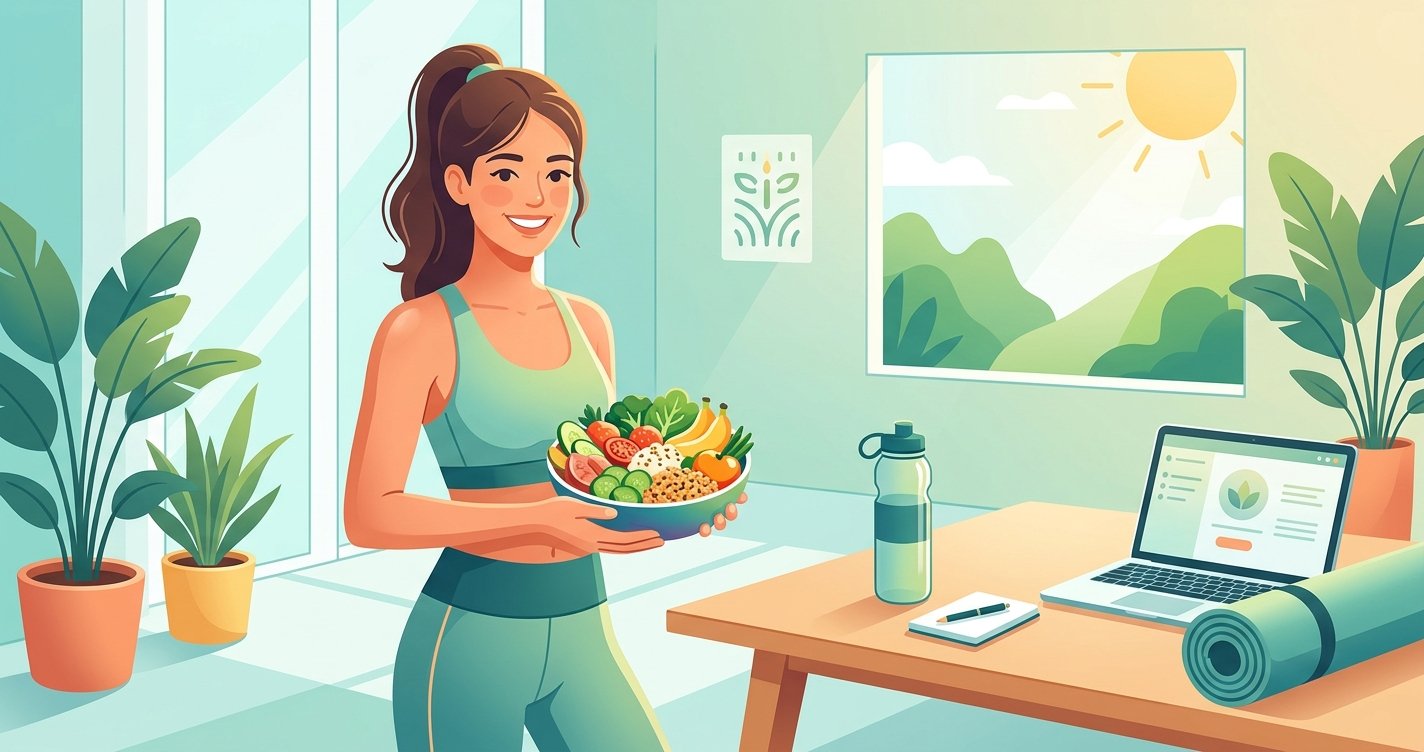
Feeling trapped in the endless cycle of extreme diets, quick fixes, and the inevitable rebound? You're not alone. Many of us have been there, chasing the promise of rapid weight loss only to find ourselves exhausted, demotivated, and often heavier than when we started. The good news? There's a better, more sustainable, and far more enjoyable path to fat loss – one that respects your body, your mind, and your lifestyle. This guide is all about ditching the deprivation and embracing a balanced, evidence-based approach to shedding fat for good.
Why Extreme Diets Often Backfire: The Vicious Cycle
Let's be honest, those crash diets promising 10 pounds in a week sound tempting. But their allure quickly fades when confronted with reality. Extreme calorie restriction, severe food group elimination, and overly rigid rules are recipes for disaster, not sustainable success. Here's why they often lead to a frustrating yo-yo: this excellent wellness product
- Metabolic Adaptation: Your body is incredibly smart. When calories plummet too low, it interprets this as starvation and slows down your metabolism to conserve energy. This makes it harder to lose fat and easier to regain it once you return to normal eating.
- Muscle Loss: Rapid weight loss from extreme diets often means losing precious muscle mass along with fat. Muscle is metabolically active, meaning it burns more calories at rest. Losing it further hinders your long-term fat loss efforts.
- Nutrient Deficiencies: Restrictive diets can strip your body of essential vitamins and minerals, impacting energy levels, mood, and overall health.
- Psychological Toll: Constant hunger, cravings, social isolation, and the sheer mental exhaustion of extreme dieting can lead to feelings of failure, guilt, and a strained relationship with food. This often culminates in binge eating and a return to old habits.
- Unsustainability: Can you genuinely envision eating 800 calories a day or cutting out entire food groups for the rest of your life? Probably not. If a diet isn't sustainable, it's not a solution.
The goal isn't just to lose weight; it's to lose fat, keep it off, and feel great doing it. And that requires a different approach.
The Foundation: Crafting a Gentle Caloric Deficit
At its core, fat loss boils down to one fundamental principle: consuming fewer calories than your body burns. This is known as a caloric deficit. However, the key here is 'gentle' and 'sustainable.' We're not talking about starvation; we're talking about a modest, manageable deficit that your body can adapt to without extreme stress.
Finding Your Sweet Spot: A Simple Approach
Firstly, estimate your Total Daily Energy Expenditure (TDEE) – the total number of calories your body burns in a day, including basal metabolism, digestion, and activity. Online TDEE calculators can give you a good starting point. Once you have this number, aim to create a deficit of 300-500 calories per day. For example, if your TDEE is 2200 calories, aiming for 1700-1900 calories daily is a sensible start. This deficit is typically enough to promote steady fat loss (around 0.5-1 pound per week) without triggering the negative adaptations of extreme dieting.
Remember, these are estimates. Listen to your body, track your progress, and adjust as needed. Consistency over perfection is your mantra here.
Protein: Your Underrated Ally in Fat Loss
If there's one macronutrient you should prioritize for fat loss, it's protein. Protein plays several crucial roles that make it an invaluable tool in your sustainable fat loss journey:
- Satiety Powerhouse: Protein is incredibly filling. Including adequate protein at each meal helps you feel fuller for longer, reducing overall calorie intake and curbing those pesky cravings.
- Muscle Preservation: When you're in a caloric deficit, your body can sometimes break down muscle tissue for energy. A higher protein intake helps to spare this lean muscle mass, ensuring that the weight you lose is primarily fat.
- Thermic Effect of Food (TEF): Protein has the highest TEF among macronutrients, meaning your body burns more calories digesting and metabolizing protein compared to carbs or fats. It's a small but helpful metabolic boost.
Aim for roughly 0.7-1 gram of protein per pound of your target body weight. Incorporate lean protein sources like chicken breast, turkey, fish, lean beef, eggs, Greek yogurt, cottage cheese, tofu, lentils, and protein powder into your daily meals.
Carbs & Fats: Friends, Not Foes (When Chosen Wisely)
The diet industry loves to villainize carbs and fats, but the truth is, both are essential for optimal health and energy. The key lies in choosing the right types and quantities.
Smart Carb Choices: Fuel Your Body
Instead of fearing carbohydrates, focus on complex carbohydrates rich in fiber. These include:
- Whole Grains: Oats, quinoa, brown rice, whole wheat bread.
- Fruits: Berries, apples, bananas, oranges.
- Vegetables: Broccoli, spinach, sweet potatoes, bell peppers.
- Legumes: Beans, lentils, chickpeas.
Fiber not only aids digestion but also promotes satiety and helps regulate blood sugar levels, preventing energy crashes and subsequent cravings. Limit refined carbohydrates like white bread, sugary cereals, and pastries, which offer little nutritional value and can spike blood sugar.
Healthy Fats: Essential for Hormones and Satiety
Fats are crucial for hormone production, nutrient absorption, and providing sustained energy. The trick is to focus on healthy, unsaturated fats and consume them in moderation due to their high caloric density:
- Avocado: A fantastic source of monounsaturated fats.
- Nuts and Seeds: Almonds, walnuts, chia seeds, flaxseeds (great for omega-3s).
- Olive Oil: A staple for cooking and dressings.
- Fatty Fish: Salmon, mackerel, sardines (rich in omega-3s).
Avoid trans fats found in many processed and fried foods, and limit excessive saturated fats.
Move Your Body, Live Your Life: Beyond the Gym
While nutrition is paramount for fat loss, physical activity plays a vital supportive role. And no, you don't need to spend hours sweating in a gym every day. The goal is to integrate more movement into your daily life in ways you genuinely enjoy.
- Non-Exercise Activity Thermogenesis (NEAT): This refers to the energy expended for everything we do that is not sleeping, eating, or sports-like exercise. Think walking, gardening, taking the stairs, fidgeting. Increasing your NEAT throughout the day can significantly boost your daily calorie expenditure. Aim for more steps, stand more, and find excuses to move!
- Strength Training: This is a game-changer for fat loss. Building muscle not only helps shape your body but also increases your resting metabolism, meaning you burn more calories even when you're not exercising. Aim for 2-3 full-body strength sessions per week.
- Cardio for Health and Fun: While not strictly necessary for fat loss (nutrition is king), cardio improves cardiovascular health, boosts mood, and burns calories. Find activities you love – dancing, hiking, cycling, swimming – and make them a regular part of your routine.
The best exercise is the one you'll actually do consistently. Find what resonates with you and stick with it.
The Silent Pillars: Sleep & Stress Management for Fat Loss
Often overlooked, adequate sleep and effective stress management are critical components of sustainable fat loss. They impact your hormones, which in turn dictate hunger, energy, and how your body stores fat.
- Sleep: When you're sleep-deprived, your body produces more ghrelin (the hunger hormone) and less leptin (the satiety hormone). This makes you feel hungrier, especially for high-carb, high-fat foods, and less satisfied after eating. Lack of sleep also increases cortisol levels, which can promote fat storage, particularly around the midsection. Aim for 7-9 hours of quality sleep per night.
- Stress: Chronic stress keeps your cortisol levels elevated. As mentioned, high cortisol can lead to increased appetite, cravings for comfort foods, and a tendency to store fat around the belly. Find healthy ways to manage stress: meditation, yoga, spending time in nature, hobbies, or simply deep breathing exercises.
Prioritizing rest and relaxation isn't a luxury; it's a necessity for successful fat loss and overall well-being.
Cultivating a Sustainable Mindset: Patience and Self-Compassion
Sustainable fat loss is a marathon, not a sprint. It requires patience, consistency, and a healthy dose of self-compassion. There will be days when you don't hit your targets, or you overeat. That's okay. One meal or one day doesn't derail your entire journey.
- Focus on Consistency, Not Perfection: Aim for 80/20 – be consistent 80% of the time, and allow for flexibility and enjoyment the other 20%.
- Celebrate Non-Scale Victories: Notice improvements in your energy, sleep, mood, strength, clothes fit, and overall health. These are powerful motivators.
- Practice Mindful Eating: Pay attention to your hunger and fullness cues. Eat slowly, savor your food, and avoid distractions.
- Be Kind to Yourself: Ditch the negative self-talk. Treat your body with respect and nourish it with wholesome foods. This is a journey of self-improvement, not self-punishment.
Embrace the process, learn from setbacks, and keep moving forward with a positive attitude.
Your Journey to Lasting Fat Loss Starts Now
Sustainable fat loss isn't about deprivation or quick fixes; it's about building healthy habits that you can maintain for life. By focusing on a gentle caloric deficit, prioritizing protein, making smart carb and fat choices, moving your body joyfully, and prioritizing sleep and stress management, you're setting yourself up for lasting success. This isn't just about changing your body; it's about transforming your relationship with food, exercise, and yourself. Embrace this journey with patience, consistency, and a whole lot of self-love, and you'll discover a stronger, healthier, and happier you.