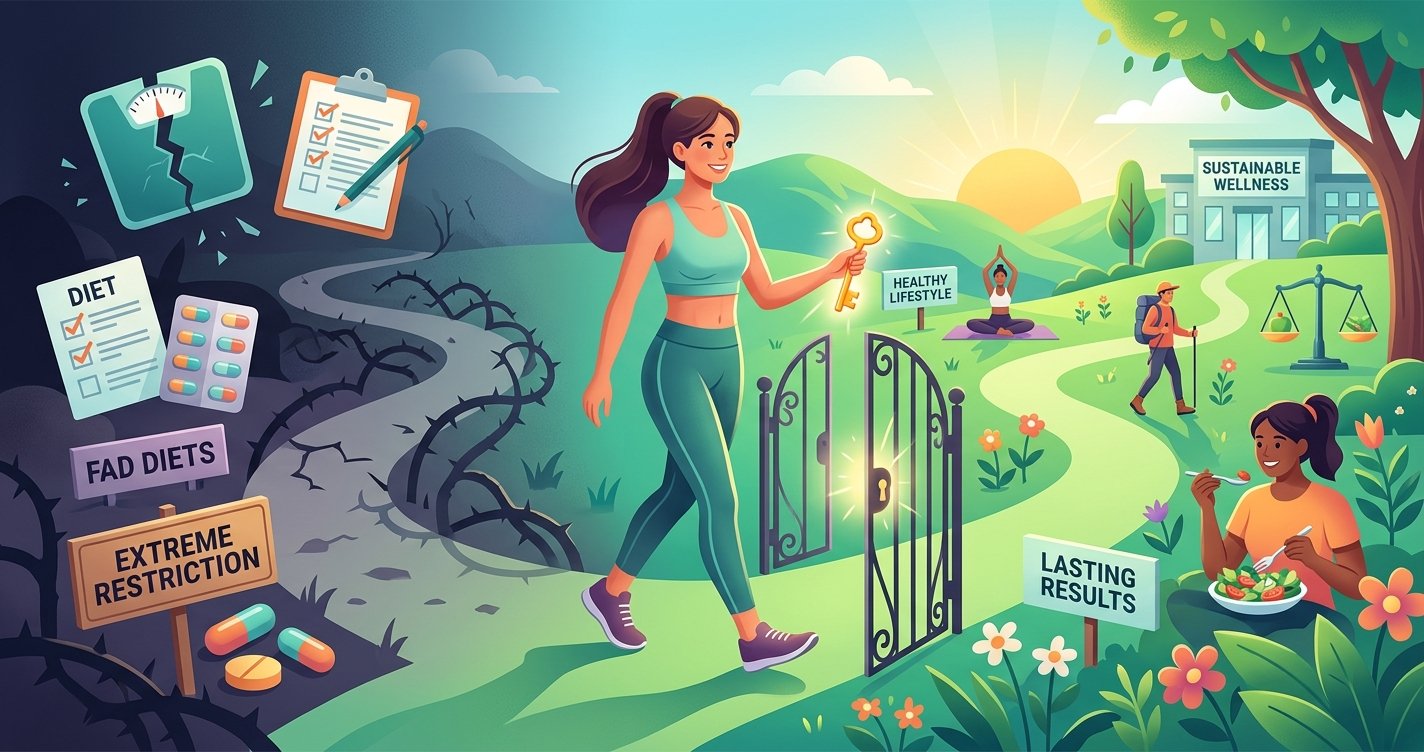
Unlock Sustainable Fat Loss: Ditch Extreme Diets for Lasting Results
Are you tired of the endless cycle of restrictive diets, intense workouts, and disappointing results? Many people embarking on a fat loss journey find themselves caught in the trap of extreme measures, only to regain the weight (and often more) once the diet ends. It's a frustrating and demotivating experience, but there's good news: sustainable fat loss is not only possible but also far more effective and enjoyable. This isn't about quick fixes or deprivation; it's about building healthy habits that last a lifetime, supported by evidence-based strategies. Let's explore how you can achieve your fat loss goals without resorting to drastic, unsustainable methods.
Why Extreme Diets Fail (And What to Do Instead)
The allure of rapid weight loss can be strong, leading many to embrace crash diets, juice cleanses, or highly restrictive eating plans. While these methods might show initial results, they rarely lead to lasting change. Why? Because they're fundamentally unsustainable. Extreme diets often: this excellent wellness product
- Deprive your body of essential nutrients: Leading to fatigue, irritability, and potential health issues.
- Slow down your metabolism: Your body adapts to severe calorie restriction by conserving energy, making fat loss harder in the long run.
- Are mentally exhausting: Constant hunger and cravings can lead to binge eating and a negative relationship with food.
- Don't teach sustainable habits: They're temporary fixes that don't equip you with the knowledge or tools for long-term health.
Instead of chasing quick fixes, our focus should be on creating a gentle, consistent caloric deficit through balanced nutrition and increased activity, all while nurturing a positive mindset. This approach respects your body, fuels your energy, and builds habits that stick.
The Foundation: Nailing Your Nutrition for Sustainable Results
True sustainable fat loss begins in the kitchen. It's not about cutting out entire food groups or eating only 'clean' foods; it's about making smart, informed choices that nourish your body while gently reducing your overall calorie intake.
The Power of a Moderate Caloric Deficit
At its core, fat loss requires consuming fewer calories than your body burns – known as a caloric deficit. However, the key word here is moderate. A deficit of 300-500 calories per day is generally recommended for steady, sustainable fat loss (around 1-2 pounds per week). This allows your body to adapt without feeling starved or triggering metabolic slowdown.
- How to achieve it: Focus on portion control, reducing highly processed foods, sugary drinks, and excessive unhealthy fats, rather than extreme restriction. Logging your food intake for a few days can help you understand your current habits.
Prioritizing Protein, Fiber, and Healthy Fats
These three macronutrients are your allies in fat loss, providing satiety, essential nutrients, and supporting metabolic health.
- Protein: Crucial for building and preserving lean muscle mass, which is metabolically active (burns more calories at rest). Protein also promotes satiety, helping you feel fuller for longer. Aim for a protein source with every meal.Sources: Lean meats, poultry, fish, eggs, dairy, legumes, tofu, tempeh.
- Fiber: Found in fruits, vegetables, and whole grains, fiber adds bulk to your meals, aiding digestion and promoting fullness. It helps stabilize blood sugar levels, preventing energy crashes and cravings.Sources: Berries, leafy greens, broccoli, oats, lentils, beans, whole-grain bread.
- Healthy Fats: Despite common misconceptions, healthy fats are essential for hormone production, nutrient absorption, and overall satiety. They are calorie-dense, so moderation is key, but don't cut them out entirely.Sources: Avocados, nuts, seeds, olive oil, fatty fish (salmon).
By building your meals around these nutrient-dense foods, you'll naturally feel more satisfied and less prone to overeating, making your caloric deficit much easier to maintain.
Beyond the Plate: Leveraging Movement for Fat Loss
While nutrition is paramount, incorporating physical activity is incredibly beneficial for fat loss, muscle preservation, and overall well-being. It's not just about burning calories; it's about building a stronger, healthier body.
Strength Training: Your Metabolism Booster
Often overlooked in favor of cardio, strength training is a powerful tool for fat loss. Building muscle tissue increases your resting metabolic rate, meaning your body burns more calories even when you're not exercising. It also shapes your body, giving you a more toned appearance.
- Benefits: Increased muscle mass, improved bone density, enhanced metabolism, better body composition.
- How to start: Aim for 2-3 full-body strength training sessions per week. You can use bodyweight exercises, resistance bands, dumbbells, or gym machines.
Cardio: For Heart Health and Calorie Burn
Cardiovascular exercise is excellent for burning calories, improving heart health, and boosting your mood. It complements strength training by enhancing endurance and overall fitness.
- Benefits: Calorie expenditure, improved cardiovascular health, stress reduction, increased stamina.
- How to start: Engage in moderate-intensity cardio (like brisk walking, jogging, cycling, or swimming) for 150-300 minutes per week.
The Power of Everyday Movement (NEAT)
Don't underestimate the impact of Non-Exercise Activity Thermogenesis (NEAT) – the calories you burn through daily activities outside of structured exercise. Taking the stairs, parking further away, walking during phone calls, or doing household chores all add up.
The Mind-Body Connection: Holistic Health for Lasting Change
Sustainable fat loss isn't just about food and exercise; it's deeply intertwined with your mental and emotional well-being. Neglecting factors like sleep and stress can sabotage even the best diet and exercise plans.
The Crucial Role of Sleep
Lack of sleep can wreak havoc on your hormones, specifically ghrelin (the hunger hormone) and leptin (the satiety hormone). When you're sleep-deprived, ghrelin levels rise, and leptin levels fall, leading to increased hunger and cravings, especially for high-calorie, sugary foods. Aim for 7-9 hours of quality sleep per night.
Managing Stress for Better Results
Chronic stress triggers the release of cortisol, a hormone that can promote fat storage, particularly around the abdominal area. High cortisol levels can also increase appetite and cravings. Finding healthy ways to manage stress is vital.
- Stress reduction techniques: Mindfulness meditation, yoga, deep breathing exercises, spending time in nature, journaling, hobbies, social connection.
Mindful Eating: A Game Changer
Mindful eating involves paying full attention to your food – its taste, texture, smell, and how your body feels before, during, and after eating. It helps you recognize true hunger and fullness cues, prevent overeating, and truly enjoy your meals.
- Tips: Eat slowly, chew thoroughly, put your fork down between bites, avoid distractions (TV, phone), listen to your body's signals.
Embrace the Journey: Patience, Consistency, and Self-Compassion
Sustainable fat loss is a marathon, not a sprint. There will be good days and challenging days, but consistency over perfection is what truly counts. Don't let a slip-up derail your entire journey; simply acknowledge it and get back on track with your next meal or workout.
Patience is key. Fat loss will not always be linear; weight can fluctuate daily due to water retention, hormones, and other factors. Focus on the trends over weeks and months, and celebrate non-scale victories like increased energy, better sleep, stronger lifts, and improved mood.
Finally, practice self-compassion. Treat yourself with the same kindness and understanding you would offer a friend. Your journey is unique, and progress takes time. By focusing on building sustainable habits, nourishing your body, and nurturing your mind, you'll not only achieve your fat loss goals but also cultivate a healthier, happier life that lasts.