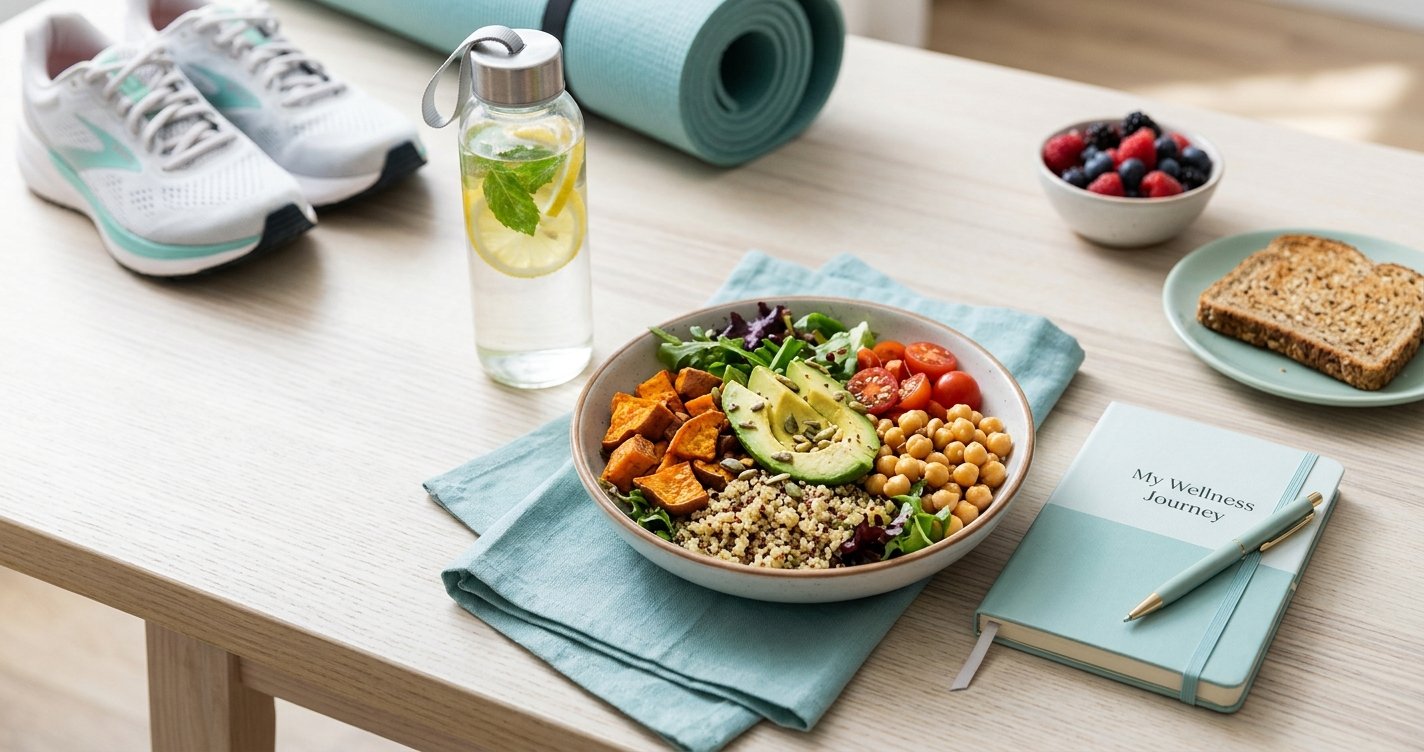
Tired of the Diet Rollercoaster? Discover Sustainable Fat Loss!
You’ve tried it all, haven’t you? The juice cleanses, the no-carb crusades, the 'eat nothing but grapefruit' weeks. And while some extreme diets might deliver rapid initial weight loss, they often come with a hefty price: constant hunger, mood swings, nutrient deficiencies, and ultimately, a rebound effect that leaves you feeling defeated. Sound familiar?
We get it. The world of fat loss can feel overwhelming, filled with contradictory advice and unrealistic promises. But what if we told you there’s a better way? A path to losing fat that doesn't involve starvation, deprivation, or hating your life? This isn't about quick fixes; it's about building lasting habits that lead to sustainable fat loss, improved health, and a happier, more energetic you. Let's ditch the extremism and embrace a balanced, evidence-based approach that actually works in the long run. this excellent wellness product
The Vicious Cycle: Why Extreme Diets Fail (and What to Do Instead)
Crash diets promise the moon, but deliver disappointment. Here’s why they almost always backfire:
- Metabolic Adaptation: When you drastically cut calories, your body thinks it’s starving. It slows down your metabolism to conserve energy, making it harder to lose fat and easier to regain weight once you stop dieting.
- Muscle Loss: Extreme calorie restriction often leads to the breakdown of muscle tissue, not just fat. Muscle is metabolically active, meaning it burns more calories at rest. Losing muscle further slows your metabolism.
- Nutrient Deficiencies: Restrictive diets often cut out entire food groups, leading to a lack of essential vitamins, minerals, and fiber, impacting your energy, mood, and overall health.
- Psychological Toll: Constant hunger, deprivation, and the feeling of 'failing' can lead to disordered eating patterns, binge eating, and a negative relationship with food. It's simply not sustainable for your mental well-being.
- The Rebound Effect: Once you can no longer sustain the extreme diet, you often return to old eating habits, and your slowed metabolism, combined with lost muscle, makes it incredibly easy to regain the lost weight, often more than you started with.
The solution? A gentler, more strategic approach that respects your body and mind.
The Foundation: A Gentle Calorie Deficit (No Starvation Required!)
At its core, fat loss comes down to consuming fewer calories than your body burns – a calorie deficit. But 'fewer' doesn't mean 'starving.' The key is a moderate, sustainable deficit that allows your body to tap into its fat stores for energy without triggering extreme metabolic slowdown or muscle loss.
- Calculate Your Needs: Start by estimating your maintenance calories (the amount you need to stay at your current weight). Many online calculators can help with this.
- Aim for a Moderate Deficit: A good starting point is a deficit of 300-500 calories per day. This is enough to promote gradual fat loss (around 1-2 pounds per week) without feeling overly deprived.
- Listen to Your Body: Some days you might naturally eat a bit less, others a bit more. Focus on the overall trend rather than daily perfection.
This isn't about rigid counting forever, but about building awareness of portion sizes and energy density.
Prioritize Protein: Your Satiety & Muscle Ally
If there's one macronutrient to focus on for fat loss, it's protein. Here's why:
- Satiety Powerhouse: Protein is incredibly filling. Including adequate protein in each meal helps you feel full for longer, reducing cravings and overall calorie intake.
- Muscle Preservation: When you're in a calorie deficit, your body might try to break down muscle for energy. Sufficient protein intake helps protect your precious muscle tissue, ensuring that the weight you lose is primarily fat.
- Thermic Effect of Food (TEF): Protein has a higher TEF than carbs or fats, meaning your body burns more calories digesting and metabolizing protein.
Aim for a protein source in every meal: lean meats, poultry, fish, eggs, dairy, legumes, tofu, tempeh.
Embrace Whole Foods: Fueling Your Body, Not Just Filling It
Forget 'good' and 'bad' foods. Think 'nutrient-dense' vs. 'energy-dense but nutrient-poor.' Focusing on whole, unprocessed foods naturally supports fat loss:
- Fiber Rich: Whole grains, fruits, vegetables, and legumes are packed with fiber, which aids digestion, promotes fullness, and helps stabilize blood sugar.
- Micronutrient Power: These foods provide essential vitamins and minerals crucial for energy production, metabolism, and overall health, preventing the deficiencies common with restrictive diets.
- Naturally Lower in Calories: Generally, whole foods are less calorie-dense than their processed counterparts, allowing you to eat a larger volume of food for fewer calories.
Fill your plate with colorful vegetables, lean proteins, healthy fats, and complex carbohydrates. Small changes, like swapping white bread for whole wheat or adding an extra serving of veggies, make a big difference.
Strength Training: Build a Fat-Burning Engine
Often overlooked in fat loss journeys, strength training is a game-changer. It’s not just for bodybuilders – it’s for everyone wanting a leaner, stronger body.
- Preserve & Build Muscle: As mentioned, muscle is metabolically active. Strength training signals to your body that you need to keep your muscle, even in a calorie deficit, and can even help you build new muscle.
- Boost Your Metabolism: More muscle means a higher resting metabolic rate, meaning you burn more calories even when you're just sitting around.
- Improve Body Composition: You might not see the scale drop dramatically, but strength training will help you reshape your body, making you look and feel firmer and more toned.
Aim for 2-3 full-body strength training sessions per week. You can use weights, resistance bands, or even your own body weight.
The Unsung Heroes: Sleep, Stress, and Hydration
Fat loss isn't just about what you eat and how you move; it's also profoundly influenced by your lifestyle.
- Prioritize Sleep: Lack of sleep messes with your hunger hormones (ghrelin and leptin), making you hungrier and more likely to crave unhealthy foods. Aim for 7-9 hours of quality sleep per night.
- Manage Stress: Chronic stress elevates cortisol levels, which can promote fat storage, especially around the belly. Find healthy ways to manage stress: meditation, yoga, spending time in nature, hobbies.
- Stay Hydrated: Drinking enough water (plain water!) is crucial. Sometimes, your body confuses thirst with hunger. Water also supports metabolic processes and can help you feel fuller.
These 'boring' habits are foundational to sustainable success.
Mindful Eating & Patience: The Long Game
Sustainable fat loss is a marathon, not a sprint. Cultivate patience and practice mindful eating:
- Eat Slowly: Give your body time to register fullness.
- Pay Attention: Notice the flavors, textures, and aromas of your food.
- Recognize Hunger & Fullness Cues: Learn to distinguish between true hunger and emotional eating.
- Be Kind to Yourself: There will be days you overeat or miss a workout. Don't let one slip-up derail your entire journey. Get back on track with your next meal or workout.
Focus on progress, not perfection. Celebrate small victories and remember that every healthy choice adds up.
Your Journey to Sustainable Fat Loss Starts Now!
Ditching the extreme diets doesn't mean giving up on your fat loss goals. It means embracing a smarter, kinder, and ultimately more effective approach. By focusing on a gentle calorie deficit, prioritizing protein and whole foods, incorporating strength training, and nurturing your overall well-being with adequate sleep, stress management, and hydration, you're not just losing fat – you're building a healthier, happier, and more sustainable lifestyle.
Remember, this is your journey. Be patient, be consistent, and most importantly, be kind to yourself. You've got this!